
Gili Selang’s northern reef combines a sandy slope, coral heads and an exposed island edge. The change from sheltered-looking reef to current-swept water is the key distinction.
Coral detail before the exposed edge
AquaMarine describes the northern slope as sand, branching coral and scattered coral heads, with sea fans and sponges deeper down. That gives the dive more variety than a simple search for large fish.
The exposed side has a different character: vertical and swirling currents can occur. A northern start is not an invitation to round the island, and an attractive view ahead is not a reason to leave the planned sector.
A dive chosen around conditions
Gili Selang is best approached as an experienced-diver outing with a local team. The island-wide depth range published by Bali Diving Co is about 5–40 metres; it is not a surveyed range for every northern route. Thermoclines can make the water markedly colder than the surface suggests.
For photography, the useful question is whether the chosen reef section allows comfortable control that day. Macro subjects are only worth stopping for when the group and conditions allow it.
Fish to look for
Six fish groups documented by the local sources below. Illustrations are representative, and a record of a fish does not guarantee an encounter.
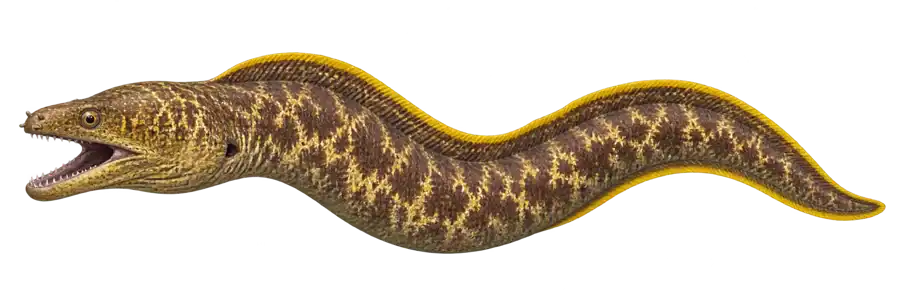
Yellowmargin moray
AquaMarine records yellowmargin morays at Gili Selang. This is an island-level record, not a guarantee for either side.
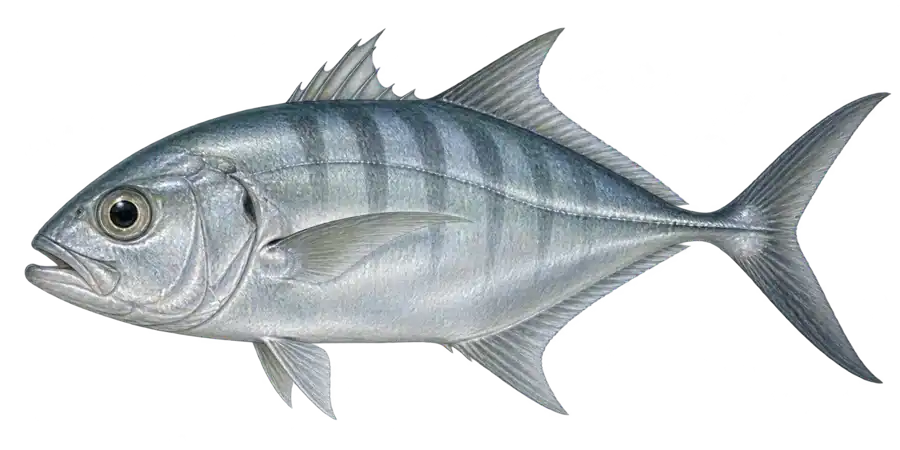
Bigeye trevally
AquaMarine records schooling bigeye trevally around Gili Selang.
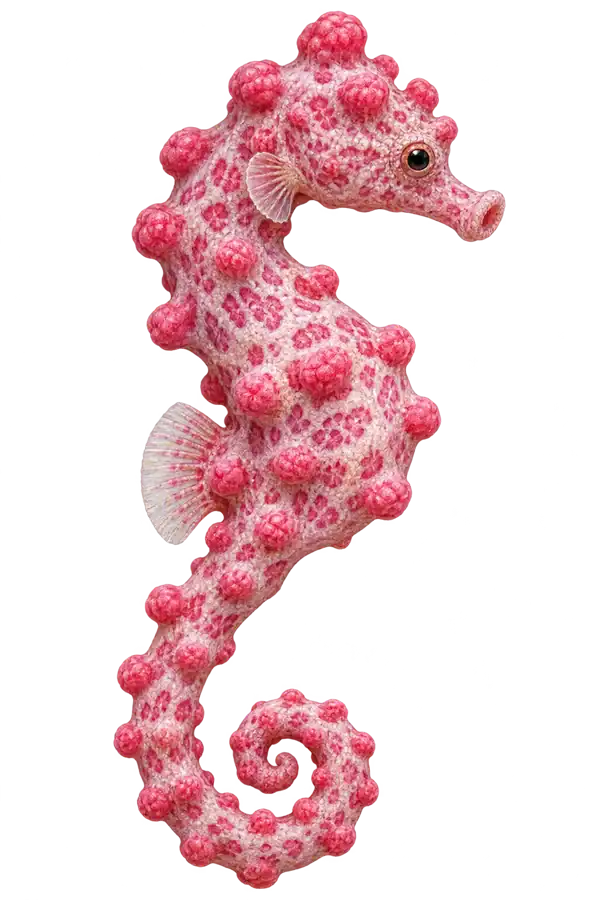
Pygmy seahorses
AquaMarine’s Gili Selang account records this fish group. The illustration represents the group, not a confirmed identification to species or a promise of a sighting.
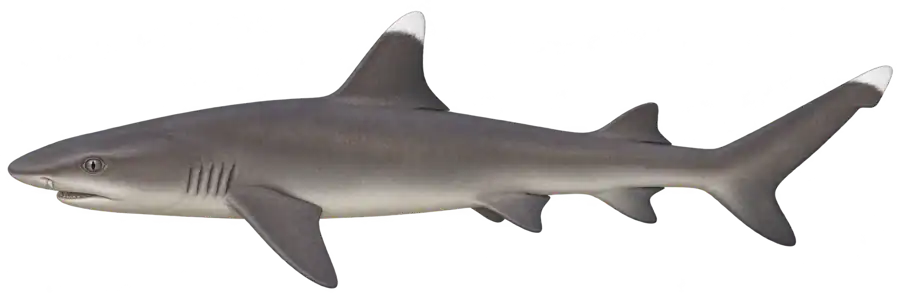
Whitetip reef shark
AquaMarine includes whitetip reef sharks among possible encounters in the more exposed areas.
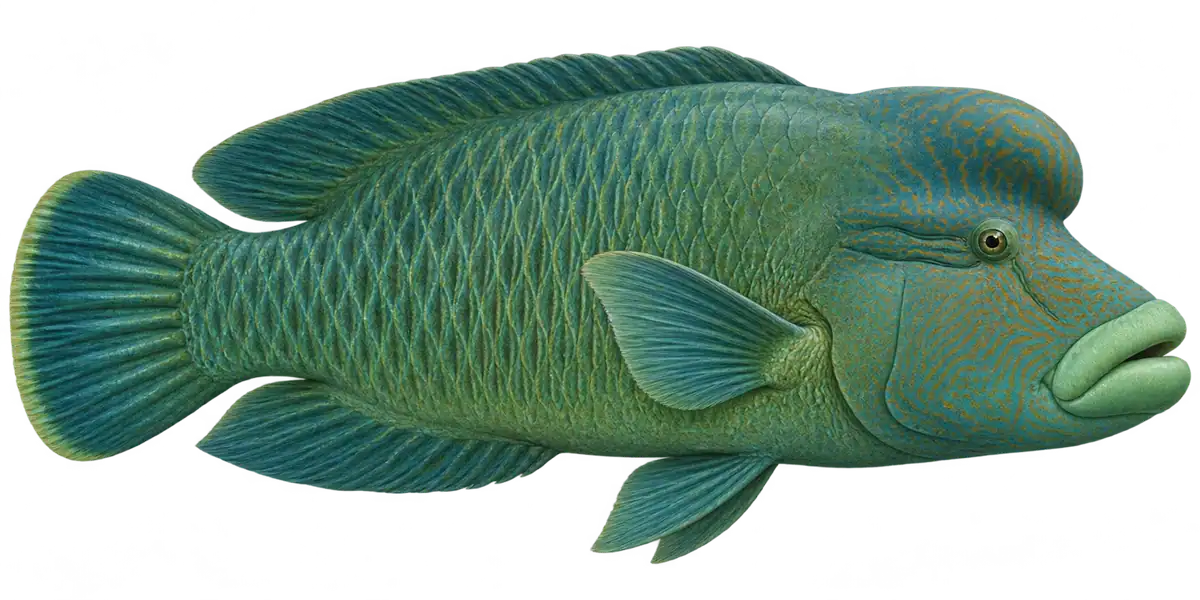
Napoleon wrasse
AquaMarine records Napoleon wrasse at Gili Selang; the record does not assign it to a fixed north or south sector.
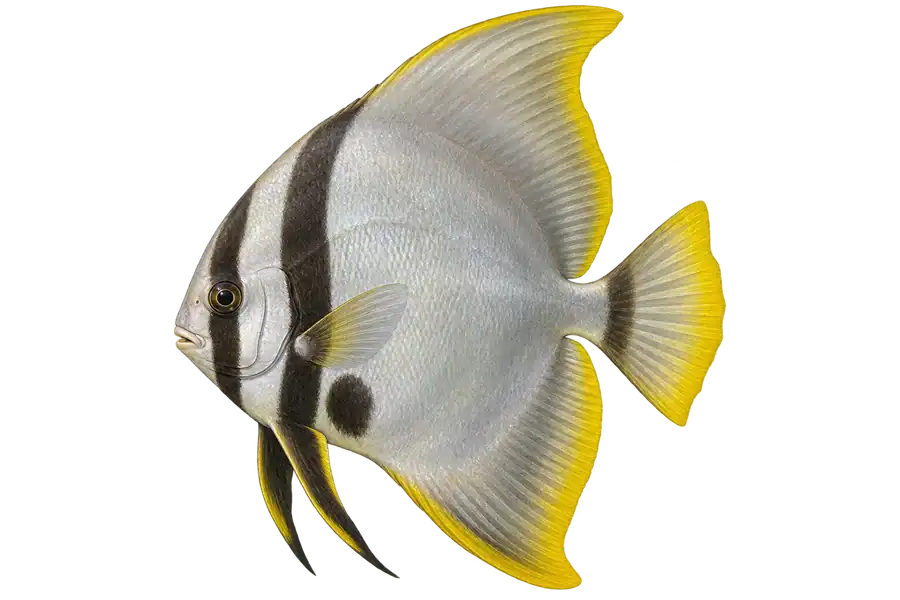
Batfish
AquaMarine’s Gili Selang account records this fish group. The illustration represents the group, not a confirmed identification to species or a promise of a sighting.
Illustration and wildlife notes
AI-assisted illustrations created for Divezone in November 2026. They are not photographs or evidence of sightings. When an operator identifies a fish group rather than an exact species, the accompanying note makes that distinction explicit.
Location and local names
Gili Selang is the small island off Bali’s eastern tip, reached by boat through operators serving Amed and the east coast. North and South are broad sector names; the coastal village of Selang and the exposed island route should not be treated as identical dives.
Planning your dive
Is this a recently discovered site?
No. It is a long-established dive area described by several local operators. Conditions and route selection matter more than an “unexplored” label.
Are hammerhead sharks a reason to book?
This guide does not promise hammerheads. The fish cards use documented operator records and are still only possibilities.
Can the boat circle the island underwater?
A complete circuit is not assumed. The day’s current, group and guide’s plan determine the chosen sector and pickup.
Share the details of your visit
Your visit date, the section you dived and the entry conditions help other divers understand the experience.
Sources and credits
Checked 17 November 2026: AquaMarine: northern slope and island wildlife; Bali Diving Co: Gili Selang conditions. Historical wildlife observations are not promises of current sightings.
You can dive Gili Selang North all year long. Access: Boat. See the map of Gili Selang North on the right for the exact location.
Fishes you may spot while diving Gili Selang North
-
 Bumphead Parrotfish
-
 Hammerhead Shark
-
 Mackerel
-
 Moray Eel
-
 Whitetip Shark
... and more fishes & sea life, Dogtooth Tuna, Grey Reef Shark, Jack, Large Eel

Photos
-
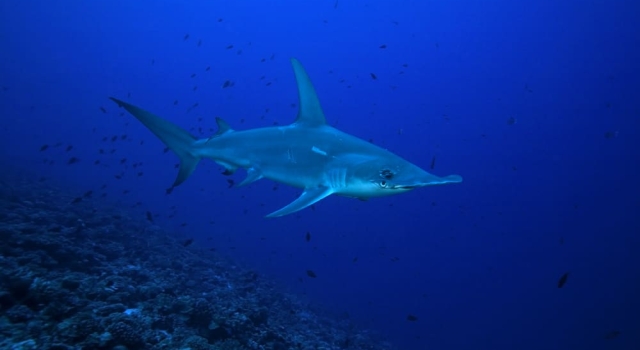 Huge Hammerhead Shark patrolling the reef in French PolynesiaPhoto by Yann Hubert
-
 LeopardPhoto by Jihye Lee
-
 Blacktip Sharks Ray And MorePhoto by Matthieu Billaud
-
 Huge Turtle resting on the sea floorPhoto by Rich Guest
-
 Moray Eel IndonesiaPhoto by Jihye Lee
-
 Huge Monster WhalePhoto by Matthieu Billaud
-
 Diver Blacktip SharksPhoto by Matthieu Billaud
-
 Lion FishPhoto by Jihye Lee
-
 Moray Eel Lembeh StraitPhoto by Jihye Lee
-
 Bigeye fish In ReefPhoto by Matthieu Billaud
Diving Reviews for this region

Candidasa
Candidasa’s offshore islets offer dramatic walls, schooling fish and reef-shark encounters, with seasonal sunfish possibilities. Strong, changeable currents make Tepekong, Mimpang and Biaha outings for suitably experienced divers and careful local planning.
ganz gleich ob aus Nordwest oder Südöst – ich habe zurzeit meine Eie-psrsuchsVhase und das wird ausprobiert, gefällt mir sehr gut und Deine Fotos sind mal wieder sehr gelungen