If you have dived in Yucatán, Mexico before, please share your experiences: Dive spots you would recommend, which Dive Center you used, Fishes & Diving, Visibility, Currents, etc. Please post your comments in the section below, by doing so you will help fellow divers to plan their next trip


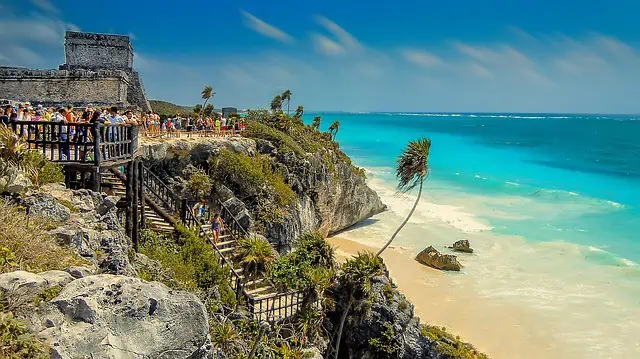
Cancún, Cozumel, and the Mayan Rivera are well known destinations to those who love the sun and sea. The Beaches, resorts and nightlife of Mexico are world renowned. The truth of it is that it was the scuba divers who first came here to the wonderful reefs and the inland cenotes.
Their love of the Mexican land and sea started the tourism industry that now attracts over five million people a year. While scuba diving is now just one of the activities available to the tourist, divers come from all over the world just to dive here.
There is diving for all skill levels. Discover divers and snorkelers have a wide range of dive sites to choose from. Novice divers and those just becoming certified will have amazing dives. Drift divers and deep divers have walls they will always remember.
In this page you will find more detailed information about scuba diving in Yucatán, Mexico.
Table of contents
Best Dive Review
If you look at “best dive site” lists that are all over the web, you will very likely find at least one dive site from the Yucatán Peninsula. The only type of warm water diving you will not find here is from a liveaboard.
The video below briefly shows why Mexico is among the leading dive destinations:
We’ve summed up the best diving sites of Mexico’s Yucatan peninsula right here:
-
- MUSA (Museo Subacuático de Arte) was formed in the waters surrounding Cancun, Isla Mujeres and Punta. MUSA consists of over 500 permanent life-sized and monumental sculptures and is one of the largest and most ambitious underwater artificial art attractions in the world. Cancun is one o the most popular dive destinations in the world. The pressure on the reef with so many divers was causing harm to it. MUSA was created on an area of sand near the reef. Sections of the museum are designed for scuba divers while other sections are also great for snorkelers and viewers from glass bottom boats.
- Santa Rosa Wall is a Cozumel dive site. Many consider it the signature dive of Cozumel. Santa Rosa is a reef that is about 50 feet deep. Off the edge of the reef is a steep wall that drops beyond recreational dive limits. The wall generally has a mild current that make for an excellent slow drift dive. However, this site is generally not suitable for novice divers as the currents can change without notice and can be very strong.
- Paradise Reef off Cozumel. This reef is just within the marine park and is close to where the cruise ships dock. Depths range from just 25 feet to 40 feet and is a great site for novice divers and training. It is three coral ridges with a sandy bottom between them. Marine life is lively and divest. It is also a leading snorkeling site since currents are none to mild and visibility is great. Night divers consider this one of the best sites.
- Gran Cenote nearTulum Riviera Maya Mexico. If you only dive one cenote, this one should be high on your list. Easy to get to it offers opportunities to swim, snorkel, scuba dive and cavern diving.
- Bull Shark Point Playa Del Carmen: Playa Del Carmen has become know for bull shark diving. Bull sharks may be the most dangerous of the shark species. They account for most of the shark attacks and can be found in both fresh and salt waters. Still, with precautions it is safe to dive with them. Each year from November to March pregnant females come here to give birth. Divers are able to see perhaps dozens of these apex creatures. To some these dives are controversial, and some dive operators may act in manners that are not in the best interest of everyone including the divers and sharks. Please consider the guidelines from saving our sharks.

How to dive Yucatán, Mexico?

You have many options deciding how you want to dive the Yucatán. Sadly, liveaboard diving is not one of them. While liveaboard diving is popular in Mexico pacific coast, Baja California, resort and dive center based diving is what you will find in Cancún, Cozumel, and the Mayan Rivera.
Cancún is mostly inclusive resorts and high rise condos. Cozumel is more laid back with many smaller resorts and inns.
The Mayan Rivera sees a mix of both but also tends to the larger resorts. While Cozumel does have a few cenotes, the best cenotes are on the Yucatán Peninsula.
However, if wall diving and drift diving is your thing then Cozumel may be the better choice. All locations offer outstanding above water activities and nightlife.

Best time to dive in Yucatán, Mexico
The travel tips section gives the best time to visit for general tourism. Part of the information found there is:
- March is one of the most popular times to visit the area, however, much of that popularity is because it is college spring break. Families may want to avoid the wildness that unsupervised teenagers might enjoy.
- December through February are the most popular months for general tourist. People taking a break from the harsh winters of Canada, parts of the US and northern Europe.
- July is popular with families, as children are out of school.
- September through November are the three least favorite months these are during the rainy season and it is also the Caribbean hurricane season.
- May and June are often best for those looking for a value but do not want to risk the rainy season.
If scuba diving is your reason for going consider that:
- Whale sharks are common from June to September
- Bull shark season is November to March
- Visibility and water temperatures vary little year round.
- Cenote diving does not have rough boat rides.

Top liveaboards in Mexico according to divers reviews
Dive courses
The Caribbean Sea off Mexico’s coast is a great place to learn how to dive. Most of the resorts have an affiliation with a dive operator and you can often do your classroom and confined water training at your resort.
Discover diving is also very popular. For those who are already certified, the cenotes are great for taking a cavern diver course. Advance Open Water Diver training allows you to explore some of the deeper dive sites if you are not already a AOW diver. Deep and drift diver training is also very popular.
Scuba Diving conditions
For open-ocean dives off the Riviera Maya, visibility can range from 12 meters/40 feet in the winter to 27 meters/90 feet in the summer.
The further from shore you are the less the difference between seasons.
The dive sites off Cozumel generally offer 100+ feet of visibility year round.
Visibility in the cenotes and caverns is only limited by the quality of your vision. Water temperatures average 25-28° C/77-82° F in winter and 27-29° C/81-85° F in summer.
Snorkelling in Yucatán, Mexico

The crystal clear warm water and shallow reefs make this a perfect place for snorkeling. Additionally many of the cenotes are also excellent for snorkeling.
Fishes and Coral
Scuba Divers can expect to see a full range of reef marine life as they dive in the waters of the Yucatán Peninsula. Marine turtles are common on most sites.
Dolphins are known for following boat traffic and are also seen while diving. Wall divers will also see their share of sharks and rays.
Diving Safety
If you are planning an upcoming dive trip or travelling to Yucatán, Mexico, it is a really good idea to invest in travel insurance for scuba diving, because you never know what could happen and when you might need it (because accidents do happen!). I recommend this diving insurance as they offer worldwide coverage and focus on providing scuba divers a quality insurance and medical assistance service.
The Yucatán Peninsula has been drawing divers since the early days of recreational scuba diving. The reason divers came then has not changed that much to now. While now a tourism destination with a broad appeal, scuba diving is still a mainstay of the tourism industry.
Photos Yucatán, Mexico
Travel Guide
Now that you know all about the underwater world, you might want to start planning your scuba holiday! Check out our Yucatán, Mexico Travel Review for information about how to get there, activities and excursions, where to stay, and more.

Diving Reviews for this region

Mexico
Mexico offers divers choices, Great liveaboards and large marine life encounters in the west, great reefs and cenotes in the east

Baja California, Mexico
The Baja offers outstanding diving and is one of the best shark diving destinations for liveaboards.
Dive spots reviews in Mexico
Liveaboard Reviews in Mexico
Nautilus Under Sea
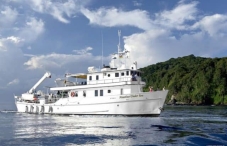
The 27 meters Nautilus Under Sea is a liveaboard sailing to the Guadalupe and Socorro Islands of Mexico. The dive boat is part of the Nautilus fleet and operates shark cage diving as well as regular scuba diving operations. Formerly known as the Under
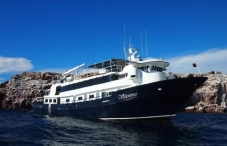
MV Valentina
In between Mexico’s rugged west coast the sunny shores of the Baja Peninsula – stretching 1000 miles south from Tijuana – lies the Sea of Cortez. Now a World Heritage Site, the Scuba diving here can be spectacular and challenging. Conditions variable.
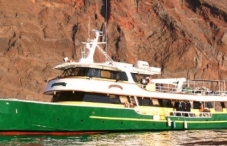
MV Solmar V
The vessel MV Solmar V is one of the long established and more famous of the liveaboards operating on the Revillagigedos Archipelago (often known as the Socorro Islands), the Sea of Cortez and Guadalupe Island. These rocky, volcanic oceans are developi
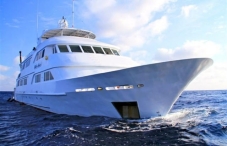
MV Nautilus Belle Amie
MV Nautilus Belle Amie is one most spacious, luxurious and well-maintained liveaboards operating in the area. Nautilus Belle Amie liveaboard cruises the Revillagigedos Archipelago (often known as the Socorro Islands), the Sea of Cortez and Guada
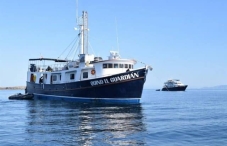
Quino El Guardian
The 25 meters liveaboard Quino El Guardian is taking divers to the pacific Mexico’s best scuba diving! Indeed, with the choices of the Socorro Islands, the Sea of Cortez and the Baja California, it sure won’t disappoint. Custom built in 1980, the Quino
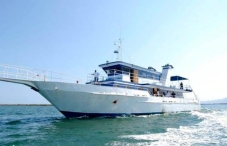
Narval
The 35 meters Narval is a liveaboard operating on the Sea of Cortez, Mexico. Built in 1974, the Narval went through major renovation in 1992 and again in 2008, keeping up with the industry standards. The dive vessel is mostly available to be chartered
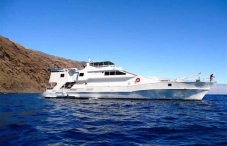
Southern Sport
The Southern Sport is a liveaboard operating in Mexico, precisely around the Guadalupe and Socorro Islands. The 35 meters vessel was renovated last in 2014 and is upgraded annually in order to maintain standards and great comfort level. . Boat Cabins
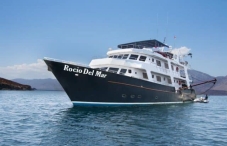
Rocio Del Mar
Rocio del Mar is a 27 meters liveaboard offering scuba diving cruises to the Pacific side of Mexico. Indeed, with itineraries including the Soccoro Islands, Baja California and the Sea of Cortes, the Rocio del Mar is sure to impress. . Boat Cabins
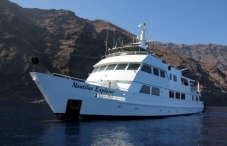
Nautilus Explorer
The Nautilus Explorer liveaboard was built and launched in Vancouver in 2000. This ship was custom-designed for Scuba divers to the highest possible level of comfort and safety with a layout that utilizes every square foot of available space. https://y
MV Sea Escape
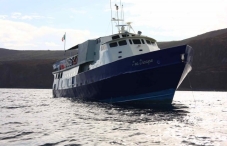
The MV Sea Escape is a 33m aluminum mono-hulled liveaboard, which operates diving tours around the best of Mexico’s Pacific Diving Sites. It was built originally as a supply boat for the oil fields in the Gulf of Mexico. Later, she was converted into a
Hi, we are a couple of 50 years in very good physical shape me 600 dives + Nitrox PADI advance
She has more than 200 dives certified PADI advance + Nitrox
We have a lot of experience in management and coordination of operation and we are looking to change careers to go to the world of diving
We speak French, English and we could easily learn Spanish
We are interested to do the training to become dive master and or dive instructor (DIVE MASTER FOR HER- DIVE INSTRUTOR FOR ME)
I would like to know, is it possible to work as dive master and or dive instructor and even in management or administration in the world of diving at 50 years
thank you
Hi Marc! We replied to you by e-mail and on the french website Blog Plongée. Our best advice is still to look on our Job board to find a position that is interesting for you and your partner, either like a divemaster internship or an office position. You can also upload your resume so dive centers and employers will view it.
Here’s the link to Divezone’s job board: https://divezone.net/jobs
Wishing you success in reaching your new career goals!
Best bubbles, always!
ps. I’ll delete the other comment on this site.
I’m a tech and cave diver and always train with LINK REMOVED the beaches in Mexico are amazing but the se ma diving isn’t as impressive as other places, BUT mexico and especially tulum have a secret.
Cenotes, the biggest underwater cave system in the world, more than 2000km of underwater caves cover the Yucatan peninsular, and especially around Tulum and Playa del Carmen, it’s the best place to dive in the world.
100m plus visibility in fresh water, the caves are opening up to large caverns where divers of all skills can dive, as long as you can see sunlight, that’s the main rule.
However I got addicted to the cave diving of mexico, and went and became a certified cave diver and dive master in tulum.
Koox diving have a few open positions in their website for dive masters who want to get cave diving certification.
Not only is tulum the hippest place in Mexico it’s also the best place In the world to learn cave dive.
I spent a little over a week towards the end of 2020 diving out of Puerto Morelos with Sun And Sea Adventures. We dove the entire region including Cozumel, up and down the coast and inland at multiple cenotes. The experience was so good that I went back for another week over New Years. There is such a diversity of diving in the region and with so many options the weather doesn’t ever keep you from going.
I’m a scuba instructor from Las Vegas and we bring our dive groups to Cozumel 2 times per year. Visibility is 100 feet year round and during the months Dec-April is Eagle Ray Season.
Our absolute favorite dive operator is Blue Note Scuba Cozumel. Safety, fun and eco friendly diving are the top priorities. Their fast boat can take our group up to 12 divers, has shade and one of the few with a bathroom on board.
bluenotescuba.com
We always add a day in the Cenotes and use Ronnies Dive Zone in Tulum.
We had a great time diving in Yucatán, especially around Cancun and the Riviera Maya. The visibility was excellent, the water was warm, and we experienced a great variety of marine life, including turtles, rays, moray eels, lobsters and plenty of tropical fish.
One of the highlights was experiencing the contrast between Caribbean reef diving and the Cenotes. The Cenotes were incredibly clear and completely different from the ocean dives, with beautiful formations and light beams.
We highly recommend diving with Scuba Total Cancun.https://www.scubatotal.com/ . They are a small, family-run dive center with a very personal approach, small groups and great attention to safety and comfort. They also organize Cozumel trips, wreck and reef dives, Cenote diving and seasonal shark experiences.
Definitely a destination worth adding to any diver’s Mexico trip!