

Abu Dabbab beneath the surface
Six photographs from 2007 and 2012 show the shore and underwater life of Abu Dabbab bay, also recorded as Marsa Murena. These are photographs of the coastal bay, not the offshore Abu Dabbab reefs. These dated views do not establish present conditions or promise particular wildlife sightings.


Abu Dabbab Bay: seagrass, turtles and shore access
Abu Dabbab is a sandy bay north of Marsa Alam, with seagrass between coral reefs on its two sides. The combination makes it an appealing place for shore diving and snorkelling, particularly for visitors interested in green turtles and the habitat used by dugongs.
This guide concerns the beach and bay, not all the numbered Abu Dabbab offshore reefs. A boat excursion advertised as “Abu Dabbab” may visit a different reef, so check exactly what is included.
Meet the reef
Abu Dabbab: illustrated 3D overview
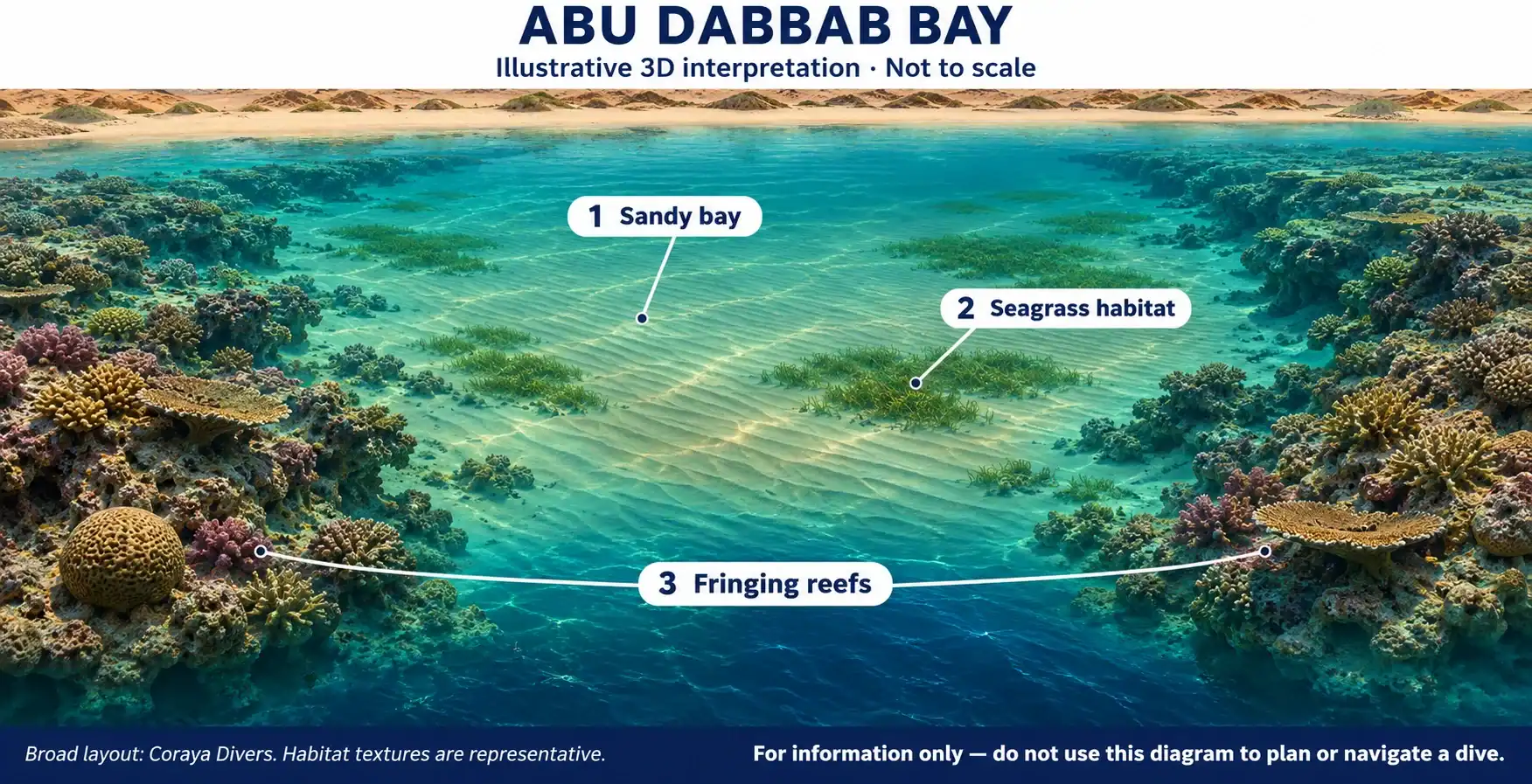
The sandy beach leads into a bay with seagrass in its central area and coral reefs along its sides. Habitat boundaries and relief are illustrative.
For information only — do not use this diagram to plan or navigate a dive. It does not replace the licensed operator’s current briefing.
Reference: Coraya Divers bay plan. The source informs the broad features; the artwork is not a measured survey.
Understanding the bay
The numbered landmarks help explain the broad shape of the site. They do not describe a dive route.
- Reef shoulders border the sandy central area.
- Seagrass forms an important habitat within the bay.
- The sandy shore lies along the western side.
For information only — do not use this diagram to plan or navigate a dive.
Original Divezone illustration based on Coraya Divers bay profile. The operator profile is undated; inspected 4 November 2026. Relief and habitat extent are approximate. No animal locations or access route are plotted.
Wildlife: enjoy the habitat without a guarantee
Wildlife sightings are never guaranteed. These representative AI-assisted illustrations show the animals discussed here; they are not photographs taken at the site.
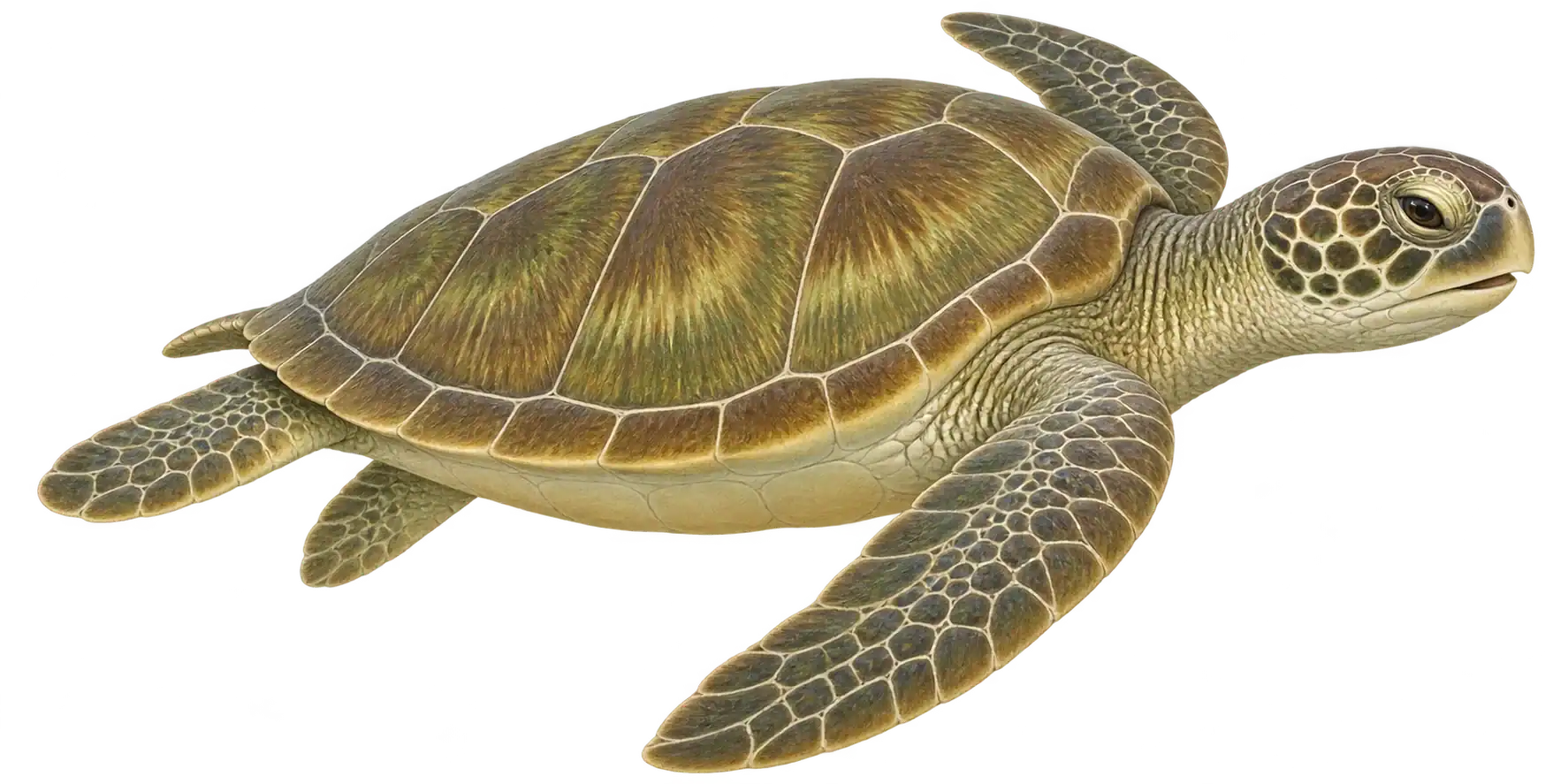
Green sea turtles
The beach operator maintains a turtle-identification programme. Watch feeding turtles quietly and leave an unobstructed route to the surface. Never touch, pursue, surround or feed them; keep fins clear of seagrass and coral. Being accustomed to visitors is not permission for a close-contact photograph.
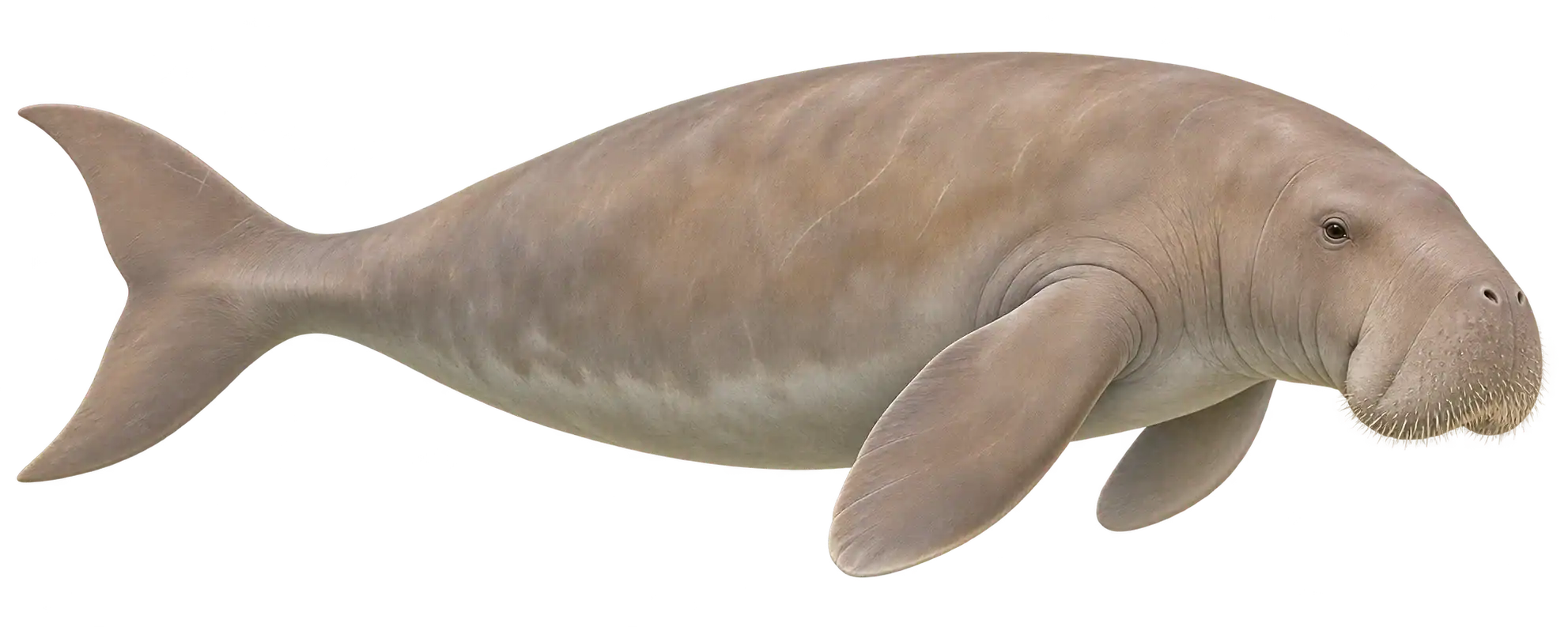
Dugongs
HEPCA identifies the bay’s extensive seagrass as important dugong habitat. This is a reason to protect the habitat, not a promise that a dugong will be present. Enjoy the seagrass even when no dugong appears.
The sand and reef edges also reward a slower look for smaller life. Historical Divezone accounts mention pipefish, seahorses and other unusual macro subjects; these are past observations rather than an up-to-date species checklist or an expectation for every visit.
Sources: HEPCA and Abu Dabbab Beach; checked 24 October 2026.
Depth, visibility and suitability
The bay slopes gradually, with commonly described recreational profiles reaching roughly 18 metres. The actual depth depends on the chosen part of the bay and the briefing. It is a different setting from exposed Elphinstone, but “no current” and “always easy” are not reliable descriptions of any sea dive.
Wind, surface chop and disturbed sand can affect entry and visibility. Visibility can differ substantially between visits. Crowding also changes the experience: leave space around other groups and avoid stirring up the bottom to follow an animal.
A suitable guided shore dive may work for a newly qualified diver, subject to the operator’s assessment and conditions. A snorkeller still needs a plan appropriate to swimming ability, supervision and the day’s sea state. Confirm the designated entry and exit rather than walking over a reef edge.
Getting there and beach access
Abu Dabbab is in the Marsa Alam coastal region, approximately 30 kilometres north of the town. Beach entry is managed, and organised excursions or local transfers are available. Confirm whether your hotel has access arrangements or whether you need a separate pass.
The beach’s current booking system offers different packages. Its FAQ states that prices depend on date, age and package, include taxes and are final when booked. Do not compare an entrance-only pass with a guided outing that includes equipment, lunch or a boat excursion.
A concrete non-diver budget example
Blue Ocean listed its Abu Dabbab Beach Day-Use programme at €65 per adult, checked on 24 October 2026. The published inclusions are beach entrance, sun lounger and umbrella, buffet lunch with soft drinks during lunch, snorkelling equipment and a one-hour guided speedboat trip to coral reefs. Scuba sessions and diving equipment are excluded.
The same page lists hotel transfers separately: €7 per person within 30 kilometres, minimum two participants, or €10 farther away, minimum two. That makes the advertised package plus those local transfer options €72 or €75 per adult respectively. A Hurghada transfer is listed at €30 per person with a minimum of three, giving €95 with the package. Confirm applicability to your hotel, date and group before payment.
This is one operator’s published package, not the universal entrance price. It includes a boat component; a beach-only visitor or someone wanting a fully guided shore-snorkelling day should choose the corresponding package and check its specific inclusions. Neither the fare nor a scheduled wildlife search guarantees turtles or dugongs.
Underwater video
The existing film, Nurkowanie Abu Dabab, shows an earlier visit. Visibility and wildlife behaviour on the day may differ; any close approach in older footage is not guidance for interacting with animals.
Bay location
The map uses the rounded geographic reference 25°20′ N, 34°45′ E for Marsa Abu Dabbab. It identifies the coastal area rather than an exact entrance. Follow the beach operator’s directions for arrival; the marker is not a wildlife position or a navigation instruction.
Open a larger area map on OpenStreetMap ↗
Abu Dabbab questions
Will I definitely see a dugong?
No. The seagrass is important dugong habitat, but animals move and an encounter cannot be guaranteed. Enjoy the bay and reef without depending on one sighting.
Can I touch or swim very close to a turtle?
Do not touch, chase or surround it. Leave room for feeding and surfacing and follow the local wildlife briefing, including when taking photographs.
Is it a shore dive?
The bay has shore access. Numbered offshore reefs also use the Abu Dabbab name, so confirm whether your booking is for the beach, bay or a boat trip.
Is the water always calm and clear?
No. Wind, surface conditions, sand disturbance and visitor numbers can affect the experience. The operator should assess the day’s suitability.
Is €65 the entrance fee?
No. It is the Blue Ocean Day-Use package described above, including equipment, lunch and a guided speedboat component. Entrance-only and other packages have different terms.
What is the example total with a local hotel transfer?
The published €65 package plus the listed local transfer gives €72 within 30 kilometres or €75 farther away, per adult with at least two participants. Confirm your hotel and date before booking.
Is this suitable for non-divers?
Yes, the beach and dedicated snorkelling programmes provide options. Choose the appropriate package, supervision and equipment for your ability and the conditions.
Sources
Checked 24 October 2026: HEPCA dugong habitat; Beach operator marine-life programme; Beach packages and terms; Beach arrival information; Blue Ocean day-use price and inclusions; Bay depth and rounded location reference; Dugong conservation guidance.
Share your visit date, conditions and useful advice for other divers.
You can dive Abu Dabbab all year long. Access: from the Shore. See the map of Abu Dabbab on the right for the exact location.
Fishes you may spot while diving Abu Dabbab
... and more fishes & sea life, Dugong, Green Sea Turtle

Photos
-
 Clown fishes waiting in front of their blue anemone housePhoto by Jihye Lee
-
 Blacktip Shark patrolling the crystal clear water... EPIC photo!Photo by Yann Hubert
-
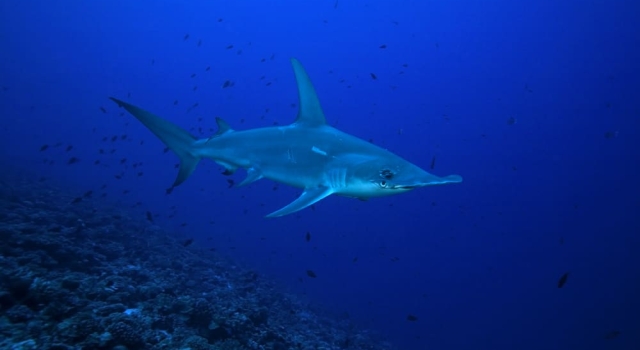 Huge Hammerhead Shark patrolling the reef in French PolynesiaPhoto by Yann Hubert
-
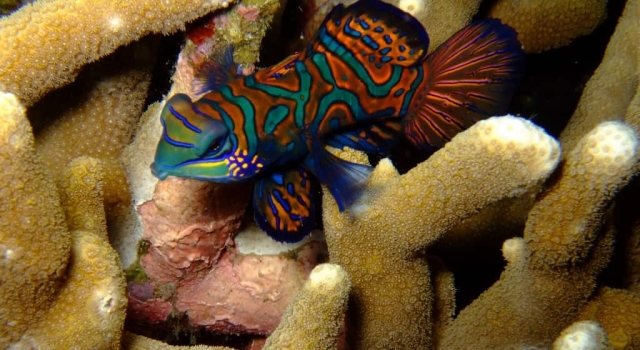 Beautiful & Colorful Mandarin FishPhoto by Rich Guest
-
 Yellow Seahorse in Lembeh StraitPhoto by Agnes Tjandranegara
-
 Lion Fish swimming in crystal clear waterPhoto by Agnes Tjandranegara
-
 Surreal LifePhoto by Jihye Lee
-
 White NudibranchPhoto by Rich Guest
-
 Busy With FishesPhoto by Matthieu Billaud
-
 Orange Frog Fish surprised in the reefPhoto by Rich Guest
Diving Reviews for this region

Marsa Alam
Marsa Alam combines shore-access bays such as Abu Dabbab with boat trips to offshore reefs including Elphinstone. Choose the base and dive profile to suit your experience; wildlife sightings vary.
Liveaboard Reviews in Marsa Alam
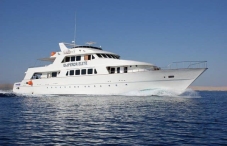
MY Emperor Elite
Emperor Elite offers a broad Red Sea programme, from northern wrecks to the southern reefs and offshore walls. Its thirteen-cabin layout includes conventional twins and two substantially larger suites, making it useful for couples who want a double bed

MV Seawolf Dominator
A shaded dive deck, room to relax outside and a choice of northern and southern programmes make Dominator an appealing base for a week devoted to diving. Choose the route first: a Tiran week and a marine-park week ask different things of a diver.
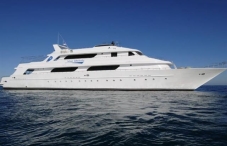
MV Blue Melody
Blue Melody suits divers who enjoy the rhythm of a shared diving holiday: breakfast after the first dive, a long conversation over lunch, then time outside before the next briefing. The outdoor bistro and shaded seating are part of the attraction, with
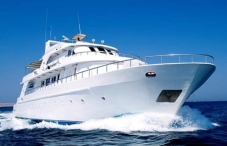
MV Miss Nouran
No dated departure was available online for the earlier MV Miss Nouran when checked on 5 November 2026. This boat is distinct from Glorious Miss Nouran. Its original review described twin cabins, two sun decks and a southern Red Sea programme; the conf
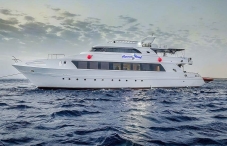
Hammerhead I
Hammerhead I combines a 20-guest capacity with broad dining-room windows and open-air lounging spaces. Her ten en-suite cabins make this 32-metre Egyptian liveaboard worth considering if you prefer a smaller group than on the fleet’s larger Hammerhead
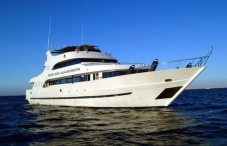
MV Red Sea Aggressor I — Historical Boat Profile
The original Red Sea Aggressor is no longer operating. The vessel was lost following a fire off Port Ghalib on 1 November 2019, in which one passenger died. This page preserves its cabin photographs, life aboard and former Egyptian itineraries. It is n
MV Red Sea Aggressor I — Historical Boat Profile Liveaboard Review
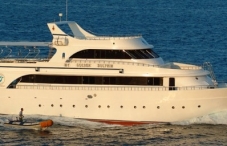
MY Golden Dolphin
Photos: Golden Dolphin I gallery supplied through LiveAboard.com.
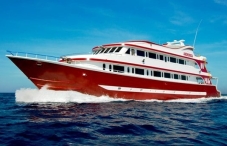
MY Andromeda
Andromeda is a 40-metre Red Sea liveaboard with thirteen cabins for twenty-six guests. The operator lists ten twins, two double-bed cabins and one Honeymoon suite, with an indoor salon, shaded outdoor seating and a large dive deck.
MY Cassiopeia
This is an archive of the older Cassiopeia’s Red Sea operations. LiveAboard.com now lists Cassiopeia under Mexico and identifies its former Socorro Aggressor name. The listing has no online availability when checked on 2 November 2026.
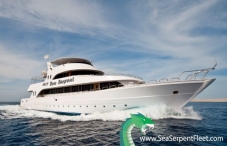
MY Sea Serpent
Sea Serpent is the fleet's 34-metre boat, with eleven cabins for twenty-two divers. It offers a practical choice between lower-deck twins, an upper-deck twin and upper-deck doubles, with a dated programme covering northern wrecks, offshore marine
I was in Marsa Alam in May 2006 only for snorkeling. Good visibility but not very warm water; for me was sufficient a 2 mm shorty.
I stayed in Karamana resort (very good) but for all the week long there was a terrible wind with very very bad sea. Fortunately I prevented this booking Karamana that is 10 min. bus (free of charge) from Abu Dabab and this place had for all the week the north side with very calm waters and south side terribly beaten by the waves. Fantastic snorkeling along the shallow waters reef! I want to return to this place.