
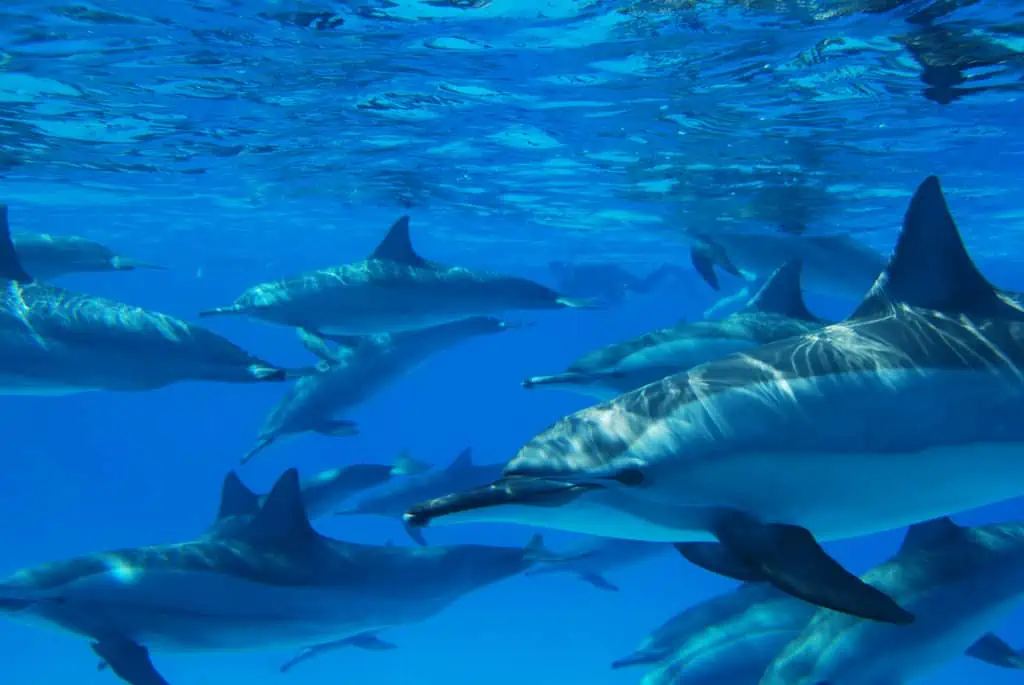

If you have been to Red Sea before, please share your experiences, ideas and feedback (Hotel, Excursions, General Feeling,…) in the comments section below, by doing so you will help fellow travellers to plan their next trip

In Dahab you can spend the morning diving from shore and the afternoon in town. A week on a boat from Hurghada has a different rhythm altogether. Pick the kind of day you want, then match your flights to your base or boarding port. Walk back from a shore dive and settle into a waterfront café. A good fit if you like evenings in town and room to set your own pace. Head out with a day boat to explore Sinai reefs, then return to your hotel. Sharm suits travellers who want organised outings and a resort evening. Stay ashore for day trips, or join a liveaboard from the marina on your booking. A practical choice if you want to compare both holidays before buying flights. At a diving camp, the reef can shape the whole day. Choose by the shore entry and the house reef you want to dive, then check how far the camp is from the airport. South Sinai · Fly into Sharm El Sheikh (SSH) for Sharm stays and sailings, or continue by road to Dahab. Mainland coast · Hurghada (HRG) serves Hurghada and Safaga. Marsa Alam (RMF) is close to Port Ghalib, while Marsa Alam town lies farther south. Map markers show port areas. Your booking gives the exact meeting point. The main international airports for Egyptian Red Sea holidays are Sharm El Sheikh, Hurghada and Marsa Alam. Match your flight to the hotel or the boat’s written boarding instructions. Confirm the airline’s actual operating schedule, baggage allowance and transfer arrangements for your dates. A cruise may return to a different port. Obtain both ports, the check-in window, the final dive time and any last-night hotel arrangement before committing to flights. Flights and transfers are included only when the booking explicitly says so. Ask whether extras are charged per person, per day, per dive or per trip, and in which currency. A starting fare alone cannot tell you the total. The official Egyptian e-Visa portal lists a tourist single-entry fee of US$30 and a multiple-entry fee of US$65, checked 24 October 2026. Eligibility depends on nationality. Its requirements include a passport valid for at least six months from arrival, the e-Visa printout, itinerary and accommodation details. Use the official Egyptian portal or the relevant consulate for your circumstances. For full British-citizen passports, FCDO entry guidance describes a physical visa on arrival costing US$30 and allowing up to 30 days. It also describes a free Sharm airport entry stamp for qualifying resort stays shorter than 15 days in Sharm El Sheikh, Dahab, Nuweiba or Taba. This limited permission is not a substitute for a visa for a wider Egyptian itinerary. Confirm the documents needed for every boat route, particularly excursions beyond the permitted area. Other nationalities must check their own eligibility.Where should you stay on Egypt’s Red Sea?
Dahab
Shore diving and café breaks
Sharm El Sheikh
Boat days in South Sinai
Hurghada
A hotel base or a week at sea

Marsa Alam
A stay by the house reef
Airports, coastal bases and boarding ports
Before you book
Which airport and transfer fit my trip?
What belongs in my holiday budget?
Which entry documents cover my itinerary?
In this page you will find practical information to plan a scuba diving trip to Red Sea:
Table of contents
Where to stay?
I usually use this website to book in advance my hotels in Red Sea as they usually have the lowest rates I find. I like it because it's free to cancel and change the dates.
Choose accommodation around the daily routine you want. Sharm El Sheikh and Hurghada suit a hotel stay with organised boat outings; Dahab gives a different shore-diving rhythm. Along the Marsa Alam coast, ask about the actual house reef, entry point and distance from the airport rather than assuming everything is near town.
Resorts, smaller accommodation and diving camps are alternatives to a package holiday. Compare the room category, meal plan, reef access, dive-centre arrangements and transfers separately. A liveaboard replaces those daily hotel-to-boat journeys with a fixed offshore programme, but leaves less freedom for non-diving activities.
See the holiday budget checklist
Activities and excursions in Red Sea
Travelling with a non-diver?
A land-based stay usually gives a mixed party more flexibility than an offshore dive safari: one person can dive while the other chooses suitable snorkelling or stays ashore. Red Sea Diving Safari publishes separate accommodation and snorkelling options at Wadi Lahami. Its winter 2026–27 non-resident tariff gives a double-occupancy Royal Tent at €63 per person per night in January–February and €74 in the other months within the 1 November–30 April tariff period, full board with specified standard drinks. A €5 environmental fee applies per person per stay; transfers, excursions and certain drinks cost extra.
The same tariff lists inshore snorkelling with divers at €17 and offshore snorkelling with divers at €44; park/entry charges may apply. Ask what each activity rate covers, equipment, guiding, age and swimming requirements, and the day’s sea conditions. These are separately priced activities, not an automatic discount from a diver’s package. See the operator tariff and conditions.
For a liveaboard, obtain written acceptance and a non-diver quote for the exact vessel, cabin and departure. A sun deck does not establish permission to board or a suitable snorkelling programme. Offshore reef routes can mean extended time aboard, with no scheduled shore visit or dedicated snorkelling guide; ask what is actually included.
You can combine diving with cultural visits in the Nile Valley, but those deserve their own travel days. Abu Simbel, pictured below, is not a local Red Sea beach excursion.


Best time to visit Red Sea
Diving operates year-round, but winter and summer feel different ashore and between dives. Winter calls for warmer layers and wind protection; summer brings stronger heat. Spring and autumn can offer a useful compromise, though boat availability and local conditions still vary.
Warm clothes deserve a place in the bag too: days can be really hot while nights cool down considerably, and a windproof layer is useful on a moving boat. For time underwater, the Red Sea diving guide explains the seasonal differences that matter when choosing exposure protection; one coastal average cannot predict conditions at every reef.
Health and Safety
Health, insurance and boat safety
Check current health guidance and discuss vaccination and medical needs with a qualified travel-health professional before departure. Requirements can depend on your travel history. Check the rules for bringing prescription medication and carry the required documentation.
Read your government’s current destination advice before booking and again before travelling. Conditions and regional restrictions can change; check the regions and roads included in your itinerary. The FCDO Egypt advice distinguishes regions and includes insurance guidance.
For a liveaboard, the MAIB safety bulletin recommends using reputable vendors able to explain the vessel’s safety standards and requesting a thorough briefing before departure. Locate your escape route and lifesaving equipment when you board. A guest rating does not verify safety standards.
Insurance should match the diving, depth, rescue and medical-evacuation risks of the trip. Confirm exclusions and emergency contact procedures with the insurer; a local chamber-support payment is not comprehensive travel insurance.
Leave time between the final dive and flying
For asymptomatic recreational divers, DAN guidance recommends at least 12 hours after a single no-decompression dive and at least 18 hours after repetitive or multi-day diving. Decompression diving needs a substantially longer interval; longer intervals reduce risk further. Follow any more conservative operator or medical advice and plan the final dive and flight together.

Photo: Jean-Pierre Dalbéra — La tombe de Horemheb (KV.57) (Vallée des Rois / Thèbes ouest), CC BY 2.0.
If you are planning an upcoming dive trip or travelling to Red Sea, it is a really good idea to invest in travel insurance for scuba diving, because you never know what could happen and when you might need it (because accidents do happen!). I recommend this diving insurance as they offer worldwide coverage and focus on providing scuba divers a quality insurance and medical assistance service.
Where is Red Sea located in the world?
See the map below.
Red Sea Map
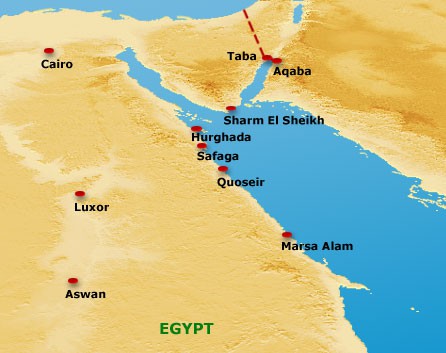
Red Sea routes: choose your arrival and departure base
For an Egyptian Red Sea holiday, compare Sharm El Sheikh, Hurghada and Marsa Alam airports with the boarding port on your booking. Port Ghalib is a separate port area, not the name of Marsa Alam airport. Arrange the airport-to-marina transfer with the operator and confirm its cost and timing.
Choose Sharm el Sheikh for a Sinai-focused trip, Hurghada for many northern departures, and Port Ghalib for many southern programmes. Some offshore weeks run one way between Hurghada and Port Ghalib. Confirm both ports and the assigned marina before arranging flights; a boat’s usual home port does not establish your departure’s transfer.
Select routes independently. Solid connections follow a published sample sequence; routes without a confirmed order show numbered destination references only. Connections are indicative, not navigational tracks or guaranteed stops. Reverse trips and weather changes alter the plan. Port pins identify areas, not boarding jetties.
Routes in words
Grand Tour · 7 nights. Royal Evolution’s published seven-night Grand Tour; Port Ghalib return. Offshore crossings and southern reefs.
- Port Ghalib — embarkation area
- Marsa El Shouna
- Elphinstone
- Brothers — Big Brother reference
- Daedalus
- Rocky Island
- Zabargad Island
- St John’s reefs — Gota Kebiera area reference
- Port Ghalib — embarkation area
Elba · 7 nights. Royal Evolution’s seven-night Elba programme; Port Ghalib return. Border permissions and insurance require separate confirmation.
- Port Ghalib — embarkation area
- Marsa El Shouna
- Elphinstone
- St John’s reefs — Gota Kebiera area reference
- Elba reef region — approximate reference
- St John’s reefs — Gota Kebiera area reference
- Port Ghalib — embarkation area
Daedalus & Elba · 7 nights. Royal Evolution’s seven-night Daedalus–Elba programme; Port Ghalib return.
- Port Ghalib — embarkation area
- Marsa El Shouna
- Elphinstone
- Daedalus
- Rocky Island
- Zabargad Island
- Elba reef region — approximate reference
- St John’s reefs — Gota Kebiera area reference
- Port Ghalib — embarkation area
Brothers–Elba · 10 nights. Royal Evolution’s ten-night programme; Port Ghalib return. A longer trip, not a seven-night fare comparison.
- Port Ghalib — embarkation area
- Abu Dabab — reef area reference
- Elphinstone
- Brothers — Big Brother reference
- Daedalus
- Rocky Island
- Zabargad Island
- Elba reef region — approximate reference
- St John’s reefs — Gota Kebiera area reference
- Elphinstone
- Port Ghalib — embarkation area
Special Wrecks · 7 nights. Royal Evolution’s published Special Wrecks programme; Hurghada return. Obtain a matching departure.
- Hurghada — embarkation area
- Abu Nuhas reef
- Gubal — Small Gubal reference
- Rosalie Moller
- Brothers — Big Brother reference
- Salem Express / Safaga area
- Hurghada — embarkation area
Sinai reefs & wrecks · Sharm. King Snefro’s Sinai Classic programme includes Thistlegorm, Ras Mohammed and Tiran. Sailing order varies; markers are numbered references, not a daily sequence.
- Sharm el Sheikh — port-area reference, not assigned marina
- Thistlegorm
- Shark and Yolanda — Ras Mohammed reference
- Jackson Reef
- Sharm el Sheikh — port-area reference, not assigned marina
BDE · offshore islands. Brothers, Daedalus and Elphinstone. Port Ghalib-return Aggressor IV example; other boats and dates can use different ports. Sailing order unconfirmed.
- Port Ghalib — embarkation area
- Brothers — Big Brother reference
- Daedalus
- Elphinstone
- Port Ghalib — embarkation area
South & St John’s · Fury Shoals. Emperor’s Port Ghalib-return southern programme. Habili Ali represents St John’s; Claudia and Abu Galawa represent Fury Shoals. Daily order varies.
- Port Ghalib — embarkation area
- Habili Ali
- Claudia Reef
- Small Abu Galawa
- Port Ghalib — embarkation area
Daedalus, Rocky & Zabargad. Tala’s 28 February–7 March 2027 Port Ghalib-return DRZ example. Geographic references only; final sequence unconfirmed.
- Port Ghalib — embarkation area
- Daedalus
- Rocky Island
- Zabargad Island
- Port Ghalib — embarkation area
Programme sources, checked 25 October 2026: Royal Evolution · King Snefro Sinai Classic · Aggressor IV · Emperor South & St John’s · Tala calendar. Elba extends towards Sudanese waters: a marketed route does not settle entry permissions or your insurer’s cover.
Where are the principal dive sites?
| Site | What the pin represents |
|---|---|
| Thistlegorm | Famous northern wreck; certification and logged-dive rules apply. |
| Abu Nuhas reef | Reef with several wrecks; the pin does not identify every wreck. |
| Rosalie Moller | Northern wreck near Gubal; verify the departure’s actual programme. |
| Shark and Yolanda — Ras Mohammed reference | Ras Mohammed reef reference; walls and current-sensitive diving. |
| Jackson Reef | Tiran reef reference; conditions determine the dive plan. |
| Brothers — Big Brother reference | Big Brother reference; nearby Small Brother is a separate site. |
| Daedalus | Remote offshore reef; exposed conditions and crossings. |
| Elphinstone | Offshore reef near the mainland; current and depth matter. |
| Rocky Island | Remote island; visited only on suitable southern routes. |
| Zabargad Island | Southern island; not a guaranteed addition to every St John’s week. |
| Habili Ali | Habili Ali reference within the wider St John’s reef system. |
| Claudia Reef | Claudia Reef reference within Fury Shoals. |
| Small Abu Galawa | Small Abu Galawa; another Fury Shoals site. |
| Sataya — southeast reef reference | Sataya reef reference; wildlife encounters are not guaranteed. |
Geography: CDWS dive-site references and the retained operator programmes. Daedalus uses Red Sea Diving’s Daedalus reference (approximately 24.931167° N, 35.870389° E), checked 26 October 2026. Port-area references: Port Ghalib; Hurghada. Coordinates are planning references, not dive-entry instructions.
How to get to Red Sea?
Compare airports and transfers
Do I need a visa for Red Sea?
Check visa and entry requirements

Getting Around
Arrange an airport pickup with your accommodation or cruise provider when you have a fixed boarding time. Get the meeting point, contact number, total fare and luggage allowance in writing; this is particularly useful for late arrivals or southern resorts outside town.
For independent taxi journeys, agree the fare and destination before setting off. Between coastal bases, compare a verified flight or road transfer for the actual date. Do not build an itinerary around a Sharm El Sheikh–Hurghada ferry without a current operator timetable and confirmed booking.
Red Sea travel questions
Which airport should I book?
The one that fits your accommodation and confirmed boarding port. Check the return port as well; a cruise need not end where it starts.
Does a Sinai entry stamp cover every diving trip?
No. Eligibility and permitted area are limited. Check your passport and the exact itinerary with the official authority and operator.
Are flights and transfers included in a cruise fare?
Only when the dated offer includes them. Ask about pickup windows, luggage and any hotel night.
Can a non-diver join a liveaboard?
Acceptance, fare and activities depend on the boat and departure. Request all three in writing; shore accommodation may offer more choice.
Can I fly immediately after the last diving day?
Plan the surface interval from the actual final dive, not the checkout date. Use DAN guidance and any more conservative advice applicable to your trip.
Travel information and linked official sources checked 24 October 2026. Recheck entry rules, flight operations and the dated booking terms before departure.
Red Sea Photos
Scuba diving
You will find all information about sea life, best time to visit, top dive spots, etc. in our review: Red Sea Diving

Diving Reviews for this region
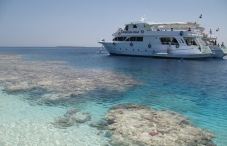
Hamata
Hamata gives land-based divers access to Fury Shoals: coral gardens, small wrecks and exposed outer reefs, with outings matched to experience and sea conditions.

Eilat
Eilat offers mainly shore-based Red Sea diving, with coral gardens, the Satil wreck and sites for different experience levels. Check recent-dive and insurance requirements before arrival.
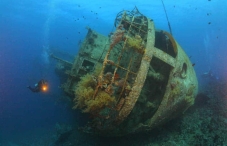
Aqaba
Aqaba combines coral gardens and shore diving with the Cedar Pride, aircraft wrecks and underwater military displays. A land-based stay can also include Petra and Wadi Rum.

Marsa Alam
Marsa Alam combines shore-access bays such as Abu Dabbab with boat trips to offshore reefs including Elphinstone. Choose the base and dive profile to suit your experience; wildlife sightings vary.
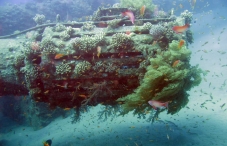
Nuweiba
Nuweiba suits unhurried shore diving and underwater photography, with coral gardens and small marine life to explore with a local guide.

Dahab
Dahab combines shore-access reefs and training sites with advanced profiles at the Canyon and Blue Hole. Choose the dive to match your experience.

Hurghada
Hurghada combines day-boat reefs, beginner training and longer wreck excursions. Match the site, transfer and dive profile to your experience.

Sharm El Sheikh
Sharm combines local reef diving with Ras Mohammed, Tiran and separately planned wreck excursions. Match the route and dive profile to your experience.

Red Sea
Red Sea diving, through the eyes of the people who have been: guest reviews, trip stories and our guide to Egypt’s reefs, wrecks and shore-diving stays.
Liveaboard Reviews in Red Sea
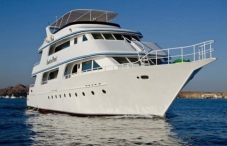
MV Snefro Pearl
Snefro Pearl keeps the guest list to twelve. That makes this King Snefro Fleet boat an appealing choice for buddies who want a sociable diving holiday without joining a much larger group. You can spend a few nights exploring the northern Red Sea or cho
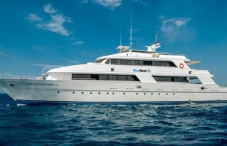
Blue Force 3 – Red Sea
Blue Force Fleet now markets Blue Force 3 in the Maldives. In its May 2022 announcement, the operator scheduled the boat’s final Red Sea cruise for 19 November 2022 and its Maldives programme from 25 March 2023. The current operator page still presents
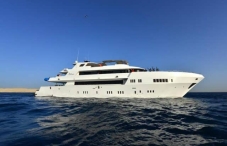
MY Blue
MY Blue is a Blue Planet Liveaboards vessel built in 2016, with space for twenty-four guests in twelve cabins. Its appeal lies in the choice of accommodation, comfortable shared spaces and a diving setup that caters for photographers as well as recreat
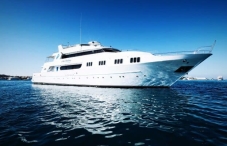
MY Blue Horizon
Blue Horizon welcomes up to 26 guests in 13 air-conditioned, en-suite cabins, with twin and double options. A spacious dive deck makes getting ready for the next dive easier, while the sky lounge, sun deck and hot tub offer places to unwind afterwards.
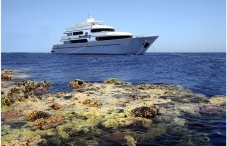
M/Y Seven7Seas
The curved salon bar, teak decks and spacious cabins gave Seven7Seas a distinctive place among Egypt’s safari boats. Between dives, the barbecue lounge and open views made the journey itself part of the pleasure.
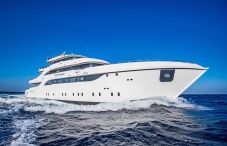
SS Glorious Miss Nouran
SS Glorious Miss Nouran, also known as Sea Serpent Glory, is a 40-metre Sea Serpent Fleet liveaboard carrying up to 26 guests in 13 cabins. Its appeal lies in the choice of places to spend the hours between dives: an indoor lounge, cushioned outdoor se
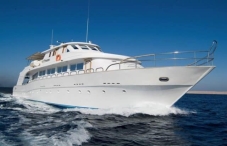
MV Dreams
No dated departure was available online for the earlier MV Dreams when checked on 5 November 2026. This 28-metre, sixteen-guest boat is distinct from Serena Dreams. Its smaller scale was an alternative to the larger Red Sea safari boats; this page pres
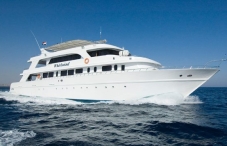
MY Whirlwind
The 36 meters Whirlwind liveaboard has done her maiden voyage in 2006 and offers great diving cruises on the Red Sea ever since. Indeed, the wooden vessel proudly boasts to be offering “5 stars” services to divers from all over the world. . Boat Cabins
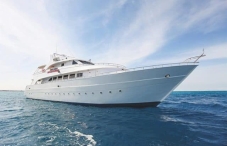
Blue Adventurer / Red Sea Adventurer
This traditional Egyptian liveaboard is known for its choice of twin, double and single cabins, and for weeks exploring the Red Sea’s wrecks and reefs. At 32 metres long and 8 metres wide, it offers a more intimate setting than the larger yachts in the
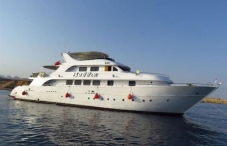
Bella
Bella, also pictured here as Bella 1, is an Egyptian Red Sea liveaboard associated with Sharm el Sheikh. A wood-panelled lounge, generous outdoor seating and a practical camera area give the boat its appeal between wreck and reef dives.
more of a question then feedback but I missed that button. I haven’t made it to the Red Sea yet, but some friends from Israel have invited me to come and said we could make a trip down to the sea for diving. Have you any suggestions for dive sites from that small portion of the sea or any cautionary tales?
oops, i didn’t use the inside scroll window to see the other dive sites besides from Egypt.