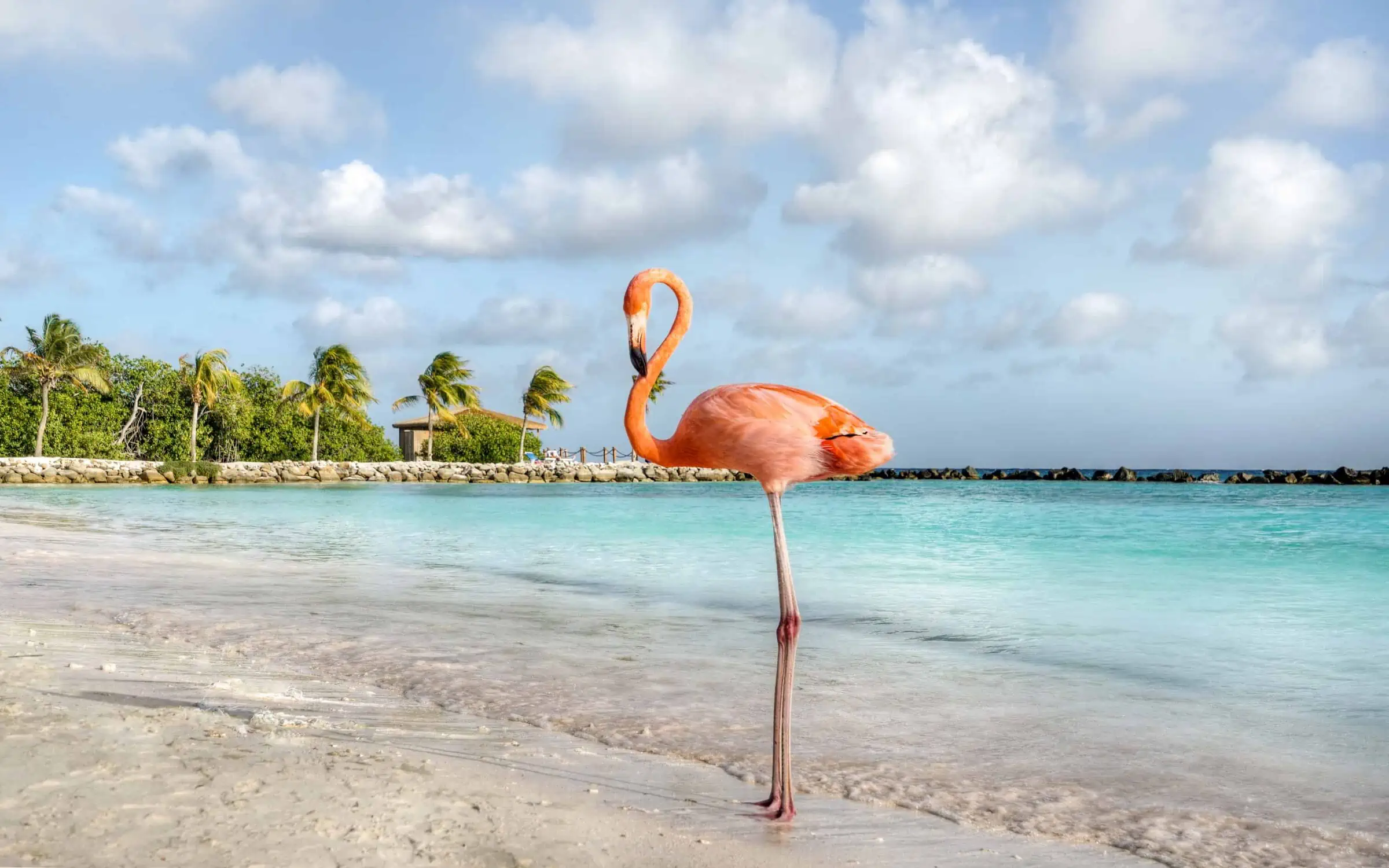
Aruba welcomes you to the Kingdom of the Netherlands—in the Caribbean. The island makes an easy setting for travellers who want diving in the morning and beaches, restaurants or exploring later. The useful planning detail is where those mornings start: a hotel near Palm Beach and a southern-coast dive centre can mean a daily transfer.
Planning information reviewed 9 November 2026.
In this page you will find practical information to plan a scuba diving trip to Aruba:
Table of contents
Where to stay?
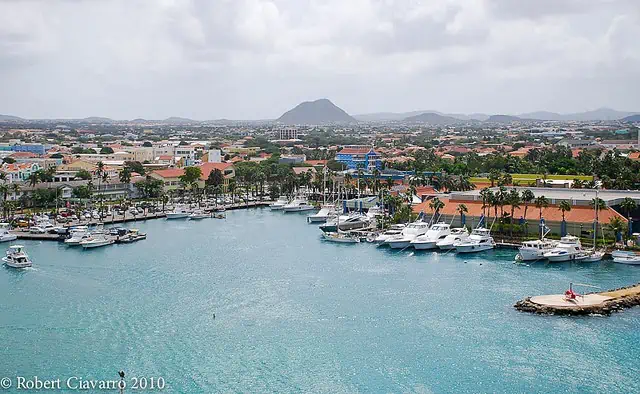
Oranjestad offers an urban base, while Noord and Palm Beach concentrate many larger resorts. Savaneta and San Nicolas can suit travellers drawn to the southern coast. The trade-off is between beach and restaurant preferences, the dive centre’s pickup arrangements and how much independent exploring you want.
| Option | Price per person | What changes the total |
|---|---|---|
| JADS two-dive morning | US$105 without full rental; US$145 with rental | Per person; computer and transfer can add to the total. |
| Boat passenger / snorkeller | US$32/day | Specific departure and equipment arrangements need confirmation. |
| Air-arrival sustainability fee | US$20 where applicable | Official ED-card process and exemptions govern payment. |
Examples checked 9 November 2026 from JADS and Aruba’s tourism authority. Accommodation, meals and flights remain separate; live quotes are preferable to a single island-wide daily budget.
Activities and excursions in Aruba
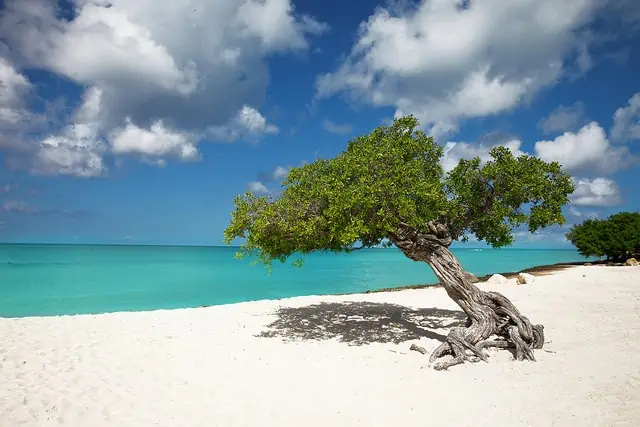
Aruba’s white-sand beaches, Arikok landscapes and Oranjestad streets make it easy for companions to enjoy their own holiday. San Nicolas adds a different pace from the northern resort strip, while a snorkel excursion gives non-divers time in the water without committing to scuba training.
A shared dive boat is only one option. JADS lists a US$32-per-day passenger/snorkeller rate, but suitable stops and equipment need confirmation. That can be compared with a separate snorkel excursion or a relaxed beach day.
Watch the original destination video on YouTube. Earlier footage; access and conditions may have changed.

Best time to visit Aruba
Aruba is a year-round holiday destination, with accommodation demand and airfares changing by travel dates. Winter escapes and school holidays can be busy. Lower prices should not be inferred simply from an old wet-season label; a dated hotel quotation is the reliable starting point.
Weather flexibility remains worthwhile in the southern Caribbean. A location away from many hurricane tracks is not a guarantee against storm-related swell or cancelled outings.
Aruba’s tourism authority places the main rainy period around October–December, with short showers rather than a guarantee of all-day rain. Official weather and climate guidance.
Health and Safety
A useful insurance policy covers the planned scuba activity and any necessary evacuation, as well as ordinary travel disruption. Current health requirements depend on the countries visited or transited; old blanket yellow-fever advice should not replace itinerary-specific guidance.
The final day can be used for island time rather than another dive, allowing a suitable interval before flying. DAN explains flying-after-diving considerations.
If you are planning an upcoming dive trip or travelling to Aruba, it is a really good idea to invest in travel insurance for scuba diving, because you never know what could happen and when you might need it (because accidents do happen!). I recommend this diving insurance as they offer worldwide coverage and focus on providing scuba divers a quality insurance and medical assistance service.
Where is Aruba located in the world?
Aruba lies north of Venezuela in the southern Caribbean. Oranjestad is the capital, and the island is a constituent country of the Kingdom of the Netherlands. Dutch and Papiamento are part of its identity; its cultural history is distinct from that of many neighbouring islands.
Arrival gateways and bases
Satellite reference views for trip planning. Named-place markers are approximate and are not entries, moorings or underwater navigation positions.
- Airport AUA: International arrival point.
- Palm Beach: Northern resort area.
- Oranjestad: Capital and accommodation base.
- Savaneta: Southern coastal base; pickup arrangements still matter.
How to get to Aruba?
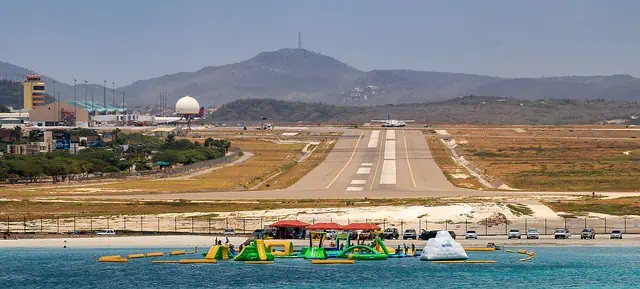
Queen Beatrix International Airport (AUA) is the air gateway. The onward journey is to the hotel and, separately, to the dive departure. A centre may collect guests from a pier on one day and use its southern base on another, so a single generic hotel-to-shop estimate can be misleading.
An arrival afternoon is useful for settling in and confirming equipment and pickup details. Return-flight plans need room after the final dive, particularly when an early flight would otherwise shorten the surface interval.
Do I need a visa for Aruba?
Visitors arriving by air use Aruba’s online Embarkation/Disembarkation system. The official tourism guidance describes a US$20 sustainability fee and applicable exceptions; payment and approval instructions should come from the official ED-card process. This is separate from any nationality-dependent visa requirement.
Passport validity, permitted stay and health documentation depend on the traveller and itinerary. A blanket “90 days without a visa” rule is not suitable for every visitor. Transit through another country can add its own requirements.
Getting Around
Aruba is compact, but a bus route convenient for sightseeing may not suit an early dive pickup with equipment. Taxis, centre transfers and rental cars are the practical alternatives. The total should include parking, fuel and the actual number of diving mornings rather than only a headline rental rate.
For a southern JADS excursion, the published transfer example is US$20 per person round trip. A direct booking confirms whether that applies to the chosen hotel and package.
A well-placed base lets Aruba feel pleasantly simple: fewer transfers, more time after the morning dives and enough flexibility for everyone in the party. The accommodation map and the dive pickup map are worth considering together.
Questions before you go
Is the ED card the same as a visa?
No. The arrival form and sustainability fee do not replace a visa when a traveller needs one. Nationality and travel documents still determine entry eligibility.
Is Palm Beach always the best base for divers?
It suits many resort stays, but southern dive departures may involve transfers. The better base depends on the sites, centre and activities your group prefers.
What is missing from a two-dive headline price?
Equipment, computer rental, transfers and any package-specific extras may be separate. JADS publishes itemised examples, which makes a like-for-like comparison possible.
Aruba Photos
Scuba diving
You will find all information about sea life, best time to visit, top dive spots, etc. in our review: Aruba Diving

Diving Reviews for this region

Jamaica
Local reef dives from Negril, Montego Bay and Ocho Rios, with current operator and resort checks.

Aruba
The island of Aruba is surrounded by outstanding reefs, and has a number of wrecks.

Cuba
The marine protection programs in Cuba has resulted in pristine coral reefs.

U.S. Virgin Islands
The United States Virgin Islands – America’s Caribbean. Outstanding scuba diving in a vacation haven.

Cayman Islands
You can dive a different dive site every day for a year!

Bonaire
Bonaire shore and boat diving: reef sites, marine-park rules, conditions and practical advice for a land-based dive holiday.

St. Kitts and Nevis
St. Kitts and Nevis has excellent scuba diving that is close to shore meaning short boat rides. Being a small island, dive boats can always find a sheltered dive site in poor weather.

The Caribbean
The Caribbean is one of the most dived destinations in the world. A great destination for beginners as well as experts. With thousands of dive sites it offers something for just about everyone.

Saba
Saba offers Scuba divers site sites that are pristine and loaded with marine life.

Turks & Caicos
The Turks & Caicos Islands provides Scuba divers with a dive experience not easily matched.

Saint Martin
A great selection of wrecks and reefs for divers of all skill levels.

Dominican Republic
The Dominican Republic is a lessor known dive destinations with outstanding diving from both the north and south coast. It is also the kick off point to the nearby Silver Banks.

Bahamas
The Bahamas offer a wide range of diving sites. There are sites that are great for learning to dive and others for experienced divers. Cave divers will find many opportunities.
Liveaboard Reviews in Aruba & Caribbean
Jardines Aggressor II
The Jardines Aggressor is a liveaboard offering diving cruises in Cuba. The 33.5 meters vessel is actually part of a program called Cuba Travel Program II and will take you to discover the beautiful Gardens of the Queen (Jardines de la Reina). The prog
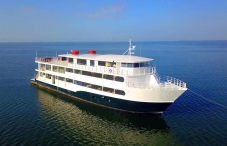
Jardines Avalon IV
The Jardines Avalon IV is a spacious floating hotel located in the Jardines De La Reina in Cuba. Built in 2020 and a member of the Avalon fleet, this 52 meters vessel has a feature that sets it apart since it is permanently anchored in the popular divi

BVI Aggressor
Vessel update — Bahamas Aggressor IIChecked 5 October 2026. Aggressor announced that BVI Aggressor moved to the Bahamas as Bahamas Aggressor II in May 2025. This page preserves the earlier British Virgin Islands review; it is not a current BVI departur

MV Caribbean Explorer II
Photographs: Explorer Ventures / LiveAboard.com; existing Divezone boat gallery.
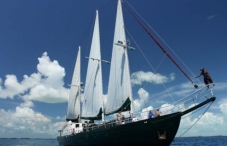
Juliet Sailing & Diving
The almost 32-metre Juliet is a schooner dating back to 1974, later converted for dive cruises. Her character is a big part of the appeal: a small-group sailing atmosphere and a Bahamas itinerary that starts in Miami.
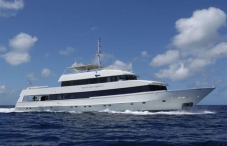
MV Turks and Caicos Explorer II
The MV Turks & Caicos Explorer II is from the ground up a purpose built vessel to explore the amazing marine environment and reefs of Turks and Caicos and longer excursions to Silver Bank off the coast of The Dominican Republic. The electrif

MV Shear Water
The MV Shear Water is a 20-metre liveaboard associated with Bahamas and Florida expeditions. Its appeal lies in the specialist shark programme and small group rather than hotel-style accommodation.
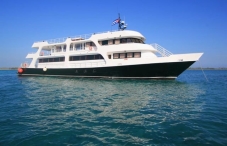
MV Avalon II
The Avalon Liveaboards vessels are well-known in Cuban waters and MV Avalon II is the newest addition to their fleet. Avalon 2 cruises the waters of the Jardines de la Reina or “Gardens of the Queen”. Jardines de la Reina is a marine park with a
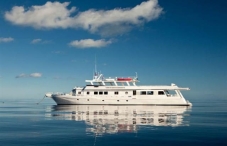
MV Turks & Caicos Aggressor II
Photos: existing Divezone vessel gallery and LiveAboard.com partner gallery.
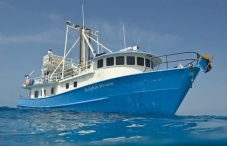
MY Dolphin Dream
The 25-metre Dolphin Dream is a charter liveaboard associated with Bahamas dolphin encounters and shark expeditions. These are different trips: a dolphin programme may focus on snorkeling, while a shark expedition has its own scuba requirements.
If you have been to Aruba before, please share your experiences, ideas and feedback (Hotel, Excursions, General Feeling,…) in the comments section below, by doing so you will help fellow travellers to plan their next trip