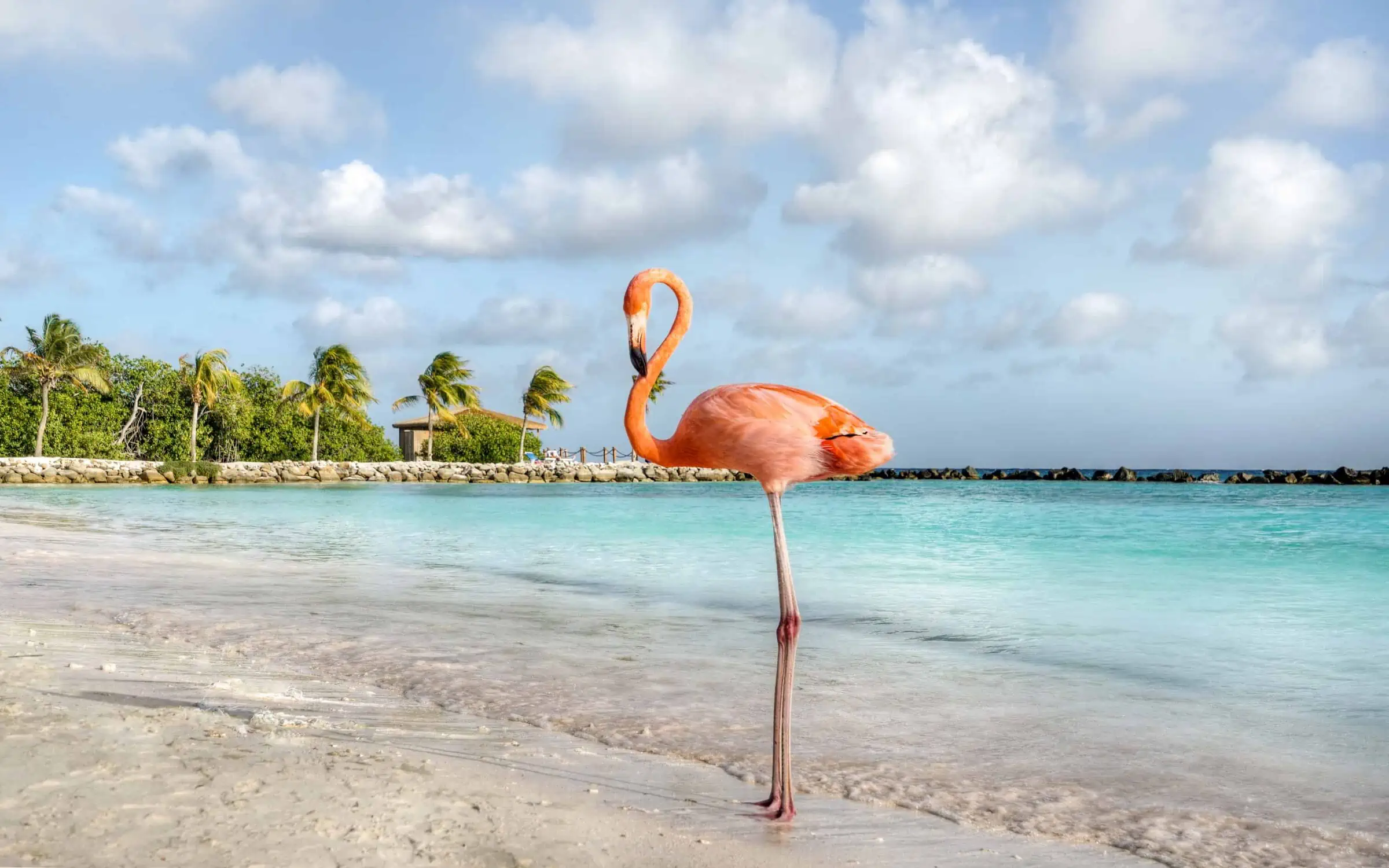
Aruba, Bonaire and Curaçao are often called the ABC Islands, lying in the southern Caribbean north of Venezuela. Aruba’s particular appeal is the way a beach holiday can turn into a wreck-diving holiday without changing hotels: ship remains and fringing reefs are reached on local outings, leaving the afternoon free for island life.
A northwestern wreck trip and a southern-coast reef morning are different outings. The departure pier matters, especially when a centre serves both ends of the island.
Planning information reviewed 9 November 2026.
In this page you will find more detailed information about scuba diving in Aruba.
Table of contents
Best Dive Review
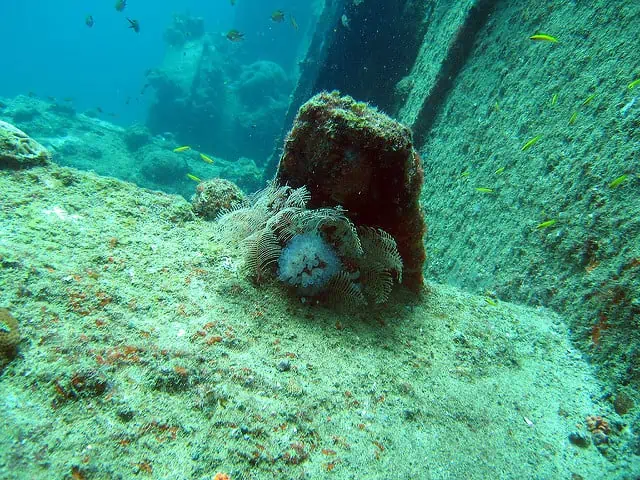
In Aruba, diving combines natural reefs, shipwrecks and artificial reefs. Antilla is the headline name, but a varied few days also leaves room for southern sites.
- Antilla: the large German freighter is the island’s best-known wreck outing. An exterior visit and a penetration dive are different activities; the latter is not an automatic part of a holiday wreck dive.
- Pedernales: scattered tanker remains offer a different view of wartime maritime history from a complete standing hull.
- Jane Sea and Barcadera Reef: JADS pairs a wreck with a reef on its published schedule, giving a morning more variety than two similar wreck dives.
- Renaissance Airplanes and Sponge Reef: another published JADS pairing, with artificial structures followed by reef habitat.
- Mangel Halto: a coastal option whose entry, current and route need local assessment. A pretty shoreline does not mean every route is suitable for independent beginners.
JADS’s site schedule lists the actual pairings and makes them conditional on sea conditions. Its Antilla outing uses a different pickup location from southern trips.
Dive-site and coastal references
Satellite reference views for trip planning. Named-place markers are approximate and are not entries, moorings or underwater navigation positions.
- Antilla: Published PADI site reference; not a navigation waypoint.
- Jane Sea: Southern wreck reference.
- Mangel Halto: Coastal site reference; local guidance needed for entry and current.
Watch the original destination video on YouTube. Earlier footage; access and conditions may have changed.
How to dive Aruba?
Aruba is primarily a shore-based dive holiday, using local day boats and selected shore entries. This makes it especially easy to mix diving with a resort stay or independent accommodation. It does not mean every site is close to every hotel.
| Option | Price per person | What changes the total |
|---|---|---|
| JADS two-tank day | US$105 | Tanks, weights and guide. |
| Same day with rental equipment | US$145 | Computer rental is separately listed at US$16/day. |
| Snorkeller / passenger | US$32/day | Published boat-passenger rate; suitability and snorkel equipment need confirmation. |
Published JADS prices checked 9 November 2026. Its excursion page separately lists a US$20-per-person round-trip transfer; inclusion in a particular booking should be clear before payment.

Best time to dive in Aruba
Aruba offers diving throughout the year, but “year-round” does not mean identical conditions every day. Wind, swell and local runoff can change site selection even when the weather looks inviting from a resort terrace. Flexible dates for the Antilla outing are more useful than a promise that a particular weekday will always run.
The island’s southern Caribbean location does not make it immune to storm effects. A current marine forecast and the operator’s decision take priority over a general hurricane-belt description.
Aruba’s tourism authority places the main rainy period around October–December, with short showers rather than a guarantee of all-day rain. Official weather and climate guidance.
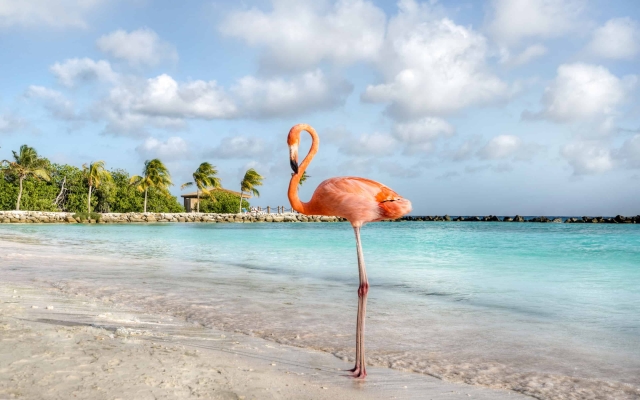
Top liveaboards in Aruba & Caribbean according to divers reviews
Dive courses
Introductory scuba and certification courses are available through local centres. A first experience is a supervised training activity rather than permission to join every wreck trip. For qualified divers, buoyancy and navigation skills are particularly useful around fragile reef growth and wreck structures.
Scuba Diving conditions
Warm Caribbean diving is the general setting, with conditions varying between sheltered coastal reefs and exposed sites. Visibility is not a fixed island-wide number. Current, swell, entry conditions and the day’s chosen depth matter more when assessing suitability.
JADS describes southern outings reaching approximately 12–31 metres, so “southern coast” should not be read as “all beginner dives”. Certification, recent experience and a suitable thermal layer help the centre place divers appropriately. Operator excursion details.
Snorkelling in Aruba
Aruba works well for mixed groups, but the best snorkel stop is not necessarily the deeper site selected for scuba. JADS publishes a US$32-per-day snorkeller/passenger boat option; the booked departure still needs to be suitable, and equipment is not described as included in that passenger line. Beach time and a separate guided snorkel outing may suit companions better than waiting aboard through two deep dives.
Fishes and Coral
Reef fish, morays, sponges and coral growth provide much of the interest between Aruba’s wreck structures. Turtles and rays may appear, but an outing should not be sold around a guaranteed encounter. Reef condition varies between sites. Wreck structure, sponges and reef fish can be as much a part of the dive as coral cover.
Good buoyancy keeps fins clear of coral and sediment. The wreck’s age and its marine growth are part of the attraction; neither needs to be touched for a closer look.
Angelfish
Broad, patterned flanks make these reef fish easy to notice.
Parrotfish
Beak-like mouths and changing colours reward a closer look.
Barracudas
Long silver outlines are possible above reef and wreck habitats.
Moray eels
Crevices offer shelter; hands remain outside the holes.
Rays
Sandy patches can provide a resting or feeding habitat.
Nurse sharks
An occasional encounter rather than the reason to guarantee a trip.
Representative illustrations, not identification photographs or guaranteed sightings.
Diving Safety
If you are planning an upcoming dive trip or travelling to Aruba, it is a really good idea to invest in travel insurance for scuba diving, because you never know what could happen and when you might need it (because accidents do happen!). I recommend this diving insurance as they offer worldwide coverage and focus on providing scuba divers a quality insurance and medical assistance service.
Aruba’s strongest combination is variety without a complicated itinerary: a wreck morning, a reef morning and enough unhurried time ashore to enjoy the island. The right pickup point and clear package inclusions make that combination much easier.
Questions before you go
Do all Aruba dives leave from the same pier?
No. JADS lists different arrangements for southern trips and its Antilla outing. The precise pickup point should match the booked excursion.
Can a non-diver join the boat?
JADS publishes a snorkeller/passenger rate, but acceptance and suitable water access still depend on the departure. That rate is not a promise that every deep dive stop is a good snorkel stop.
Is wreck penetration included in a normal dive?
No. An exterior tour does not imply permission or training for entering an overhead environment. Penetration requires the relevant training, equipment and operator agreement.
Photos Aruba
Travel Guide
Now that you know all about the underwater world, you might want to start planning your scuba holiday! Check out our Aruba Travel Review for information about how to get there, activities and excursions, where to stay, and more.

Diving Reviews for this region

Jamaica
Local reef dives from Negril, Montego Bay and Ocho Rios, with current operator and resort checks.

Cuba
The marine protection programs in Cuba has resulted in pristine coral reefs.

U.S. Virgin Islands
The United States Virgin Islands – America’s Caribbean. Outstanding scuba diving in a vacation haven.

Cayman Islands
You can dive a different dive site every day for a year!

Bonaire
Bonaire shore and boat diving: reef sites, marine-park rules, conditions and practical advice for a land-based dive holiday.

St. Kitts and Nevis
St. Kitts and Nevis has excellent scuba diving that is close to shore meaning short boat rides. Being a small island, dive boats can always find a sheltered dive site in poor weather.

The Caribbean
The Caribbean is one of the most dived destinations in the world. A great destination for beginners as well as experts. With thousands of dive sites it offers something for just about everyone.

Saba
Saba offers Scuba divers site sites that are pristine and loaded with marine life.

Turks & Caicos
The Turks & Caicos Islands provides Scuba divers with a dive experience not easily matched.

Saint Martin
A great selection of wrecks and reefs for divers of all skill levels.

Dominican Republic
The Dominican Republic is a lessor known dive destinations with outstanding diving from both the north and south coast. It is also the kick off point to the nearby Silver Banks.

Bahamas
The Bahamas offer a wide range of diving sites. There are sites that are great for learning to dive and others for experienced divers. Cave divers will find many opportunities.
Dive spots reviews in Aruba & Caribbean
Liveaboard Reviews in Aruba & Caribbean

MV Shear Water
The MV Shear Water is a 20-metre liveaboard associated with Bahamas and Florida expeditions. Its appeal lies in the specialist shark programme and small group rather than hotel-style accommodation.
MV Avalon II
The Avalon Liveaboards vessels are well-known in Cuban waters and MV Avalon II is the newest addition to their fleet. Avalon 2 cruises the waters of the Jardines de la Reina or “Gardens of the Queen”. Jardines de la Reina is a marine park with a
MV Turks & Caicos Aggressor II
Photos: existing Divezone vessel gallery and LiveAboard.com partner gallery.
MY Dolphin Dream
The 25-metre Dolphin Dream is a charter liveaboard associated with Bahamas dolphin encounters and shark expeditions. These are different trips: a dolphin programme may focus on snorkeling, while a shark expedition has its own scuba requirements.
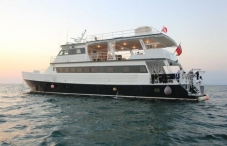
MV Avalon I
MV Avalon I is one of the most luxurious and comfortable of the Avalon Liveaboards vessels. Along with her sister vessel, Avalon II, she represents one of the most pleasant ways to explore the Cuban waters. The marine park of Jardines de la Rein
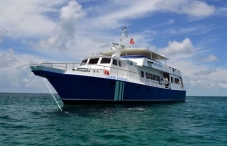
MV Bahamas Aggressor
The original MV Bahamas Aggressor, previously known as Carib Dancer, was a familiar name in Bahamas liveaboard diving. This page preserves that vessel’s history and original onboard photographs; it is not the profile of Bahamas Aggressor II.
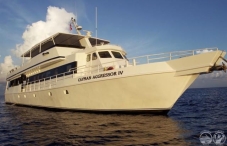
MV Cayman Aggressor IV
MV Cayman Aggressor IV is part of the legendary Aggressor Fleet, based in the USA. They have liveaboard offerings covering the vast majority of the globe’s best scuba diving locations. The MV Cayman Aggressor IV, as with the rest of their fleet, is pur

Aqua Cat
Built for space and stability, the Aqua Cat offers a flexible layout and suits larger groups. Choose this catamaran for a comfortable Exumas week, generous shared spaces and the convenience of an en-suite cabin.
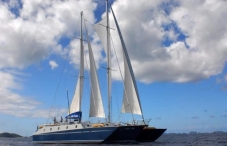
Cuan Law
The Cuan Law is a trimaran dive vessel operating as a liveaboard in the British Virgin Islands. The 32 meters ship proudly boasts to be one of the largest trimaran in the world. The ship was built in Canada and now offers a great Caribbean diving cruis
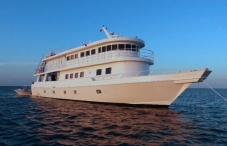
Jardines Aggressor II
The Jardines Aggressor is a liveaboard offering diving cruises in Cuba. The 33.5 meters vessel is actually part of a program called Cuba Travel Program II and will take you to discover the beautiful Gardens of the Queen (Jardines de la Reina). The prog
If you have dived in Aruba before, please share your experiences: Dive spots you would recommend, which Dive Center you used, Fishes & Diving, Visibility, Currents, etc. Please post your comments in the section below, by doing so you will help fellow divers to plan their next trip