Hyères or Port-Cros for a Mediterranean dive break?
If the morning boat is the part you are looking forward to, staying on Port-Cros puts the village harbour on your doorstep. Beds on the island are limited. Hyères gives you more choice on the mainland, but a room there only works for an island departure if the first passenger ferry gets you to the centre before check-in.
How much time should I allow for La Palud?
The national park describes roughly an hour on the boat to Port-Cros and another half-hour on foot from the village to La Palud. Those are journey times, before boarding and waiting. Pick the return sailing first if you want a leisurely swim and lunch on the island.
What can a companion do while I dive?
The coastal path and marked snorkelling trail make a day on Port-Cros possible without a dive-boat seat. Take shoes for the walk and check the wind before setting out. The park advises against swimming at La Palud in a strong mistral. An organised snorkelling outing is another option for €48 with equipment.
Arrival points and places to stay
Choose a place for a satellite view. Markers show planning locations. Your operator confirms the meeting point and the day’s dive site.
Hyères harbour
Mainland starting point. Check the terminal on your ticket.
Watch: Snorkelling the La Palud trail
Planning your trip? France diving guide
Local information and prices checked in November 2026. National park diving rules · Port-Cros dive and snorkelling prices · La Palud trail and access · French Sports Code, article A322-77
Paris makes a fine stop on the way to the coast, but a Mediterranean dive holiday can start much closer to the water. On a short visit, a night near the harbour can buy you more time on Port-Cros than an extra night in the city.
In this page you will find practical information to plan a scuba diving trip to France:
Table of contents
Where to stay?
Marseille gives you a city break with island diving close by. Hyères puts Port-Cros within reach by ferry. For a Normandy wreck trip, stay close to the harbour named on your booking. If you are adding Paris or Lyon, schedule those nights around your rail journey rather than commuting to the coast.
Activities and excursions in France
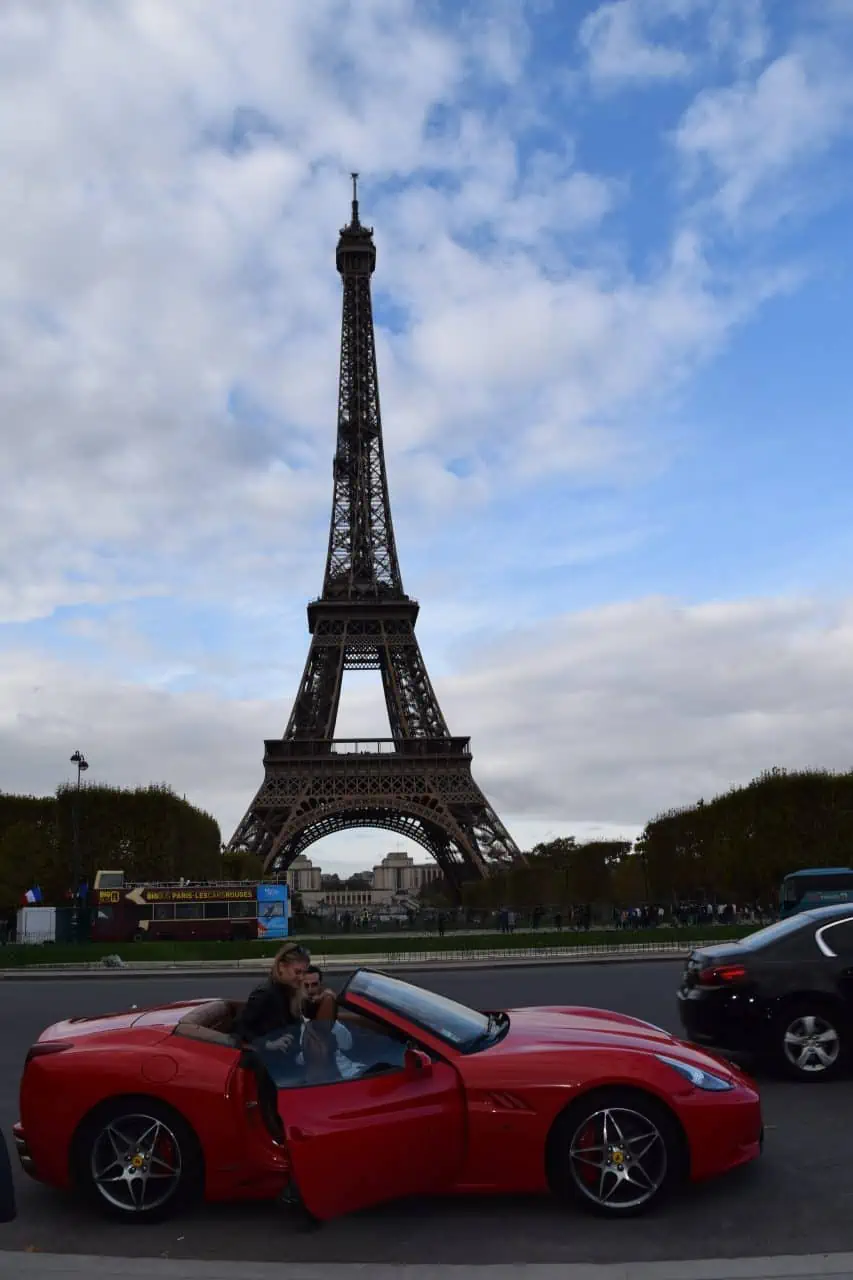
France offers so much for the tourist, that it is difficult to suggest activities and excursions. You could spend months in just Paris alone and not fully explore all the city has to offer. Here are a few activities and events to consider:
• Visit a dozen museums.
• You can hike in the summer and ski in the winter in the French Alps.
• Enjoy the French Rivera and any of their many festivals.
• Take a cooking lesson.
• Visit any of the ten main wine producing regions.
• Visit medieval castles and estates.
• Watch the Grand Prix d’Amérique, the world’s best trotters.
• Experience the Tour de France.
• The Gypsy’s Pilgrimage – Les Saintes Maries de la Mer.
Best time to visit France
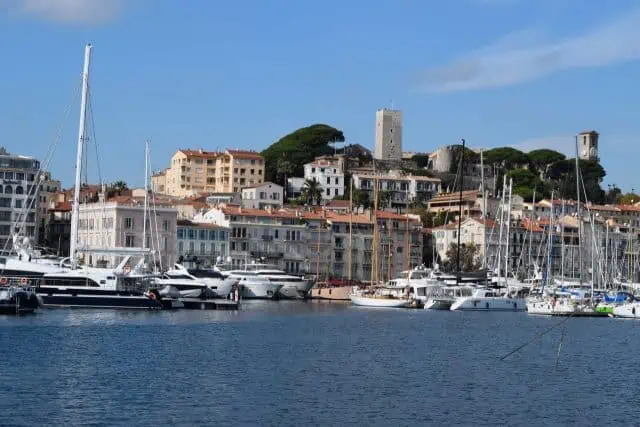
July and August bring busy beaches and more pressure on island rooms. Spring and autumn leave more space for a coastal walk or a city stay, but ferry and dive schedules can be thinner. For Port-Cros, compare both timetables before choosing your dates.
Health and Safety
If you hold a valid EHIC, eligible public care in France is provided on the same terms as for locally insured patients. Charges can still apply. Check your dive insurance for the activities you plan, evacuation and repatriation before you travel. For an emergency in France, call 112. European Health Insurance Card guidance
If you are planning an upcoming dive trip or travelling to France, it is a really good idea to invest in travel insurance for scuba diving, because you never know what could happen and when you might need it (because accidents do happen!). I recommend this diving insurance as they offer worldwide coverage and focus on providing scuba divers a quality insurance and medical assistance service.
Where is France located in the world?
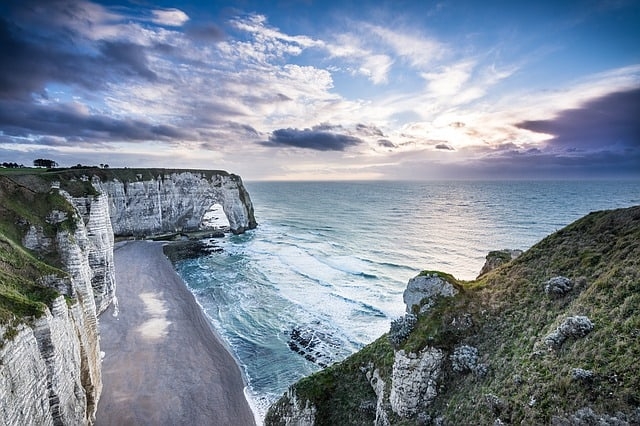
Mainland France faces the English Channel, Atlantic and Mediterranean. Travel times between these coasts can be substantial. A single coastal base works well for a short break, while combining Normandy and Provence calls for a separate travel day.
How to get to France?
For a Mediterranean dive break, compare arrivals in Marseille and the Toulon–Hyères area with the onward trip to your harbour. Paris can work well as a rail gateway, particularly if you want a city stop before heading south. For Normandy, choose the wreck operator first: harbours spread along the coast can be a long drive apart.
Do I need a visa for France?
For visitors covered by the Schengen short-stay rule, time spent in other Schengen countries counts towards the same limit of 90 days in any rolling 180-day period. Whether you need a visa depends on your passport and circumstances. Check the official guidance for your nationality before travelling. European Commission visa guidance
Getting Around
Rail works well between major cities, but getting from the station to a dive boat is a separate journey. In Hyères, compare your arrival time with the bus or taxi connection to the harbour and the ferry check-in. If you are carrying a full kit bag, ask the centre whether you can leave it overnight.

France is a remarkable country with a fascinating history and culture. The landmarks of Paris are something that people everywhere can recognize, but really need to be seen in person to appreciate them. Each region of the country brings their own identity to the grand mix that is France. Make your own memories of a lifetime and visit soon.
France Photos
Scuba diving
You will find all information about sea life, best time to visit, top dive spots, etc. in our review: France Diving

Diving Reviews for this region

France
Choose between Port-Cros reefs, Marseille's rocky islands and Normandy wrecks. Compare dive costs, park access and options for a snorkelling companion.
If you have been to France before, please share your experiences, ideas and feedback (Hotel, Excursions, General Feeling,…) in the comments section below, by doing so you will help fellow travellers to plan their next trip