
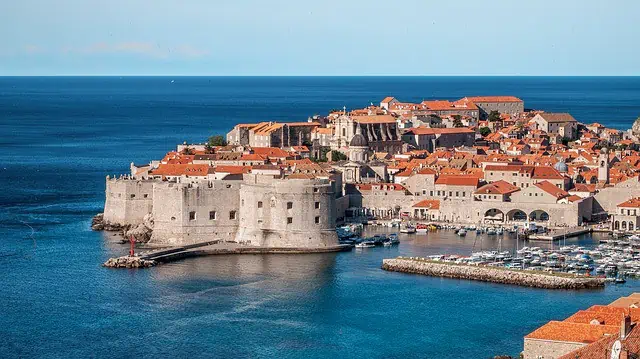

If you have dived in Croatia before, please share your experiences: Dive spots you would recommend, which Dive Center you used, Fishes & Diving, Visibility, Currents, etc. Please post your comments in the section below, by doing so you will help fellow divers to plan their next trip

Croatia combines Adriatic reef and wreck diving with a holiday in coastal towns and on the islands. Most recreational visitors stay ashore and join local boat dives. Island cruises are another way to travel, but a swimming stop on a cruise is not the same as an organised scuba programme.
The Adriatic Sea is outstanding in itself, whether you travel along its coast or dive right in. Croatia’s long coastline gives you plenty of choices; the trick is choosing one base that suits the diving and the rest of your holiday, rather than chasing every island.
Updated November 2026.
In this page you will find more detailed information about scuba diving in Croatia.
Table of contents
Best Dive Review
- Istria: Medulin and other coastal bases offer day diving on northern Adriatic reefs and wrecks. The chosen wreck, depth and permit arrangements need checking with the centre.
- Zadar and nearby islands: useful for boat excursions and rocky underwater terrain. Famous cavern names such as Premuda’s Cathedral should not be mistaken for unrestricted beginner sites.
- Vis: an appealing island base with reefs and historic wrecks. A wreck’s shallowest point does not describe the depth or difficulty of the whole dive.
- Hvar: combines diving around the islands with a lively shore stay; boat routes depend on the operator and weather.
Biševo’s Blue Cave is widely visited as a sightseeing attraction. This guide does not treat a tourist cave-boat ticket as permission to swim or scuba dive inside. Any overhead environment requires the right access, training and equipment.
Detailed dive-site locations
These published reference positions help compare dive locations with your travel base. They are not verified entry points, moorings or an underwater navigation guide. Site access and the day’s dive plan must be agreed with a local operator.
-
An offshore Istrian wreck. Arrange the dive with an authorised local operator and confirm depth limits and current access conditions. Site description and position.
-
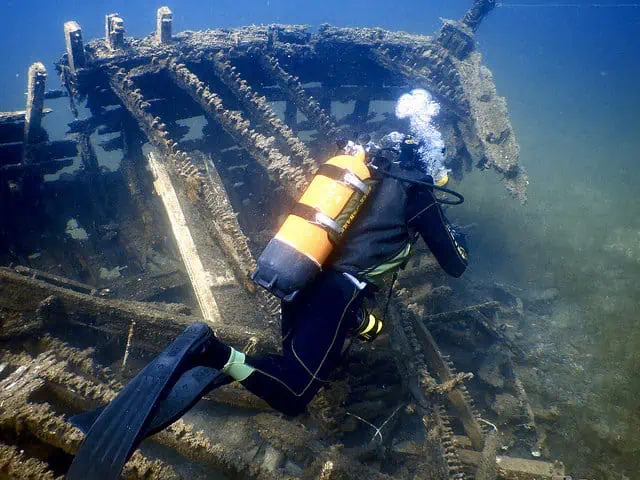
A wreck near the northeastern coast of Krk, known locally as Grk. The published maximum depth is 32 m; a shallow mast does not make the entire wreck a shallow dive. Site description and position.
Positions checked against the linked descriptions on 5 November 2026; map imagery and local conditions can change.
How to dive Croatia?
Local centres offer shore dives, boat trips and courses. For a mixed holiday, accommodation near the meeting point often works better than changing islands daily. Confirm the actual dive schedule and whether the price includes an underwater guide, cylinder, weights and equipment.
What does diving cost?
As checked in November 2026, Pongo Diving Center’s list gives €88 per person for two dives. Full equipment rental for a small package is €17 per dive; special zones or speedboat trips can add charges. Request a total for your actual outing rather than assuming every island excursion uses the base rate.
Is a Croatia cruise a dive liveaboard?
Usually the distinction needs checking carefully. The Oscar cruise-ship profile describes a Dalmatian sightseeing and swimming holiday, not a scheduled scuba liveaboard. At the November 2026 check, its partner listing required an enquiry for availability and rates. Book scuba separately unless a specific contract explicitly includes it.

Best time to dive in Croatia
May to October is a useful broad season for coastal diving. Around Split, PADI describes roughly 18°C in spring to 25°C in peak summer. This is a regional guide, not a temperature promise for the whole Adriatic. Summer is busier; early autumn can combine lingering warmth with fewer visitors. Winter diving depends on the centre and suitable cold-water conditions.

Top liveaboards in Croatia according to divers reviews
Dive courses
Beginner and continuing-education courses are available, but course choice should follow the diving you actually intend to do. Buoyancy and appropriate thermal protection help on ordinary reef dives. Deep wrecks, decompression and overhead environments require specific preparation; a general recreational card does not make a cave or wreck interior suitable.
Scuba Diving conditions
Clear water is part of Croatia’s appeal, yet visibility changes with wind, runoff, sediment and site exposure. Thermoclines can make the water at depth noticeably colder than at the surface. Bring or rent the protection recommended for the actual dive profile.
Small tidal ranges do not mean that current, surge or wind can be ignored. Channels, exposed coastlines and boat access all need a local briefing. Stay within agreed depth and overhead limits, carry appropriate diving insurance and plan the return flight around DAN’s post-dive interval guidance.
Snorkelling in Croatia
Travelling with a non-diver?
A coastal or island base makes it easy to mix diving with beaches, cafés and old-town walks. Pongo advertises a non-diver snorkelling boat trip at €38 per person for about half a day. Confirm the departure, supervision and equipment inclusions, and whether it matches the divers’ boat: the price list alone does not settle those details.
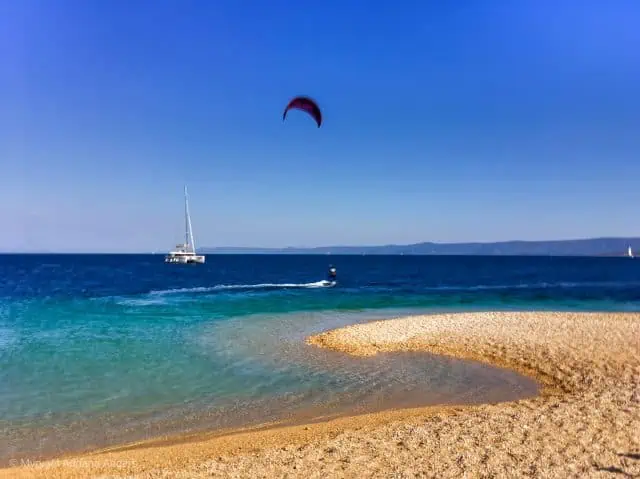
Rocky entries and boat traffic call for care even where the sea looks inviting. Cruise passengers should also check which swimming stops are included and which shore excursions cost extra. There is no automatic non-diver discount on a sightseeing cruise.
Fishes and Coral
Rocky reefs, sponges, gorgonians and Mediterranean fish give the dives their texture. Look closely for smaller life rather than planning around rare animals. Dolphins, turtles or a monk seal should never be sold as dependable scuba encounters. Good buoyancy and a hands-off approach protect the growth on reefs and wrecks.
Diving Safety
If you are planning an upcoming dive trip or travelling to Croatia, it is a really good idea to invest in travel insurance for scuba diving, because you never know what could happen and when you might need it (because accidents do happen!). I recommend this diving insurance as they offer worldwide coverage and focus on providing scuba divers a quality insurance and medical assistance service.
Croatia’s Adriatic coastline can charm from the surface and underwater. A good local base lets you enjoy both: a dive outing when conditions suit, then time to explore a harbour or settle into the evening ashore.
Frequently asked questions
Is Croatia mainly a dive-liveaboard destination?
Most recreational visitors use land-based centres and day boats. Many multi-night cruises are sightseeing holidays without scuba included.
When is the main diving season?
May to October is a broad coastal planning window. Water at depth and the northern Adriatic can be colder than a summer surface forecast suggests.
How much are two dives?
Pongo’s November 2026 list gives €88 per person, with equipment and certain trip supplements extra. Confirm the complete quote.
Are Croatian caves suitable for beginners?
No general assumption is safe. Overhead environments require appropriate training, equipment and access permission.
Can a companion snorkel from the boat?
Some operators sell specific snorkelling trips. Confirm the actual boat, fare, supervision and whether it runs with the dive outing.
Does Oscar include scuba diving?
Its reviewed programme is a small-ship sightseeing and swimming cruise. No scheduled scuba programme was verified.
Photos Croatia
Travel Guide
Now that you know all about the underwater world, you might want to start planning your scuba holiday! Check out our Croatia Travel Review for information about how to get there, activities and excursions, where to stay, and more.

I’ve dived in northern part, on Krk Island. Very nice dives, only small fishes, but nice rock formations under surface, and the traveling with the boat to the dive site is experience on its own – cliffs of Krk Island are very beautiful! They have also a few nice wrecks (Peltastis, Lena). Very affordable prices of accomodation and prices, but food on island is surprisingly expensive – if you go with a car, it’s a good idea to bring your own.