
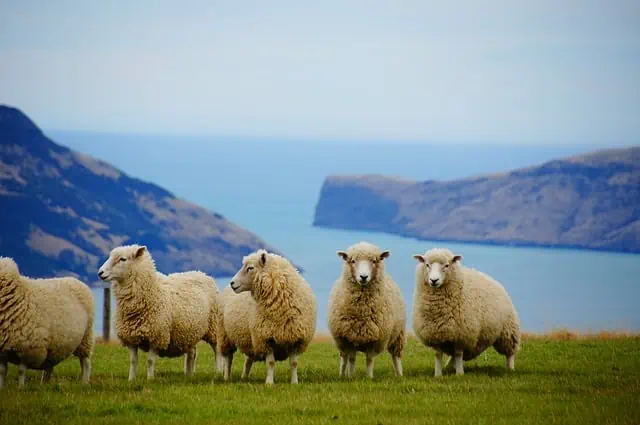

New Zealand is known for its beautiful land and seascapes, and a dive holiday can enjoy both. The most satisfying version usually leaves breathing room: a Northland base for boat days, then a separate stretch for road travel, walking or city time. The distances are too substantial to treat every celebrated place as a convenient day trip.
Planning information reviewed 9 November 2026.
In this page you will find practical information to plan a scuba diving trip to New Zealand:
Table of contents
Where to stay?

Tutukaka suits Poor Knights departures, while other Northland bases may better fit a wreck-focused operator. A nearby room with equipment-drying space and an easy breakfast arrangement can matter more than a long list of hotel facilities.
| Option | Price per person | What changes the total |
|---|---|---|
| Dive! Tutukaka certified-diver day | NZ$399 | Two dives and full equipment; travel and accommodation separate. |
| Snorkeller / passenger day | NZ$299 | Snorkel equipment and hot drinks listed. |
| IVL, where applicable | NZ$100 | Separate from visa or NZeTA application charges. |
Prices checked 9 November 2026: Dive! Tutukaka and Immigration New Zealand. Meals, car hire, fuel, accommodation and any rental excess cover complete the land-based budget.
Activities and excursions in New Zealand
Coastal walks, beaches and time around Whangārei give non-divers alternatives to a full boat day. Auckland offers an easy city extension. Farther south, the landscapes of Canterbury and Fiordland are a separate journey rather than convenient additions to a Tutukaka morning.
Mountain drives, hikes and scenic flights need to be scheduled with post-dive altitude exposure in mind. Putting the land circuit after an appropriate interval makes the itinerary easier to organise.
Watch the original destination video on YouTube. Earlier footage; access and conditions may have changed.

Best time to visit New Zealand
Summer and early autumn are attractive for combining Northland diving with walks and beaches. Winter brings a different pace and demands more attention to insulation and weather. A spare day around the main boat booking is useful in any season.
Health and Safety
Remote water access can make evacuation logistics important even in a country with established medical services. Diving cover should match the planned activity and include the relevant treatment and evacuation benefits. An operator’s emergency plan and medical screening deserve attention before remote outings.
Post-dive flights and mountain travel require suitable timing. DAN’s altitude and flying guidance helps explain why a free day is useful.
If you are planning an upcoming dive trip or travelling to New Zealand, it is a really good idea to invest in travel insurance for scuba diving, because you never know what could happen and when you might need it (because accidents do happen!). I recommend this diving insurance as they offer worldwide coverage and focus on providing scuba divers a quality insurance and medical assistance service.
Where is New Zealand located in the world?
The North and South Islands offer different travel circuits. For Poor Knights diving, the practical destination is Tutukaka in Northland, not a hotel on the offshore islands. A southern extension needs additional travel days and its own confirmed diving arrangements.
Arrival gateways and bases
Satellite reference views for trip planning. Named-place markers are approximate and are not entries, moorings or underwater navigation positions.
- Auckland AKL: International gateway, followed by a substantial Northland drive.
- Tutukaka: Overnight base for an early boat.
- Bay of Islands: Separate Northland base for local trips.
How to get to New Zealand?

Auckland is a useful international gateway for a Northland itinerary. The onward road journey to Tutukaka deserves its own day rather than an optimistic connection straight from a long-haul flight to a morning boat. Accommodation near the marina makes equipment check-in much simpler.
Flights between regions can save driving time, but every flight after scuba must fit an appropriate surface interval. A scenic flight and a domestic hop count as flights too.
Liveaboard itineraries
Two departure bases open up quite different weekends afloat. Sun Spy heads from Tutukaka to the Poor Knights; Hawere offers separate island programmes from Sandspit. These are return trips, with the same port used at the end. The map shows the outward connection; the skipper chooses individual dive sites and the actual track.
Indicative connections, not navigational tracks. Stops and timings can change with weather.
Sun Spy: Tutukaka–Poor Knights
- Tutukaka Marina — Departure and return marina; berth confirmed with the organiser.
- Poor Knights Islands — Island-group reference, not a dive entry. Two-day programme, returning to Tutukaka.
Hawere: Sandspit–Poor Knights
- Sandspit Wharf — Departure and return point for this Hawere programme.
- Poor Knights Islands — Two-day programme. Individual dive sites depend on conditions.
Hawere: Sandspit–Hen and Chickens
- Sandspit Wharf — Departure and return point for this Hawere programme.
- Hen and Chickens Islands — Archipelago reference, not a dive entry or anchorage.
Programme checked 9 November 2026. Sun Spy programme; Hawere Poor Knights; Hawere Hen and Chickens. Port and island markers are planning references, not dive entries or guaranteed moorings.
Choosing an overnight trip
Sun Spy’s shared sleeping space suits a sociable dive weekend. Global Dive lists its 2026 two-day trip at NZ$690 per person, or NZ$870 with full equipment hire, with a price increase announced for January 2027. Its programme is aimed at Advanced-qualified divers with recent experience. The marina is Tutukaka, not Sandspit.
Hawere’s two-day Poor Knights programme has bunk accommodation and includes meals and equipment hire. Another Hawere option combines Little Barrier and Mokohinau, with the overnight shelter at Little Barrier. Its published outline does not fix the order of the two island groups, so that programme is described here without an invented map track. The operator confirms the day-by-day plan around the weather.
Little Barrier is a restricted nature sanctuary, so a night near the island does not mean passengers may go ashore. The Department of Conservation’s access rules apply. Little Barrier–Mokohinau programme.
Do I need a visa for New Zealand?
Visa-waiver travel does not necessarily mean travelling without an electronic authorisation. Eligibility for an NZeTA, a visa or an exemption depends on passport and residence status. Immigration New Zealand’s NZeTA page gives the current application process and advises allowing 72 hours.
Many visitors also pay the International Visitor Conservation and Tourism Levy, currently NZ$100; nationality and visa exceptions apply. It is separate from the authorisation cost. Official IVL guidance, checked 9 November 2026. Travel-document, onward-travel and arrival-declaration requirements should be checked for the exact itinerary.
Getting Around

A rental car is convenient for Northland accommodation and dive transfers, but driving time should not be squeezed between an international arrival and an early boat. Public transport can help with major towns; the final connection to a marina needs specific planning.
A two-island itinerary adds ferry or flight logistics. A week centred on one diving region and nearby land activities will usually feel less rushed than a countrywide checklist.
The best practical improvement to a New Zealand dive holiday is often an extra night near the boat. It gives the weather some room and leaves the road trip feeling like part of the holiday rather than a transfer marathon.
Questions before you go
Where should a Poor Knights trip be based?
Tutukaka is the main boat gateway. The islands themselves are protected and cannot be used as an accommodation base.
Does a visa waiver remove the need for an NZeTA?
Not necessarily. Passport and residence status determine the requirement, with exemptions listed by Immigration New Zealand.
Can a mountain drive follow the last dive?
Altitude exposure needs appropriate post-dive planning, including travel by road. It should be considered alongside flight timing rather than treated as an unrelated activity.
New Zealand Photos
Scuba diving
You will find all information about sea life, best time to visit, top dive spots, etc. in our review: New Zealand Diving

Diving Reviews for this region
New Zealand
One diver remarked the only marine life he has not seen in New Zealand was a mermaid...
If you have been to New Zealand before, please share your experiences, ideas and feedback (Hotel, Excursions, General Feeling,…) in the comments section below, by doing so you will help fellow travellers to plan their next trip