The Japanese Wreck at Banyuning is small enough to enjoy at an unhurried pace. Coral and sponges soften the outline of the metal, and fish turn gaps in the structure into shelter. The nearby reef is part of the attraction too: a shallow wreck visit and a longer reef dive can be quite different experiences.
A small wreck with an uncertain history
The name “Japanese Wreck” is well established, but the vessel’s identity and sinking date are not. Two Fish Divers discusses the uncertainty and suggests that the remains may be those of a tug. Amed Jukung Snorkeling also treats the wartime story as local attribution. These accounts do not establish a Japanese patrol ship sunk during the Second World War as a confirmed identity.
There are two depths to distinguish. Amed Jepun Divers places the wreck at about 2–10 m; AquaMarine Diving describes it around 6–12 m. The surrounding reef continues down through deeper profiles. A depth quoted for that slope should not be mistaken for the depth of the wreck itself.
The reef beyond the metal
AquaMarine describes soft corals, sponges and sea fans on and around the wreck, with a reef section around 15–20 m and still deeper patches beyond. The guide can choose a visit focused on the shallow structure or a reef extension within the group’s limits. Seeing the deepest section is not necessary to enjoy the site.
Current and shore conditions
Scubago’s site account warns about upwelling currents and a pebble entry that becomes difficult in waves. Divezone readers have also reported changing current. Those historical reports are preserved below in their original words. Conditions need a fresh local assessment; they are not a forecast for your visit.
Enjoying the structure from outside
Close observation of the coral-covered framework offers plenty to see without entering confined spaces or touching the wreck. Good buoyancy keeps both delicate growth and silty sand undisturbed.
Fish to look for
Six fish groups documented by the local sources below. Illustrations are representative, and a record of a fish does not guarantee an encounter.
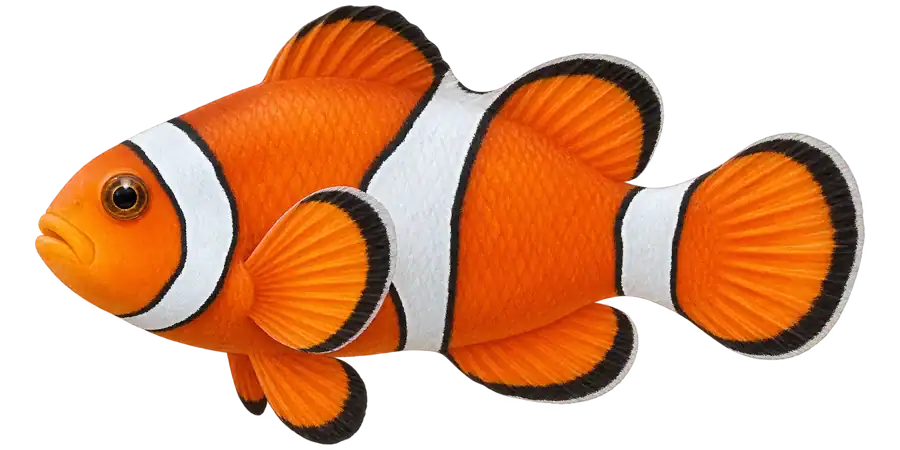
Anemonefish
Amed Jepun Divers and Scubago record clownfish at the wreck. This is a representative illustration, not a photograph or an exact local species identification.
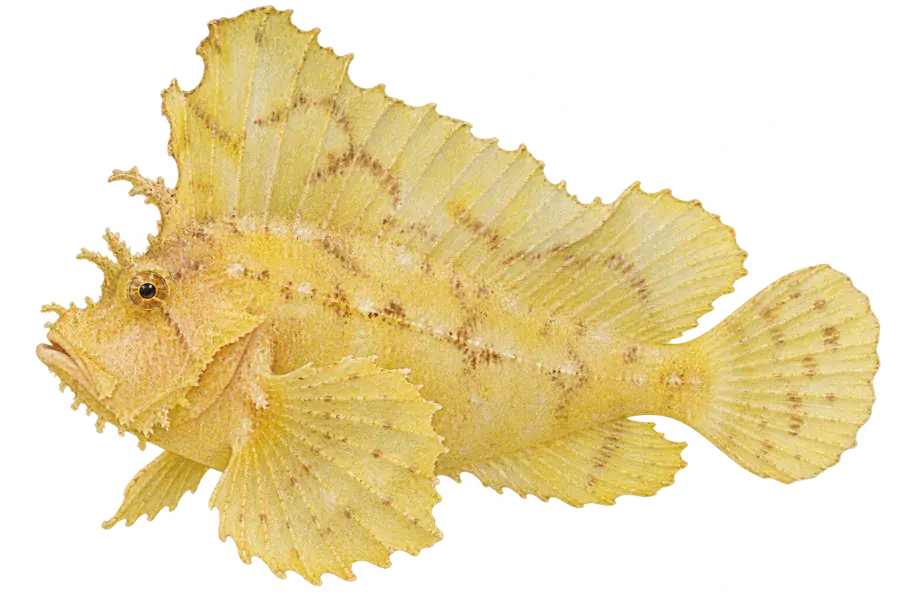
Leaf scorpionfish
Specifically recorded by Amed Jepun Divers. Colour varies, and the yellow illustration does not identify an animal currently resident.
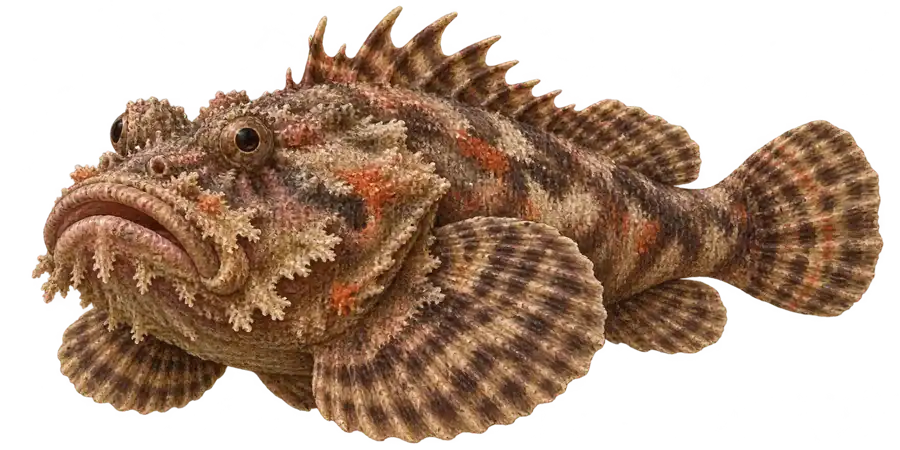
Stonefish
Included in the local operator’s site account. Their camouflage is a good reason to keep hands and fins clear of the bottom.
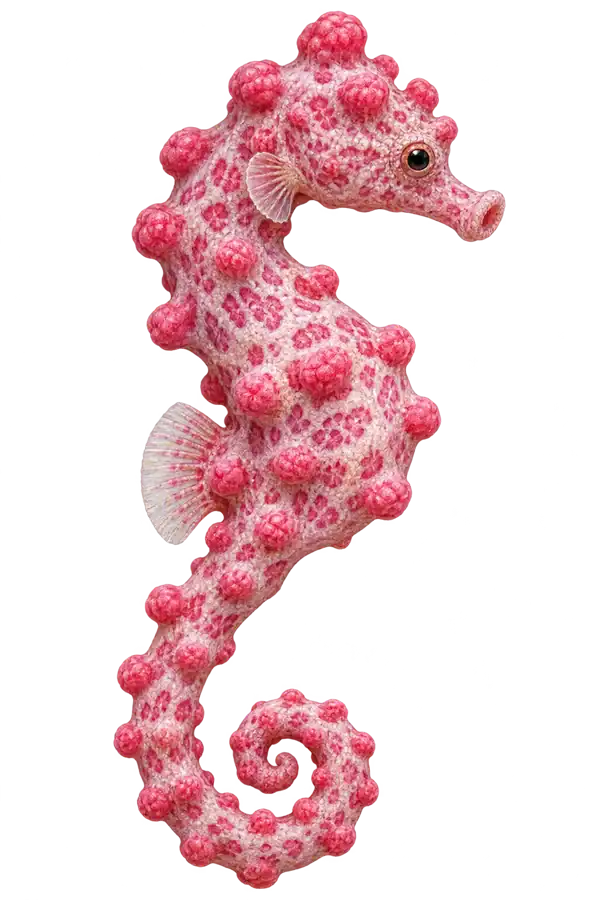
Pygmy seahorses
Both Amed Jepun Divers and AquaMarine record pygmy seahorses around sea fans. No particular occupied fan or encounter is guaranteed.
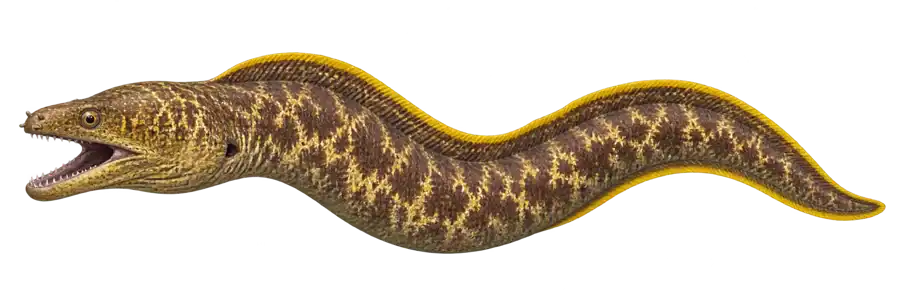
Moray eels
Recorded in the Amed Jepun Divers account. The yellow-edged moray artwork represents the group; that source does not identify the exact species.
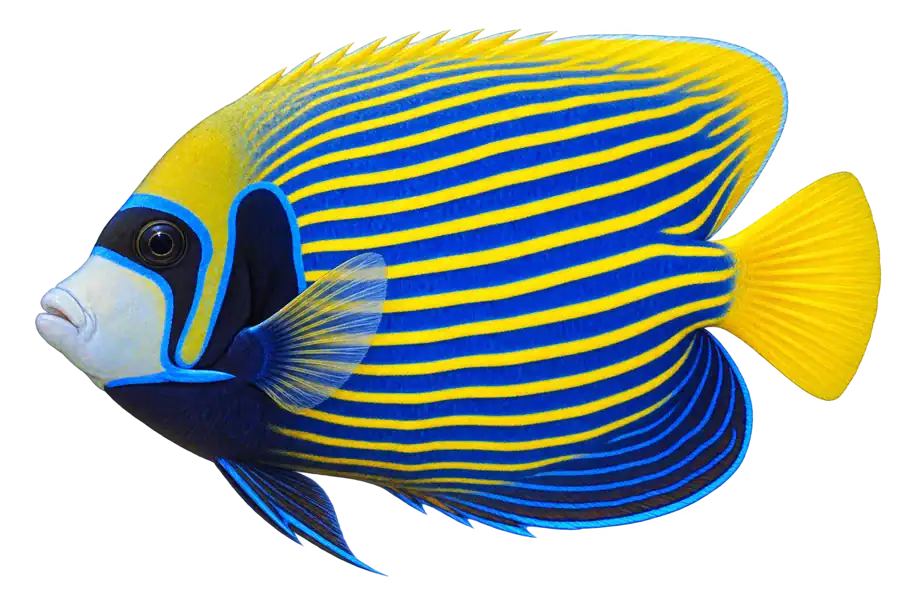
Angelfish
AquaMarine includes angelfish in its wreck-site account. The emperor angelfish artwork is a representative of the group, not a confirmed exact-species record.
Illustration and wildlife notes
AI-assisted illustrations created for Divezone in November 2026. They are not photographs or evidence of sightings. When an operator identifies a fish group rather than an exact species, the accompanying note makes that distinction explicit.
Location and local names
The site is off Banyuning on Bali’s northeast coast, beyond Jemeluk along the Amed coastal road. Some older descriptions use “Lipah Bay” loosely for this area. This is not the deep Japanese wreck near the Gili Islands. The former Gili access instructions and coordinates have been removed; the local operator should confirm the Banyuning entry.
Planning your dive
Is this wreck really a Japanese warship?
Its name is widely used, but the vessel’s origin and sinking date remain uncertain. A precise wartime identity is not established here.
Is the wreck a deep dive?
No. Operator descriptions put the wreck itself in shallow water, approximately 2–12 m. Greater depths refer to the surrounding reef slope.
Is this the Japanese wreck near the Gili Islands?
No. This page covers Banyuning on Bali’s Amed coast. The Gili Islands have a different, deeper wreck with a similar name.
Can non-divers snorkel here?
The shallow structure is visited by snorkeling operators. Suitability still depends on conditions, swimming ability and local guidance, including boat traffic and the shore entry.
Is the site always calm?
No. Surge and current, including upwelling in some accounts, can affect the site. A sheltered-looking bay is not a guarantee.
Share the details of your visit
Your visit date, the section you dived and the entry conditions help other divers understand the experience.
Sources and credits
Checked 17 November 2026: Two Fish Divers: uncertain identity and shore dive; AquaMarine Diving: wreck and deeper reef distinction; Amed Jepun Divers: shallow wreck and wildlife; Amed Jukung Snorkeling: history and snorkeling; Scubago: pebble entry and current warning. Historical wildlife observations are not promises of current sightings.
You can dive Japanese Wreck all year long. Access: from the Shore. This site is also known as Japanese Shipwreck; Banyuning Wreck
Fishes you may spot while diving Japanese Wreck
-
 Nudibranch
-
 Stonefish
... and more fishes & sea life, Anemonefish, Angelfish, Leaf Scorpionfish, Moray eels, Pygmy seahorses, Reef Fish

Photos
-
 Yellow Seahorse in Lembeh StraitPhoto by Agnes Tjandranegara
-
 Blue Nudibranch in Lembeh StraitPhoto by Rich Guest
-
 Hand Drawn Nudibranch Black Patterns On WhitePhoto by Jihye Lee
-
 White Black NudibranchPhoto by Jihye Lee
-
 Black Orange Nudibranch On Yellow ReefPhoto by Jihye Lee
-
 White Nudibranch Reef Koh Lanta ReefPhoto by Rich Guest
-
 Spiked Yellow White Black NudibranchPhoto by Jihye Lee
-
 Yellow White Blue Black NudibranchPhoto by Jihye Lee
-
 Blue Spotted White Purple NudibranchPhoto by Jihye Lee
-
 Stonefish At NightPhoto by Agnes Tjandranegara
Diving Reviews for this region
Amed
Amed combines volcanic-sand macro dives, shallow reef gardens, artificial reefs and deeper walls. Shore entries and short jukung trips make a rewarding east-Bali base, with sites chosen for experience and conditions rather than a promise of current-free diving.
Dear Sirs,
Have anyone discovered wrecks of Russian-Japaneese war 1904-1905 in Tsushima?
this dive is quite shallow, 2 meters to top of wreck and approx 7-8 meters at deepest part of the wreck. It’s not 45m or a “very deep dive”. You could go deeper if you dive down the sand slope, but it’s hardly part of the dive site down in the sandy gloom. Lots of life, healthy coral and tropical fish. Good for snorkelers or Scuba. Beach dive, swim out 15 meters to get to the bow.
I have dived this site numerous times so whoever wrote the description of the dive knows nothing about the dive. The Japanese shipwreck lies in only 2-12metres of water so the “deep dive” 45m is wholely incorrect.
Current – unpredictable. I have dived this site numerous times. Sometimes no current. Last dive very strong current west to east around the bay. This combined with a thermocline at only 15-20metres and a strong upwelling of cold water resulted in pushing the divers not only away from shore around the reef but upwards. We all had to swim down and hold onto the reef.
Visibility is invariably very good on this dive.
Hi divers!
We are very sorry for the obvious mistake that was in the information given above. Not sure how this happened, but it’s now giving the accurate description of the site. Thank you for bringing this to our attention.
Safe bubbles!
Hi!
I thank you for your blog post about the Japanese wreck in Amed. It helped me to get inspired to write my post about “12 Things To Do in Amed Bali”. I really liked the way you wrote as well! If you don’t mind, I used your page as a hyperlink, as my readers can refer to your page.
LINK REMOVED
If you wish me to remove it or have more information, please feel free to contact me. (No spam, I promise!)
Kind Regards,
Marine