
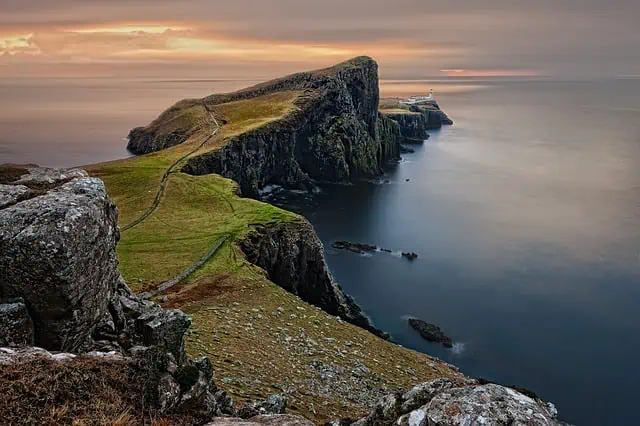
A Scottish diving holiday works best around one region: Orkney for Scapa Flow, the southeast coast for St Abbs, or a west-coast base such as Oban. Shetland is a separate island journey. Trying to join them all in a short week can leave more time in transit than underwater.
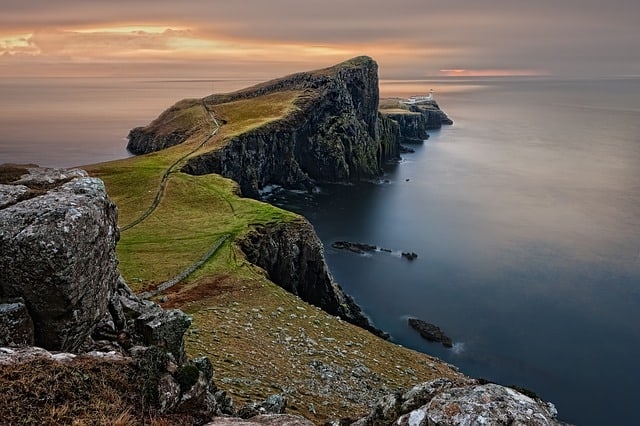
Scotland offers wide-open landscapes, old architecture and lively modern cities. Island hopping is not just a tropical pastime: the beaches, harbours and changing light here give it a character of its own.
Travel information checked November 2026.

In this page you will find practical information to plan a scuba diving trip to Scotland:
Table of contents
Where to stay?
Boat berth or room ashore?
Stromness suits many Scapa Flow departures; Oban works for west-coast plans; a St Abbs trip can use a nearby southeast-coast base. Scotland offers hotels, guesthouses, hostels and self-catering accommodation, but drying space, parking and the distance to the harbour can matter more than a star rating.
A liveaboard such as Valhalla includes sleeping aboard. A Huskyan package may use Divers Lodge ashore. A published 1–7 August 2027 organiser package lists £1,500 per person by card for six nights in the lodge and five diving days, with food, nitrox and helium extra. This dated example is not a universal or all-inclusive Scottish rate. Travel to Orkney, insurance, equipment hire and meals complete the budget; a non-diver needs a separate quotation.
Activities and excursions in Scotland
Castle visits, coastal walks, museums and distillery tours can sit naturally beside a diving holiday. Loch Ness is worth visiting for the landscape even if its famous resident fails to appear. Activities close to your base leave more time to enjoy them; Scotland’s highlights are not all a short drive apart.
Travelling with a non-diver?
Orkney offers shore-based history and scenery, including the Churchill Barriers and the Italian Chapel. A companion staying ashore can explore independently while divers are out. The Scottish Wildlife Trust’s snorkel trails are another planning resource, with site-specific access and safety guidance.
For a dive charter, acceptance of non-divers, their fare and any organised shore visits must be confirmed on the actual departure. No verified non-diver discount is published in the material used here. Liveaboard routines can be built around wrecks rather than sightseeing, so an independent shore stay may suit a mixed group better.

Best time to visit Scotland
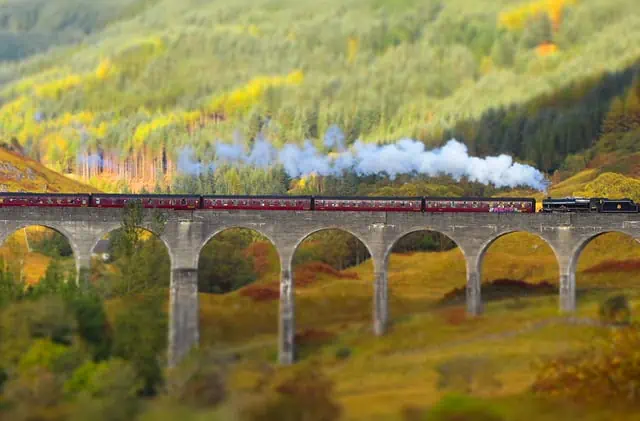
Layers make more sense than trusting one forecast for the whole week. Summer offers long daylight hours; spring and autumn can be quieter, with shorter days and greater flexibility needed around sea travel. For diving, April–October is a useful starting window, while individual charter seasons vary. The Northern Isles can feel cool on deck even in summer.
Health and Safety
Insurance needs to cover the planned dive depths and any technical activities, as well as emergency evacuation and repatriation. Eligibility for NHS treatment depends on circumstances and is not a replacement for travel insurance. Medication, certification, logbook and operator contacts are useful to have readily accessible.
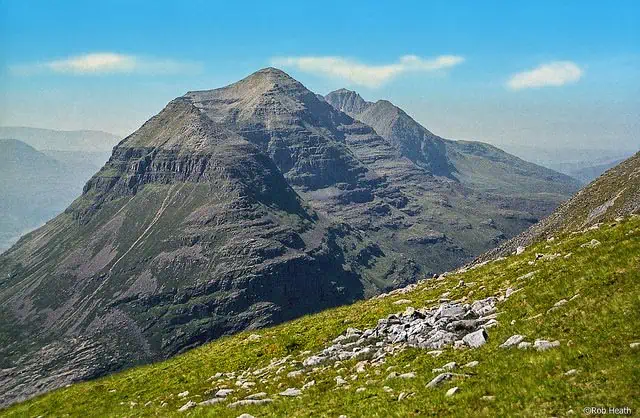
Waterproof outer layers and warm clothes improve deck time; advance equipment and cylinder arrangements make arrival simpler. Flights and high-ground excursions require a suitable interval after diving. DAN’s guidance and advice tailored to the actual dive profiles provide the basis for planning, including mountain walks.
If you are planning an upcoming dive trip or travelling to Scotland, it is a really good idea to invest in travel insurance for scuba diving, because you never know what could happen and when you might need it (because accidents do happen!). I recommend this diving insurance as they offer worldwide coverage and focus on providing scuba divers a quality insurance and medical assistance service.
Where is Scotland located in the world?
Scotland occupies the northern part of Great Britain and includes many offshore islands. It is part of the United Kingdom. Orkney and Shetland are separate archipelagos, with different arrival points and transfer arrangements.
How to get to Scotland?
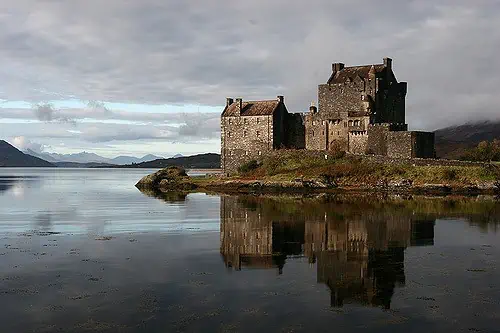
Edinburgh, Glasgow, Aberdeen and Inverness are useful mainland gateways depending on the trip. For Orkney, flights arrive at Kirkwall, while ferry routes have their own ports. Stromness is a common Scapa Flow dive base. For Shetland, Sumburgh Airport and Lerwick are different locations: a flight still requires a ground transfer to the boat.
Valhalla’s travel information explains options for reaching Orkney. The operator’s check-in time and actual berth determine which transport connection is practical. An arrival buffer is worthwhile when a weather-affected connection could cost the first diving day.
Arrival and transfer map
Select an arrival option to see the road connection. These are planning examples between named arrival and base areas, not a booked transfer, a cruise itinerary or a guarantee of road access. The operator’s exact meeting point and current journey conditions take precedence over this planning map.
-
A land transfer within Orkney to a common Scapa Flow diving base. The actual boat berth comes from the operator’s joining instructions.
-
A separate Shetland arrival plan. Lerwick and Stromness are not interchangeable joining ports.
The paired Diving guide contains the separate dive-site map. Boat stops depend on the operator, weather and the group; the road map does not prescribe a diving itinerary.
Do I need a visa for Scotland?
Scotland follows UK entry rules, not Schengen rules. A visitor may need a visa or an Electronic Travel Authorisation depending on nationality and status. EU nationality alone no longer means unrestricted visitor entry without checking documents.
The official UK ETA application page lists a £20 fee as checked in November 2026. British and Irish citizens are among the exceptions; other exemptions depend on status. The official eligibility guidance explains the rules for each passport. An ETA is permission to travel, not a guarantee of admission or a substitute for a required visa.
Getting Around
Scotland has a well-developed transport network between its main towns, but a remote harbour may not have a convenient early bus. Trains and coaches can be an enjoyable part of the journey; ferries make it possible to take a vehicle and dive equipment to some islands. Timetables, vehicle spaces and baggage allowances need checking for your dates.
A compact itinerary is usually kinder to both the budget and the holiday. After a dive week in Orkney, a mainland touring extension can be planned separately rather than squeezing a long transfer into the final diving day.
A good Scottish trip leaves room for both the diving and the journey. Once the boat, sleeping arrangements and arrival point are settled, a few shore days can fit comfortably around the diving.
Frequently asked questions
Does Scotland have different visa rules from England?
No. Scotland follows the same UK immigration framework.
Do EU visitors need to check ETA rules?
Yes. Requirements depend on nationality and status; the official eligibility checker explains the applicable rules.
Is Kirkwall Airport beside the Stromness dive boats?
No. An onward road transfer is needed, and the actual boat berth and meeting time must be confirmed.
Is Huskyan accommodation necessarily aboard?
No. Published packages can include Divers Lodge ashore. The exact accommodation arrangement matters when choosing a package.
What should I add to a charter price?
Travel, equipment or gas extras, meals not included, insurance and pre- or post-trip nights can all change the total.
Is a liveaboard ideal for every non-diver?
Not necessarily. Acceptance and activities depend on the departure; an independent shore stay may provide a more enjoyable holiday.
Scotland Photos
Scuba diving
You will find all information about sea life, best time to visit, top dive spots, etc. in our review: Scotland Diving

Diving Reviews for this region

Scotland
Scapa Flow wrecks, rocky reefs and sea-loch life for well-prepared cold-water divers.
If you have been to Scotland before, please share your experiences, ideas and feedback (Hotel, Excursions, General Feeling,…) in the comments section below, by doing so you will help fellow travellers to plan their next trip