Budak Wreck, also called Anker or Anchor Wreck, is a scattered wooden wreck off Menjangan. The shallow anchor and the deep remains are two very different dive objectives.
An anchor, scattered remains and an uncertain history
AquaMarine describes an unidentified wooden boat, with an anchor in shallow water and remains extending down the slope to around 50 metres. Accounts often suggest a nineteenth-century vessel, but its identity and sinking date are not established. The “Kapal Budak” name does not prove a particular cargo or historical story.
The site is not an intact hull to swim through. Fragments, bottles and metal fittings form an archaeological setting within the reef; removing an object would take away part of what later visitors can see.
Wreck visit or wall dive?
Some trips use the shallow anchor as a starting reference for a wall dive without visiting the deep remains. That distinction belongs in the booking conversation. Sea Rovers places the far end around 46 metres and notes that current can run along this coast.
There is no universal bottom time for this site. Gas planning, depth, previous dives, training and conditions all affect the plan. Nitrox is not an automatic solution for a deeper wreck: the chosen mix has its own maximum operating depth. A shallower wall route may be the appropriate alternative.
Fish to look for
Six fish groups documented by the sources below; broader island or neighbouring-sector records are identified in each note. Illustrations are representative, and a record of a fish does not guarantee an encounter.
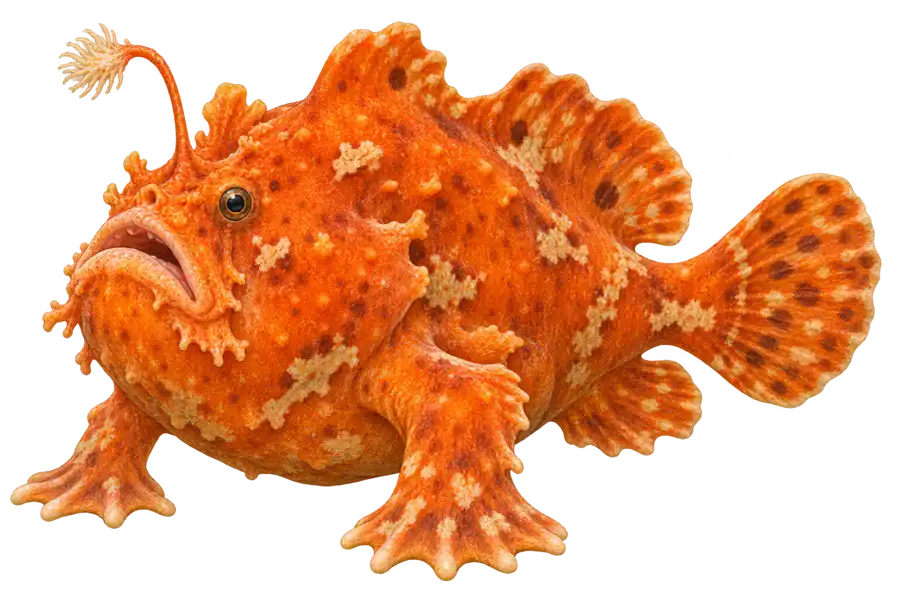
Frogfish
AquaMarine’s Anker Wreck account records this fish group. The illustration is representative rather than a species identification or a guaranteed encounter.
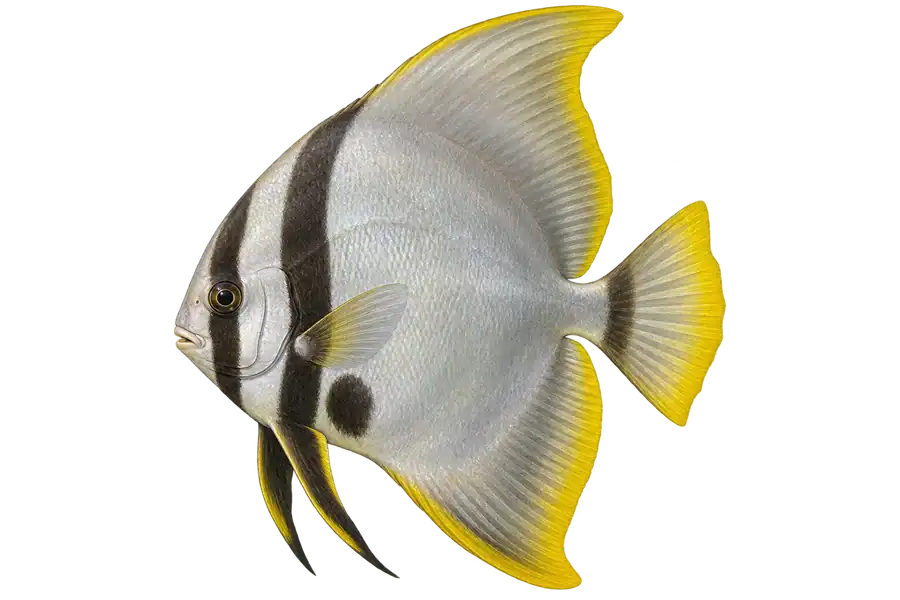
Batfish
AquaMarine’s Anker Wreck account records this fish group. The illustration is representative rather than a species identification or a guaranteed encounter.
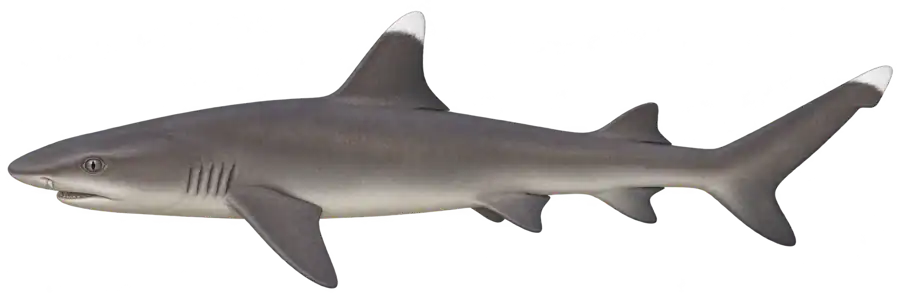
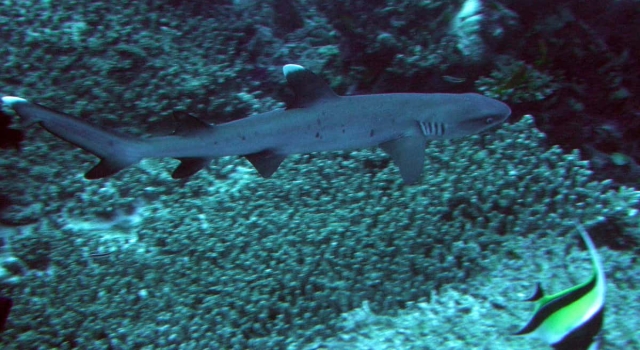
Whitetip reef shark
Nico Dives Cool records whitetip reef sharks in the wreck area; sightings are not assured.
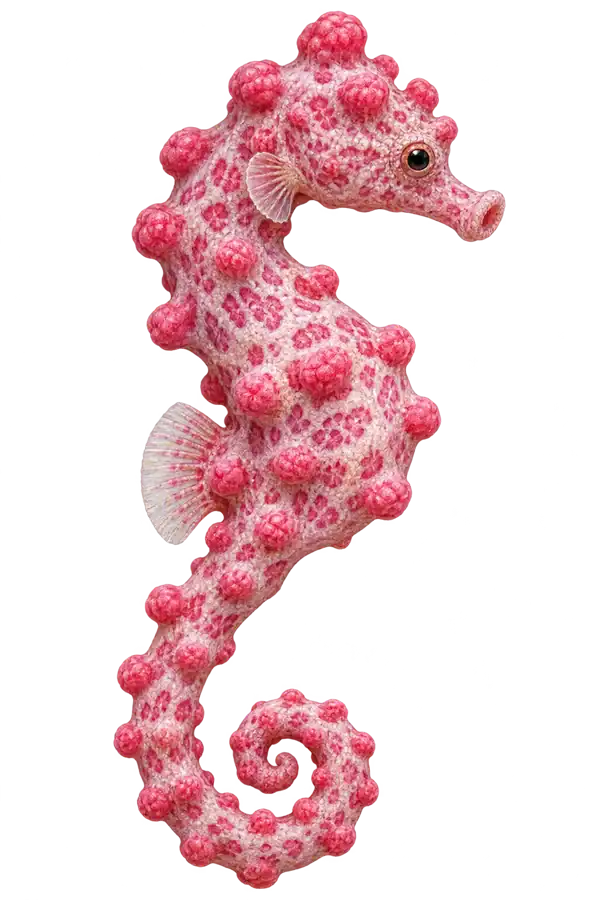
Pygmy seahorses
Bali Aqua’s Anchor Wreck reef-and-wall route records this fish group. The illustration is representative rather than a species identification or a guaranteed encounter.
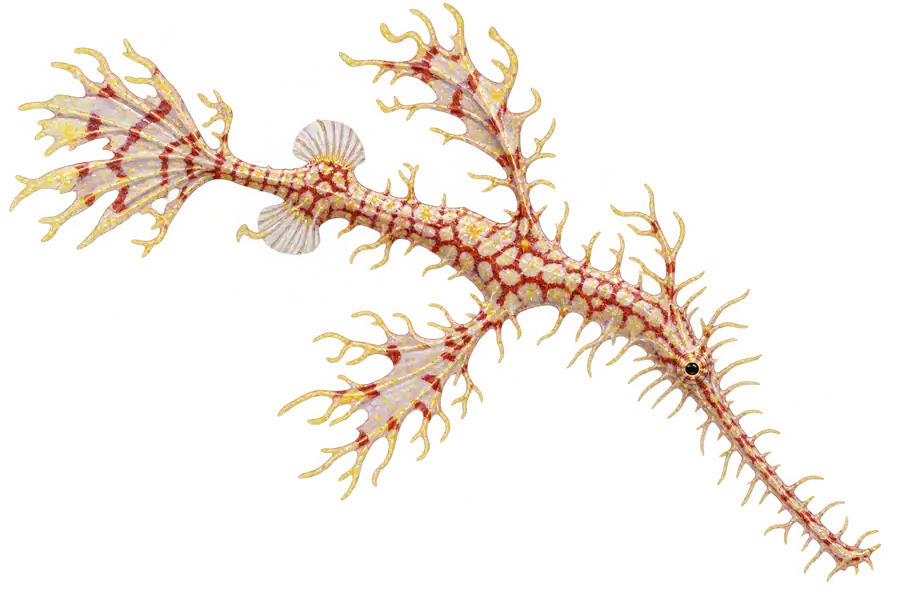
Ghost pipefish
Bali Aqua’s Anchor Wreck reef-and-wall route records this fish group. The illustration is representative rather than a species identification or a guaranteed encounter.
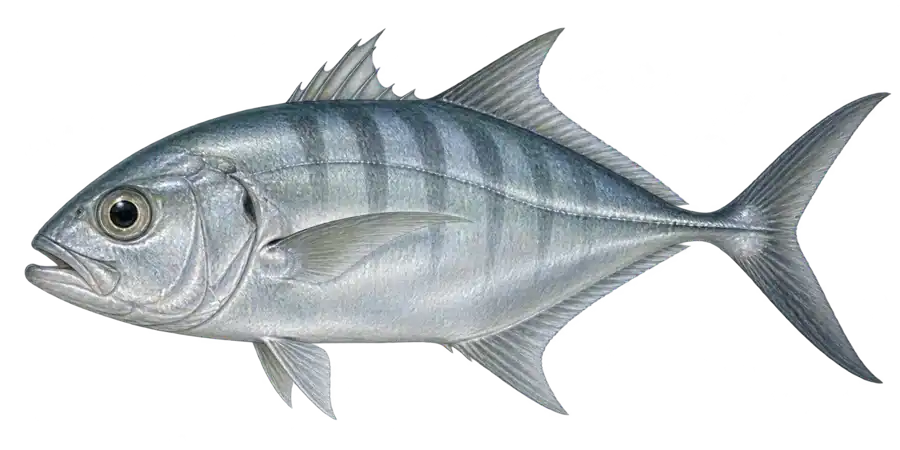
Trevally
Bali Aqua’s Anchor Wreck reef-and-wall route records this fish group. The illustration is representative rather than a species identification or a guaranteed encounter.
Illustration and wildlife notes
AI-assisted illustrations created for Divezone in November 2026. They are not photographs or evidence of sightings. When an operator identifies a fish group rather than an exact species, the accompanying note makes that distinction explicit.
Location and local names
Budak, Kapal Budak, Anker Wreck and Anchor Wreck refer to this Menjangan wreck area. The shallow anchor is a reference feature, not evidence that the wreck can be visited on a shallow profile. This is distinct from Kubu’s modern Boga wreck in east Bali.
The map marks the Budak Wreck survey reference in the Bali Marine Rapid Assessment Program 2011, chapter 4, Table 4.1 (p. 70), checked 18 November 2026: -8.09171°, 114.50653°. This is a historical research location, not a current entry, mooring or dive route. The operator confirms the actual dive sector and access for the day.
The report names this station “Anchor Wreck”. Its marker is not a surveyed position of the hull or an indication of wreck depth; the reef station and the deep wreck must not be treated as interchangeable.
Planning your dive
How deep is the actual wreck?
Descriptions place the first remains near 30 metres, with pieces continuing to approximately 46–50 metres. The anchor at 6–8 metres does not represent the wreck depth.
Does an Advanced card automatically qualify me?
No. The actual planned depth, training, recent experience and operator assessment matter. Some remains lie beyond ordinary recreational depth limits.
Can Nitrox give everyone more wreck time?
No. Suitability depends on the analysed mix and its operating-depth limit as well as the whole dive plan. A fixed time or generic gas recommendation would be misleading.
Share the details of your visit
Your visit date, the section you dived and the conditions help other divers understand the experience.
Sources and credits
Checked 17 November 2026: AquaMarine: identity and depth; Sea Rovers: wreck and wall routes; Bali Aqua: Anchor Wreck reef wildlife; Nico Dives Cool: wreck wildlife; Divers Alert Network: Nitrox and operating-depth limits. Historical wildlife observations are not promises of current sightings.
You can dive Budak Wreck all year long. Access: Boat. See the map of Budak Wreck on the right for the exact location. This site is also known as Anker Wreck; Anchor Wreck; Kapal Budak
Fishes you may spot while diving Budak Wreck
-
 Whitetip Shark
... and more fishes & sea life, Yellow Stripe Snapper

Photos



Diving Reviews for this region

Menjangan Island
Menjangan’s reef shelves and coral-covered walls reward unhurried diving and snorkelling from mainland bases in northwest Bali. Clear water and sea fans are part of the appeal, with profiles and site choices matched to conditions and experience.