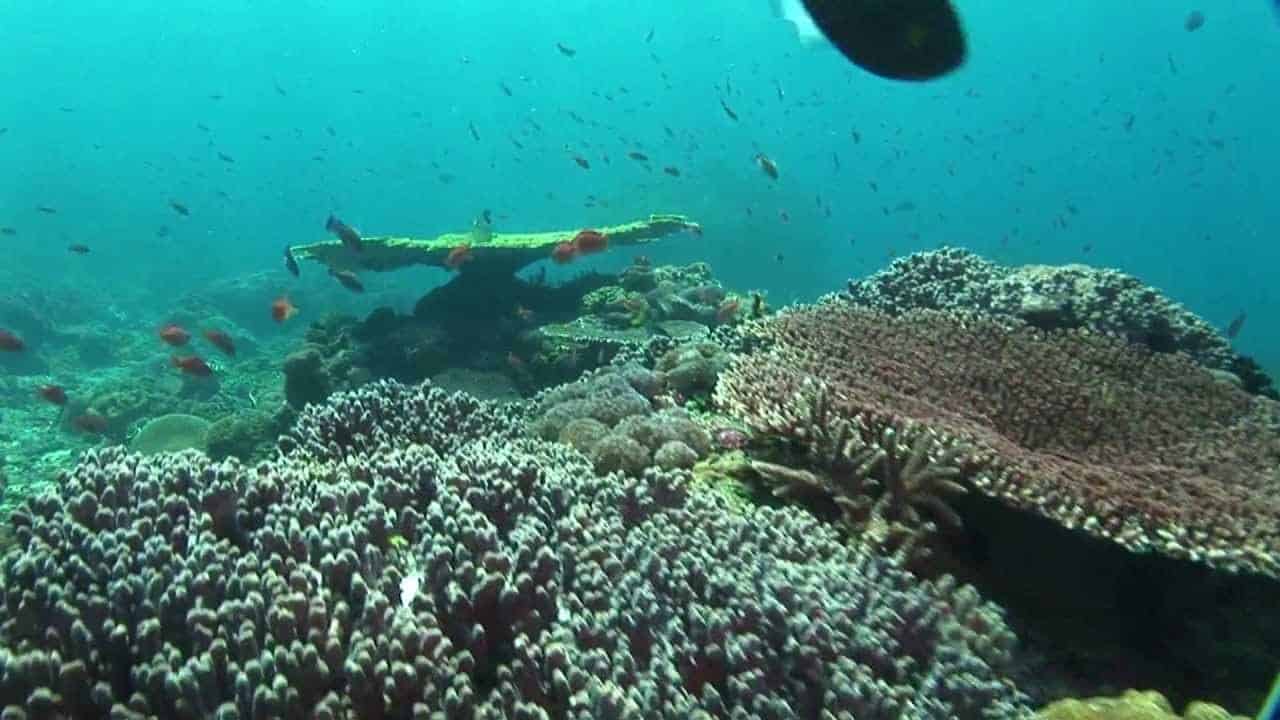


Manta Point has a particular kind of suspense: a rocky reef below, a cleaning station ahead, and the possibility of a broad-winged silhouette arriving from the blue. It is one of Nusa Penida’s best-known manta dives, but the appeal comes with an exposed southern-coast setting. A flexible boat plan matters as much as a camera.
Meet the reef
Six fish groups documented for Manta Point by Reeflex. Illustrations are representative; sightings are never guaranteed.
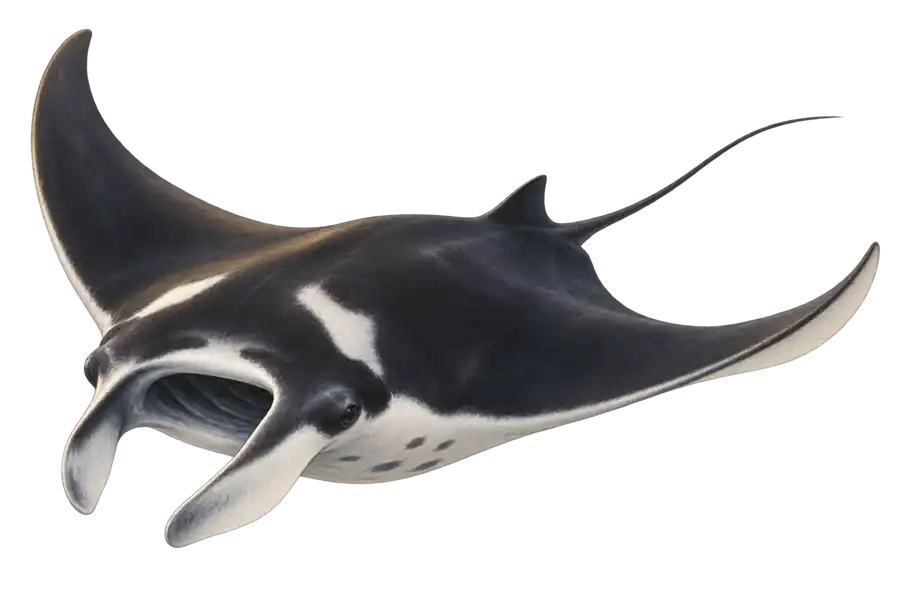
Reef mantas
The cleaning stations are the headline attraction. A visit is possible year-round, but even an excellent plan cannot promise a manta.
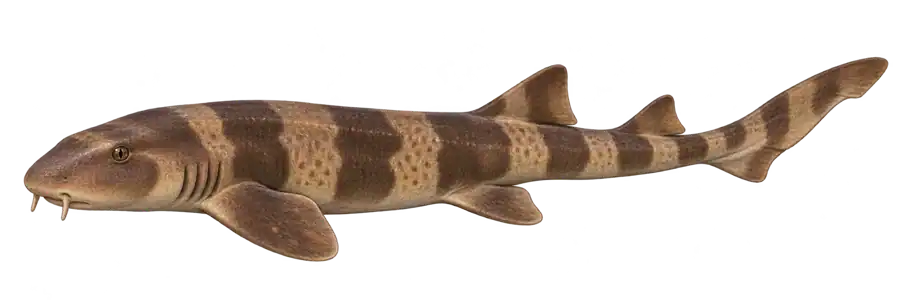
Bamboo sharks
Reeflex documents these bottom-dwelling sharks around the rocky shelters. A quiet look at the reef can be rewarding between manta encounters.
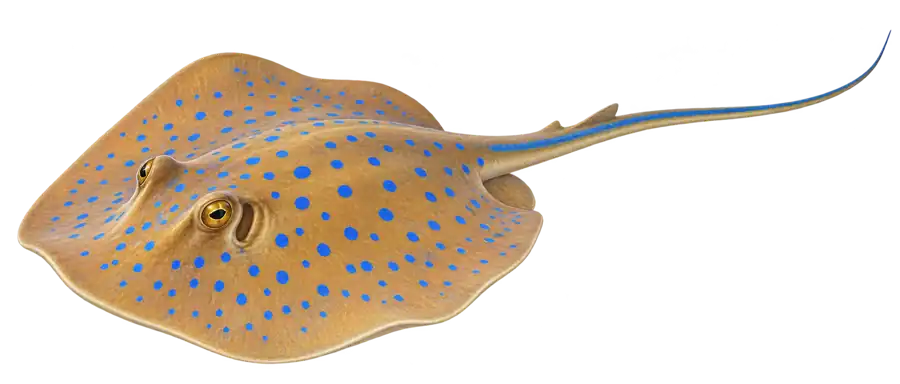
Blue-spotted stingrays
These smaller rays are another reason to notice the seabed instead of looking only above it.
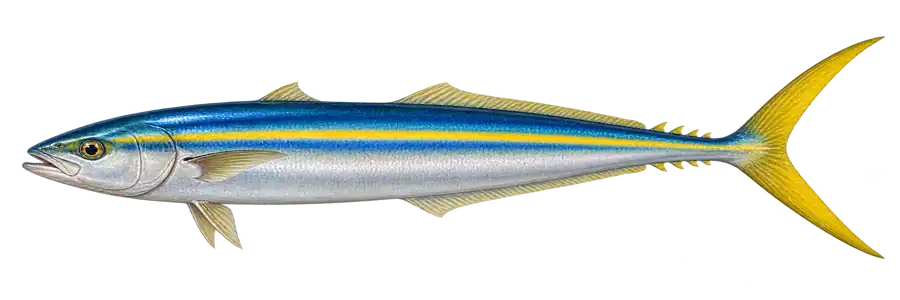
Rainbow runners
Listed for Manta Point by Reeflex, these fish add a different, more streamlined silhouette to the blue.
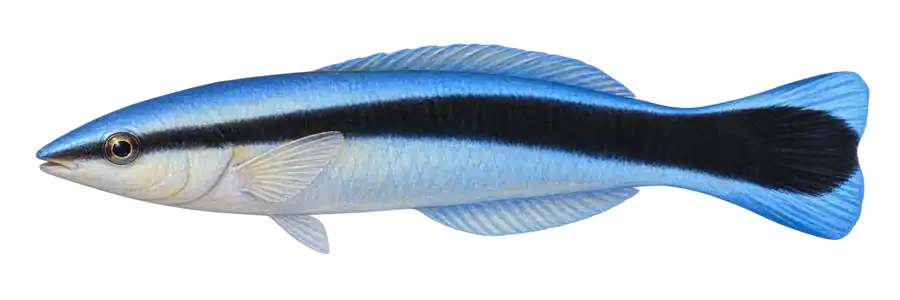
Cleaner wrasses
The small fish doing the cleaning are part of what makes a cleaning station work. The operator describes wrasses attending visiting mantas.
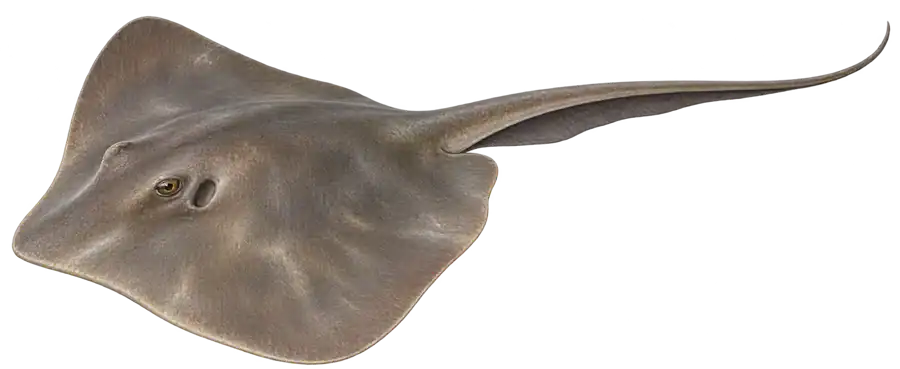
Cow-tail rays
Reeflex records these rays around the sandy areas beyond the rocky reef. Their presence on a particular dive is never assured.
Wildlife evidence and illustration notes
The fish groups follow Reeflex’s Manta Point guide, checked 17 November 2026. The AI-assisted artwork is representative and does not document an encounter or establish an exact species identification. Photographs of actual visits remain in the opening gallery.
A cleaning station, a rocky plateau, a deeper edge
The main cleaning station is one feature of a larger seascape. Reeflex’s plan shows limestone cliffs behind a shallow, boulder-strewn margin, with rocky reef extending towards sandy areas and a wall. The drawing below simplifies those relationships; it does not indicate a route or where a diver should enter the water.
For information only — do not use this diagram to plan or navigate a dive. This original symbolic drawing interprets the broad features of Reeflex’s site plan, inspected 17 November 2026. It is not a survey and does not replace the operator’s current briefing.
Conditions shape the day
Light current and easy diving are not the same thing here. Swell can move divers back and forth above the reef and make the boat journey uncomfortable or prevent the visit altogether. Reeflex gives a broad site range of 7–30 m and visibility around 5–15 m; those figures describe typical possibilities, not the depth or visibility of your own dive.
A useful conversation with the dive centre covers recent experience, buoyancy, cold-water comfort and an alternative if the southern coast is unsuitable. The best backup is a dive that suits the group, rather than insisting on a famous name. Around the cleaning stations, keeping clear of the animals’ path and avoiding contact with the reef gives both mantas and divers more room.
Where is Manta Point?
The site is on the southern coast of Nusa Penida, Bali. The approximate reference position below, −8.79547°, 115.52553°, follows Bali Diving Co’s site listing. It identifies the dive area, not a mooring, entry point or navigational waypoint.
Manta Point on film
Kriss Na Bali’s existing film visits both Crystal Bay and Manta Point. It offers context for the two sites, rather than a current-conditions report or a Manta Point-only route.
Before the next boat ride
Is this the same Manta Point as Komodo?
No. This page covers southern Nusa Penida in Bali. Komodo’s Manta Point, also called Karang Makassar, is a different site with a different trip and conditions.
Are mantas guaranteed?
No. Encounters are possible year-round, but mantas are wild animals. A booking or a particular month does not guarantee that they will visit the cleaning station.
Does shallow water make it suitable for a beginner?
Not automatically. Swell, surge, visibility and recent experience matter. The operator assesses the actual conditions and your suitability; a shallow station is not a blanket admission rule.
Can a non-diving friend come?
A boat place does not automatically include a suitable snorkelling activity. The operator needs to confirm supervision, surface conditions and the alternative plan for that day.
Why do the photographs look different?
The gallery records separate visits in 2009, 2011 and 2017. Water clarity, light and animal encounters vary; these archive photographs do not show today’s conditions.
Your dive can help the next diver
When you visited, how the sea felt and what surprised you make a useful Manta Point story.
Sources and photograph credits
Information checked 17 November 2026. Reeflex Divers: site character, wildlife, conditions and plan; Bali Diving Co: location and access. Photo dates, authors and reuse licences appear beside every photograph. The archive gallery is not evidence of current visibility or guaranteed sightings.
You can dive Manta Point all year long. Access: Boat.
Fishes you may spot while diving Manta Point
-
 Manta Ray
... and more fishes & sea life, Bamboo Shark, Blue-spotted Stingray, Cleaner Wrasse, Cowtail Ray, Rainbow Runner

Photos
-
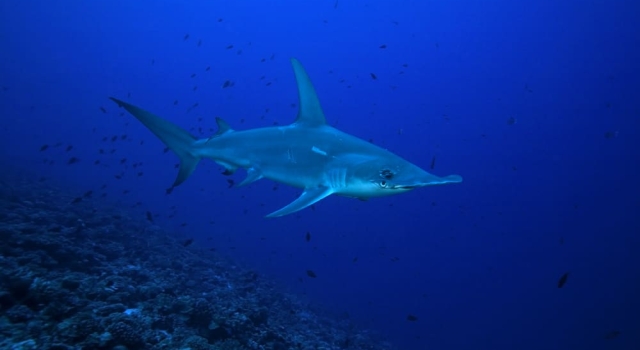 Huge Hammerhead Shark patrolling the reef in French PolynesiaPhoto by Yann Hubert
-
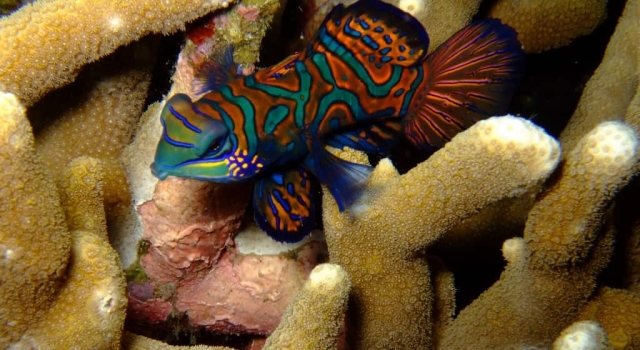 Beautiful & Colorful Mandarin FishPhoto by Rich Guest
-
 Yellow Seahorse in Lembeh StraitPhoto by Agnes Tjandranegara
-
 Clown fishes waiting in front of their blue anemone housePhoto by Jihye Lee
-
 Blacktip Shark patrolling the crystal clear water... EPIC photo!Photo by Yann Hubert
-
 Lion Fish swimming in crystal clear waterPhoto by Agnes Tjandranegara
-
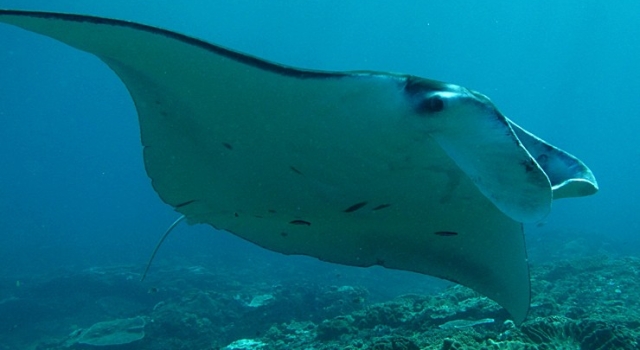 Flying Ray Manta in Bali!Photo by Jihye Lee
-
 Surreal LifePhoto by Jihye Lee
-
 Koh Tao Underwater StructurePhoto by Jihye Lee
-
 Beige Blue White NudibranchPhoto by Rich Guest
Diving Reviews for this region

Nusa Penida / Nusa Lembongan
Manta cleaning stations, seasonal sunfish and lively coral drifts make Penida and Lembongan memorable. The best dive is the one matched to the current, swell and experience of the group.
Liveaboard Reviews in Nusa Penida / Nusa Lembongan
KLM Sea Safari VII
Sea Safari VII suffered a serious fire near Pulau Penga, Labuan Bajo, on 2 May 2024. This page preserves the earlier boat profile and reader discussion; it is no longer a current booking recommendation. Sea Safari VII does not appear in the operator’s
After Tulamben’s USAT Liberty shipwreck, Manta Point is probably Bali’s second most popular dive site. Manta Point is actually more than just one dive site. The Manta Alfredis are present all along the West coast of Nusa Penida. Operators choose to dive in different spots along that coast depending on the conditions and the presence of the rays.
Some areas are better suited to witnessing a particular behavior. There are both cleaning stations and feeding grounds, deeper walls and shallow plateaus. Mantas that can be seen here range from 1m in size to 3-4m.
The great thing about this dive site is that the rays can be seen all year round. There may be more during the months of April and May. However, they are sighted on almost every trip.
If you get bored of the mantas, you may look elsewhere and be surprised by the sheer number of blue spotted stingrays that love this areas. There are sometimes hundreds of rays together on the sandy areas or on top of soft corals. Turtles and nurse sharks are also quite common here. It’s also a great place for rare nudibranches!
While this site is accessible to any certified diver, it is recommended that divers have dived recently before heading to this dive spot. Some dive centers may ask divers to dive on a different site first in order to see how comfortable they are in the water.
There are no currents here. However, swell can make diving difficult or inaccessible to divers with poor buoyancy skills. Definitely not a place for Discover Scuba Divers! Snorkeling is better suited if you haven’t completed a dive course yet.
This dive site can be dived from Sanur or Padang Bai in mainland Bali. Operators from Nusa Lembongan also offer trips to Manta Point.
By Cedric Saveuse
Any recommendations to good dive centres/operators for Manta Point? If I come from the mainland? Thank you!
Spotted 10 mantas yesterday (April 15, 2018), one of the missing his tail, black with white spots on his head. Current was really strong but shifting left and right. Rather murky waters, visibility only up to 10 meters. Cold currents sometimes came from the sea directions. We stayed for 51 minutes watching this graceful ballet of the mantas.
We also see some groupers, several surgeon fish. Not so many corals, as this is a sandy slope. Maximum depth was 10 meters.
I used Penida Dive Center with Stiva as our dive master
March 2018 we went out with a diving group to Manta Point, however my fiance and I chose to snorkel while everyone else dove. The trash our group encountered was astounding, completely unexpected, and of course, heartbreaking. We DID see manta rays. Even from our snorkel vantage point near the water’s surface, and with the water being murky – somewhat cloudy and somewhat brown (because it was March and had just rained the night before) – we still had several manta sightings. The divers of course had even better up-close experiences with the manta. What has compelled me to write a review, though, is the trash. One of our very experienced dive guides said she had never seen it so bad and that maybe it was due to the rain. After returning from our trip we found other videos of divers encountering significant trash there as well – not sure if it’s seasonal or rain related. To be safe, if anyone in your group is considering snorkeling, advise them to wear a wetsuit! I was offered one but declined because I did not expect to be swimming with bare skin amid so much trash. Despite the possibility of encountering the real world effects of human pollution, I recommend doing this dive because there are still manta and most importantly to experience how significant the trash problem is and what we are doing to the mantas’ home. It gave us motivation to support much-needed ocean clean-up projects. Also, the same day we snorkeled at Crystal Bay which is closeby, at the same island, and the waters were crystal clear, with beautiful colorful coral and fish. It was such a stark comparison to see still-spectacular Crystal Bay after Manta Point on the exact same day.
I was not luck, visibility was very poor and strong swell, no mantas spotted. The dive at Toyapakeh, before Manta point was great tho, we even saw the Mola.
Absolutely loved the manta point dive. We saw a huge manta ray followed by several small cute ones. Just before we finished our dive, we saw 3 manta rays following each other. I would say that this dive was really amazing. The visibility was decent. We also saw a lot of spotted sting rays and some greats schools of fishes. This is definitely one of the better dives in South-East Asia.
Blue Corner Dive. Had a great time last week! Amazing
Amazing spot and dove with Blue Corner.
Great times. Great times
Such an awesome underwater fish pic — the colors look so cool and peaceful beneath the water!