
Tanjung Sari sits at the more exposed edge of the Blue Lagoon area. Rock and coral create shelter for small life, while open water offers the possibility of passing schools. That combination gives the dive its appeal—and makes current part of the decision, rather than an afterthought.
The exposed side of Blue Lagoon
Livingseas locates Tanjung Sari on the headland between Blue Lagoon and Padang Bai bay. Water WorxX describes volcanic rock formations and a reef slope reaching roughly 30 m. The shoreline is close, but that does not remove exposure to tidal flow.
A rewarding visit depends on choosing the right window. This is not an automatically easy dive. The operator may choose another site when the current or the group’s experience makes that a better option.
Shark Point and Citizen Point
These names appear in the original local account preserved below. They refer to this Padang Bai site in that context; “Shark Point” alone can mean quite different sites elsewhere in Indonesia.
Historical shark observations
The 2012 contribution includes detailed observations of individual sharks and their movements. Those are historical reports, not evidence that the same animals are resident now. Reef shelter and schooling fish remain worth watching without an encounter guarantee.
Fish to look for
Six fish groups documented by the local sources below. Illustrations are representative, and a record of a fish does not guarantee an encounter.
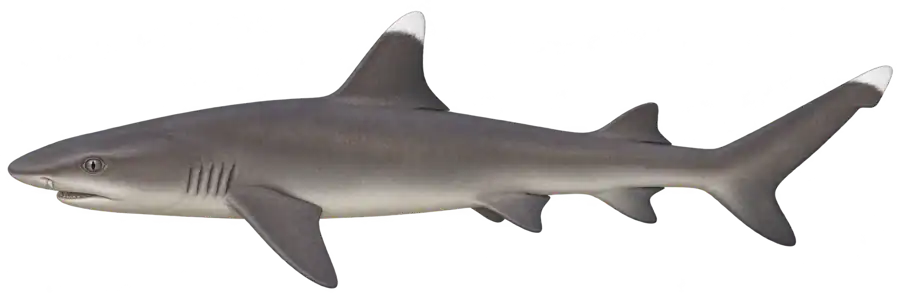
Whitetip reef sharks
Recorded for Tanjung Sari in the dated local account by Cedric Saveuse / Geko Dive, preserved below. This illustration is representative; historical observations do not establish a current resident or guarantee an encounter.
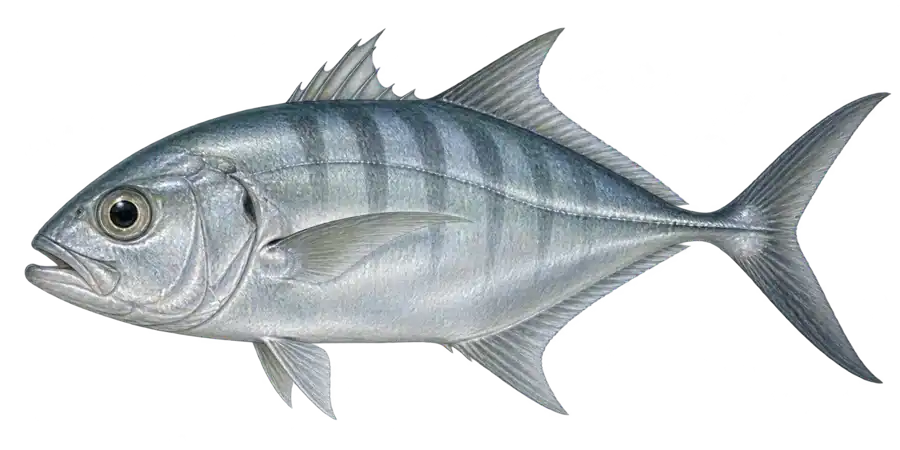
Trevally / jacks
Recorded for Tanjung Sari in Paradise Diving Bali’s site description; the bigeye artwork represents the wider group. This illustration is representative; historical observations do not establish a current resident or guarantee an encounter.
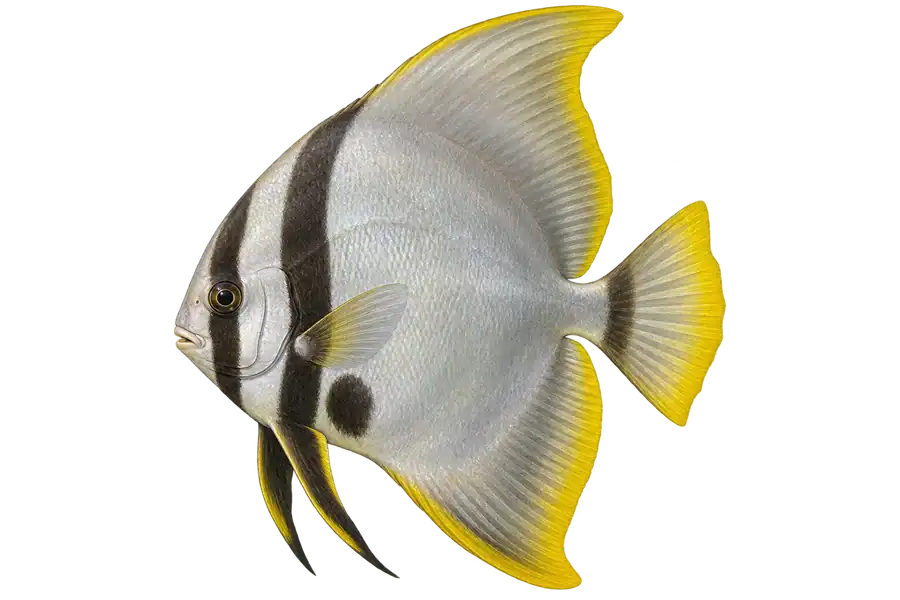
Batfish
Recorded for Tanjung Sari in the dated local account by Cedric Saveuse / Geko Dive, preserved below. This illustration is representative; historical observations do not establish a current resident or guarantee an encounter.
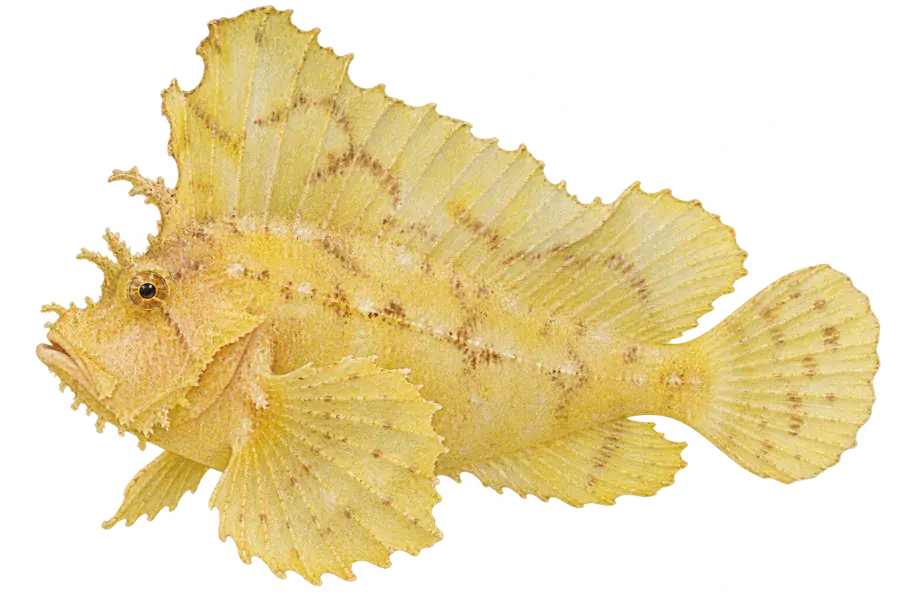
Leaf scorpionfish
Recorded for Tanjung Sari in the dated local account by Cedric Saveuse / Geko Dive, preserved below. This illustration is representative; historical observations do not establish a current resident or guarantee an encounter.
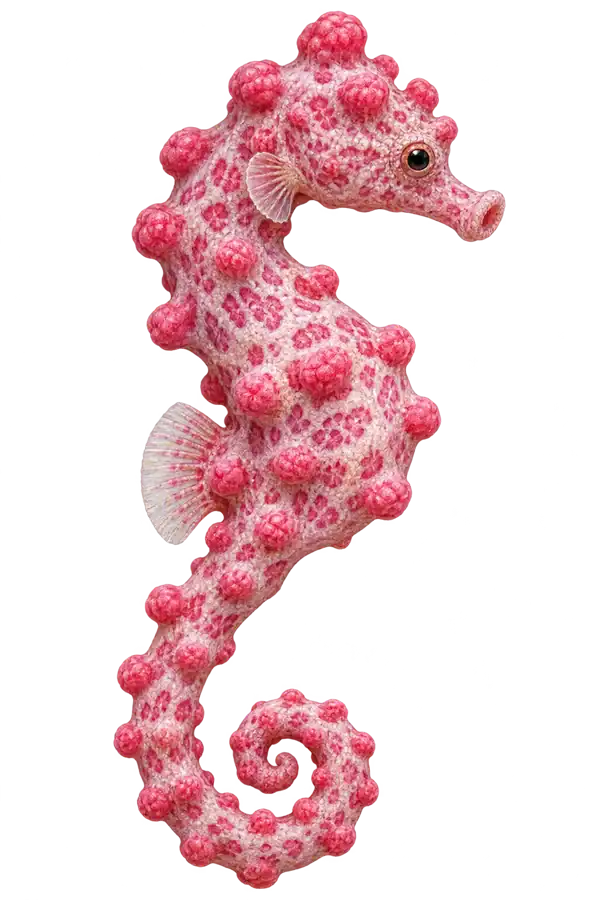
Pygmy seahorses
Recorded for Tanjung Sari in the dated local account by Cedric Saveuse / Geko Dive, preserved below. This illustration is representative; historical observations do not establish a current resident or guarantee an encounter.
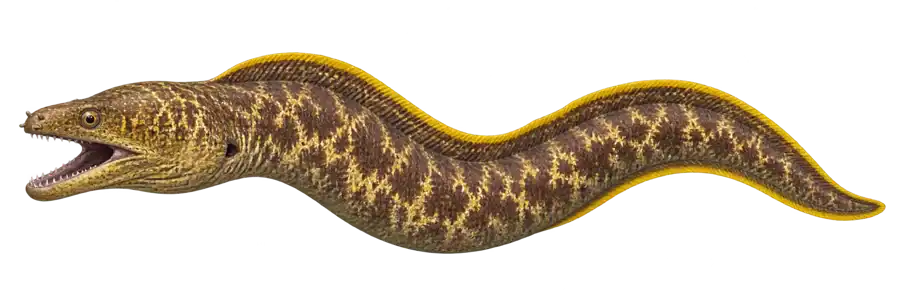
Moray eels
Recorded for Tanjung Sari in Livingseas’ site account; the artwork represents the group rather than a verified yellow-edged species record. This illustration is representative; historical observations do not establish a current resident or guarantee an encounter.
Illustration and wildlife notes
AI-assisted illustrations created for Divezone in November 2026. They are not photographs or evidence of sightings. When an operator identifies a fish group rather than an exact species, the accompanying note makes that distinction explicit.
Location and local names
This site forms part of the Padang Bai diving area. The boat operator confirms the exact section, entry and pickup for the day. Nearby named sites can connect underwater, but their current exposure and depth are not interchangeable.
Planning your dive
Is Tanjung Sari always an easy dive?
No. Its exposed position can bring significant current. Suitability depends on the day and the chosen profile.
Is it part of Blue Lagoon?
It is an adjoining headland area, sometimes combined with a Blue Lagoon route, with different exposure from the sheltered bay.
Will the sharks mentioned in the old review still be there?
The review is dated 2012. It cannot establish the present whereabouts of those animals.
Can the site be skipped even by experienced divers?
Yes. Conditions may make another site the sensible choice for any group.
Share the details of your visit
Your visit date, the section you dived and the entry conditions help other divers understand the experience.
Sources and credits
Checked 17 November 2026: Livingseas: headland and exposure; Water WorxX: terrain and depth; Paradise Diving Bali: current and trevally; Cedric Saveuse / Geko Dive, 7 December 2012: original local account. Historical wildlife observations are not promises of current sightings.
You can dive Tanjung Sari all year long. Access: Boat. See the map of Tanjung Sari on the right for the exact location. This site is also known as Shark Point (Padang Bai); Citizen Point
Fishes you may spot while diving Tanjung Sari
-
 Barracuda
-
 Batfish
-
 Cowfish
-
 Crocodile Fish
-
 Cuttlefish
-
 Filefish
-
 Garden Eel
-
 Napoleon Wrasse
-
 Nudibranch
-
 Octopus
-
 Pipefish
-
 Ribbon Eel
-
 Scorpion Fish
-
 Stonefish
-
 Sweet Lip
-
 Turtle
-
 Whitetip Shark
... and more fishes & sea life, Dartfish, Juvenile Rock Mover Wrasse, Juvenile Yellowtail Cori, Leaf Scorpionfish, Moray, Moray eels, Pygmy seahorses, Spadefish, Squid, Stingray, Trevally / jacks, Whitetip reef sharks

Photos
-
 Blacktip Shark patrolling the crystal clear water... EPIC photo!Photo by Yann Hubert
-
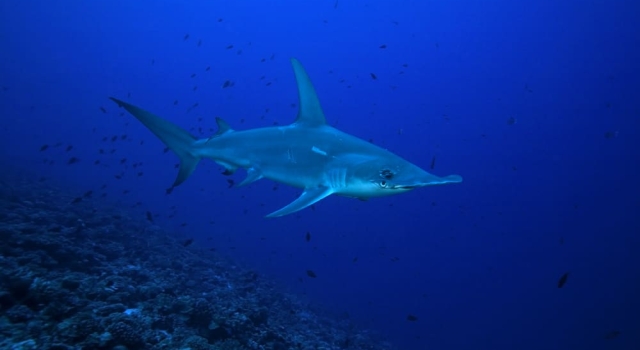 Huge Hammerhead Shark patrolling the reef in French PolynesiaPhoto by Yann Hubert
-
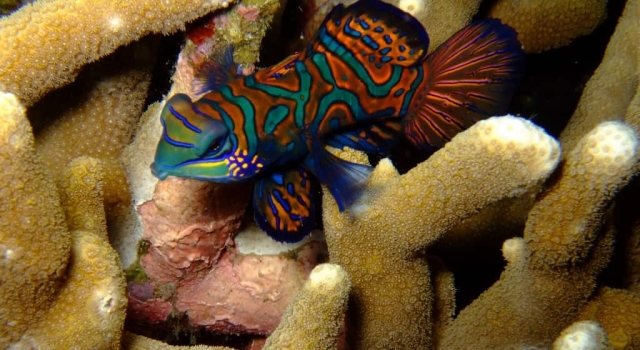 Beautiful & Colorful Mandarin FishPhoto by Rich Guest
-
 Yellow Seahorse in Lembeh StraitPhoto by Agnes Tjandranegara
-
 Blue Nudibranch in Lembeh StraitPhoto by Rich Guest
-
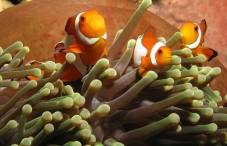
 Clown fishes waiting in front of their blue anemone housePhoto by Jihye Lee
-
 Lion Fish swimming in crystal clear waterPhoto by Agnes Tjandranegara
-
 Surreal LifePhoto by Jihye Lee
-
 Beautiful Coral ReefPhoto by Agnes Tjandranegara
-
 Barracuda Alone In The Blue SeaPhoto by Jihye Lee
Diving Reviews for this region
Padang Bai
Padang Bai rewards close looking: sandy slopes, reef fish and tiny macro subjects near Blue Lagoon and Jepun, with more demanding offshore dives available when conditions suit.
Tanjung Sari, AKA Shark Point or Citizen Point, is a great dive site to spot whitetip reef sharks. Look for them either swimming in the blue, laying on sandy patches or hiding under corals. Most spotting occur around 17m. It looks like there is a single family of sharks staying here with up to 12 individuals. One of the large female was pregnant back in 2011 and gave birth to a few pups that ended up hiding in shallow waters. The same sharks can also be spotted at the Ferry Channel dive sites as they alternate between the two sites.
Other species of sharks are also present at times. Those include nurse sharks and wobbegongs. The latter prefer cold waters and are spotted more frequently during the dry season months of July-November.
Pelagics are often attracted by the strong current that can be found here. Schools of jackfish, surgeonfish, batfish and even tunas come here to battle the current and hunt on smaller preys. Green turtles also frequent this area.
Like most dive sites in Bali, macro is great here. Leaf scorpionfish, nudibranches, Bargibanti pygmy seahorses and orangutan crabs can be found here by local dive guides.
Please note that this can be a difficult dive site with strong currents and that it is not always possible to dive here even for experienced divers!
By Cedric Saveuse
For
Geko Dive
hi,
it was one of my best day in my life . it was really amazing adventure specially for me cause it was first diving for me. but please how can i contact with office there we didnt get our photos which we took while diving because it was too late on that day and they tried in next day but we couldnt get it because of our flight. anyway any possiple way to get our photos for these massive moments in our life
regards
Ali
Hi Ali,
If your message is addressed to Geko Dive, please send me a message via email at info@gekodivebali.com indicating the date at which you were diving with us and the name of the dive guide who guided you underwater.
Safe diving!
thanks i will send u this email