The Channel combines reef ledges and crevices with the movement of water beside Padang Bai’s working harbour. It can be an interesting fish dive, but its location makes the planning unusually important. A short boat journey does not make this a casual entry from the beach.
A reef beside a working ferry route
Bali Diving Co describes a steep slope and crevices in an active ferry-channel setting. Livingseas describes ledges around 14–18 m and deeper coral growth. These features explain the interest underwater; the operation at the surface is just as important.
The decision to dive belongs to the local team’s conditions assessment. Timing, current, boat traffic and pickup arrangements must work together. The harbour’s proximity is not an invitation to enter independently or surface into the ferry route.
What experience is appropriate?
Certification labels are only part of the picture. The operator needs to assess actual depth limits, buoyancy, drift procedures and recent experience. A certification name on its own does not establish readiness for this dive.
Watching animals around crevices
Sharks and other animals may use recesses as shelter. Looking from outside preserves space for them and avoids turning a reef visit into an overhead-environment dive. An absent shark does not make the reef less worth observing.
Reading the historical discussion
The comments below include older observations and a discussion of training standards. They remain in their original words and dates. They should not be treated as current certification rules or today’s operational briefing.
Fish to look for
Six fish groups documented by the local sources below. Illustrations are representative, and a record of a fish does not guarantee an encounter.
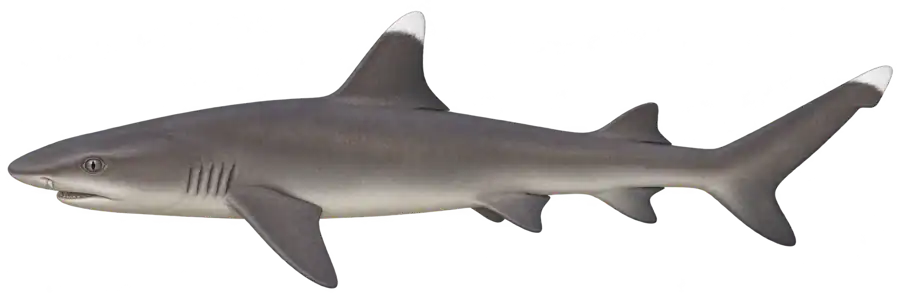
Whitetip reef sharks
Recorded for The Channel in Bali Diving Co’s site description. This illustration is representative; historical observations do not establish a current resident or guarantee an encounter.
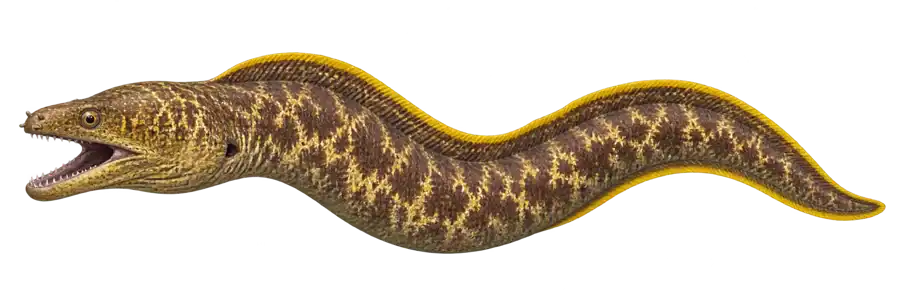
Moray eels
Recorded for The Channel in Livingseas’ site account; the yellow-edged artwork represents the group, not its recorded giant moray species. This illustration is representative; historical observations do not establish a current resident or guarantee an encounter.
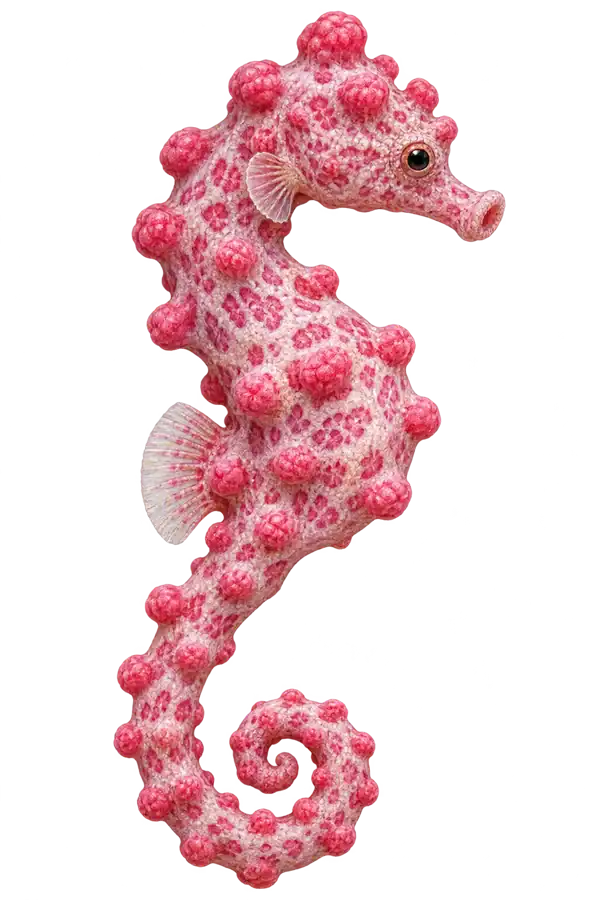
Pygmy seahorses
Recorded for The Channel in the dated local account by Cedric Saveuse / Geko Dive, preserved below. This illustration is representative; historical observations do not establish a current resident or guarantee an encounter.
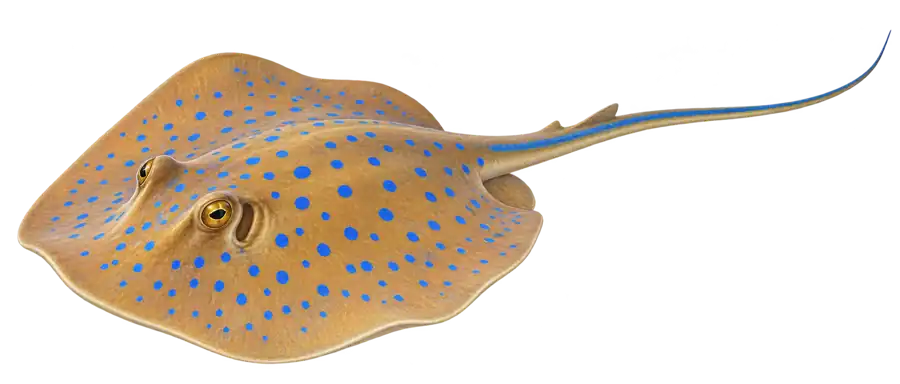
Blue-spotted rays
Recorded for The Channel in the dated local account by Cedric Saveuse / Geko Dive, preserved below. This illustration is representative; historical observations do not establish a current resident or guarantee an encounter.
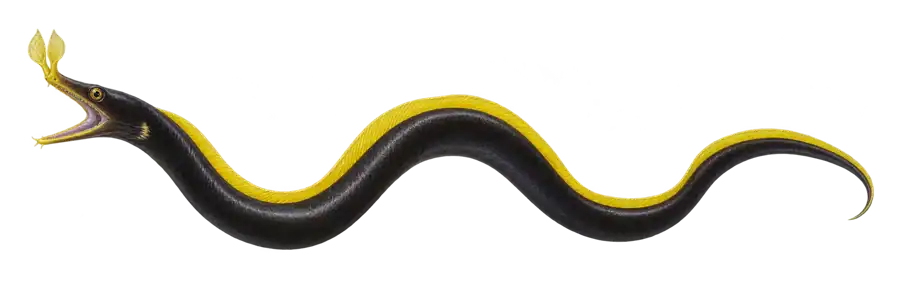
Ribbon eels
Recorded for The Channel in the dated local account by Cedric Saveuse / Geko Dive, preserved below. This illustration is representative; historical observations do not establish a current resident or guarantee an encounter.
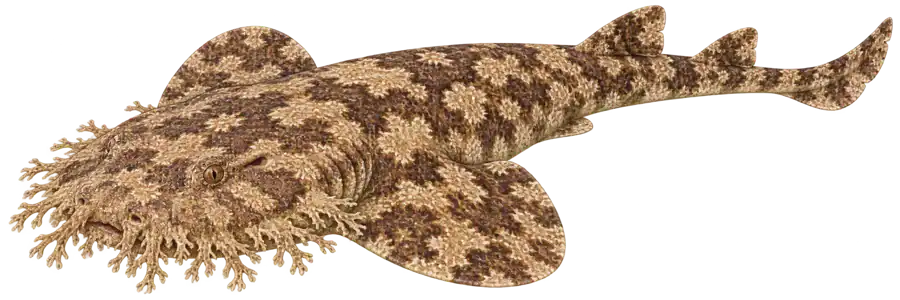
Wobbegong sharks
Recorded for The Channel in Cedric Saveuse’s 2012 account; the tasselled-wobbegong artwork represents the group, not an exact species identification. This illustration is representative; historical observations do not establish a current resident or guarantee an encounter.
Illustration and wildlife notes
AI-assisted illustrations created for Divezone in November 2026. They are not photographs or evidence of sightings. When an operator identifies a fish group rather than an exact species, the accompanying note makes that distinction explicit.
Location and local names
The map uses Bali Diving Co’s published Channel point (−8.53609°, 115.51153°). It is an approximate site reference beside a working harbour, not an entry location or a route through ferry traffic. The dive operator coordinates surface operations.
Planning your dive
Can I enter from the beach because the site is close?
This is a working harbour area. Access and surface coordination should be arranged by the dive operator, not inferred from distance to shore.
Is the current always strong?
It varies with conditions and timing. A quiet-looking surface is not sufficient evidence that the underwater route is suitable.
Does an entry-level certification automatically qualify me?
No. The operator assesses training limits, experience and conditions for the actual profile.
Are sharks guaranteed in the ledges?
No. Historical records and operator descriptions indicate possibilities, not occupied shelters on every visit.
Share the details of your visit
Your visit date, the section you dived and the entry conditions help other divers understand the experience.
Sources and credits
Checked 17 November 2026: Bali Diving Co: profile, surface traffic and coordinates; Livingseas: ledges and reef features; Cedric Saveuse / Geko Dive, 7 December 2012: historical observations below. Historical wildlife observations are not promises of current sightings.
You can dive The Channel all year long. Access: Boat. See the map of The Channel on the right for the exact location. This site is also known as Ferry Channel; Channel Point
Fishes you may spot while diving The Channel
-
 Cuttlefish
-
 Fusilier
-
 Mantis Schrimp
-
 Nudibranch
-
 Octopus
-
 Trevally
-
 Whitetip Shark
... and more fishes & sea life, Blue-spotted rays, Devilfish, Moray, Moray eels, Puffer, Pygmy seahorses, Ribbon eels, Sea Turtle, Stingray, Whitetip reef sharks, Wobbegong sharks

Photos
-
 Blue Nudibranch in Lembeh StraitPhoto by Rich Guest
-
 Clown fishes waiting in front of their blue anemone housePhoto by Jihye Lee
-
 Blacktip Shark patrolling the crystal clear water... EPIC photo!Photo by Yann Hubert
-
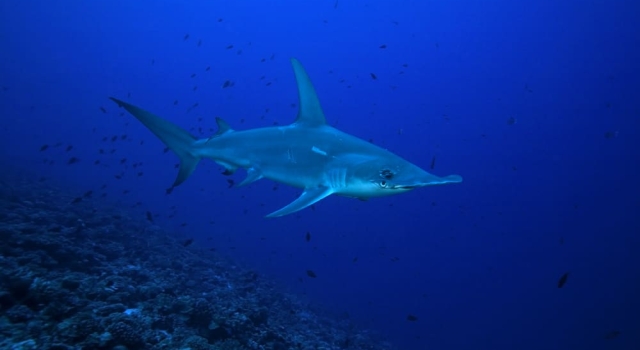 Huge Hammerhead Shark patrolling the reef in French PolynesiaPhoto by Yann Hubert
-
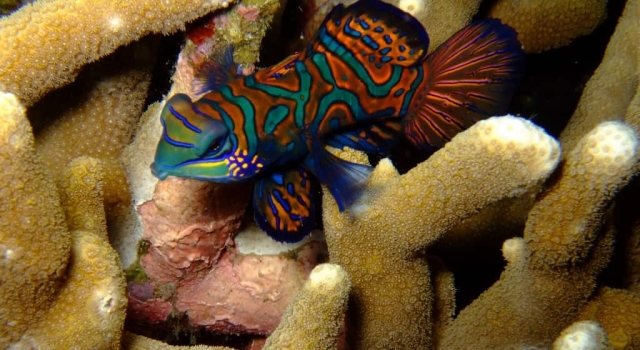 Beautiful & Colorful Mandarin FishPhoto by Rich Guest
-
 Yellow Seahorse in Lembeh StraitPhoto by Agnes Tjandranegara
-
 Lion Fish swimming in crystal clear waterPhoto by Agnes Tjandranegara
-
 Surreal LifePhoto by Jihye Lee
-
 Blue Spotted White Purple NudibranchPhoto by Jihye Lee
-
 Fishes Black EyesPhoto by Jihye Lee
Diving Reviews for this region
Padang Bai
Padang Bai rewards close looking: sandy slopes, reef fish and tiny macro subjects near Blue Lagoon and Jepun, with more demanding offshore dives available when conditions suit.
The Ferry Channel is the other dive site for spotting sharks a few hundred meters away from Padang Bai harbour. The local population of whitetip reef sharks alternate between here and Tanjung Sari. Wobbegong also dwell here in the cold water months of July-November. The sharks are often seen between 15 to 20m in large cracks that allow them to shelter.
Beyond this, one can see pygmy seahorse, siagiani squat lobsters, blue-spotted stingrays, green turtles and pelagic fish. Moray eels and ribbon eels are also living here. Look into the blue as you never know what may come close to the reef. We have seen mola-molas here and rumour has it that one instructor has even spotted a hammerhead here!
Currents can be strong here and this dive site should be dived only at certain times and with local dive guides who know the dive site well.
By Cedric Saveuse
For
Geko Dive
Excuse me what? Did I miss something? Why are you comparing a CMAS * to a PADI OWD?
The PADI OWD is a 5 day course designed for tourists to be taken with not more than 45min daily.
In contrast the CMAS * is a hard core 3 month training with stiff theoretical and two practical exams – mind you CMAS is mostly done in Europe in cold, dark lakes with little to no visibility.
Hi Mr Liebling,
Thanks for reading Divezone!
I’d like to specify that CMAS 1 star is entry level, and a diver can dive up to 20 meters. Plus, some get this certification diving only in confined space because they live too fat from the sea. Being on any good diving forum lets you learn about the reality of diving certification versus the theory… and it’s quite different for lots of people.
I also think CMAS one could be compared to advanced PADI, for some skills, but Advanced dives to 30 meters, against 20 for the CMAS1.
Also, I’d say it’s an eternal debate and the standards are not equal in each, so a pointless debate. We are simply trying to mention other agencies even though PADI talks to the majority.
best bubbles, always!
I don’t know what you know about CMAS – but I underwent 3 months training in cold dark German lakes with very low visibility and had to undergo 4 exams (1 theory / 2 practical / 1 medical) to be certified CMAS 1. Also: There is no depth limitation for CMAS 1 – you can go as deep as you want. The 40m limit was a recommendation. Part of the exam was a simulated rescue of a diver from 26m (mind you again: In a lake that’s pitch black water). We also had to navigate a triangle in low visibility water using a compass and also free-dive 8m without any equipment, find and put on mask, snorkel and fins. This were the standard requirements of the DUC (German Underwater Club) in 1996.
I don’t know how this compares to a couple of hours of PADI bathing fun in warm clear water. I hope you understand why it is so upsetting to be compared to a PADI OWD. It’s like saying Navy Seals are on the same level as boy scouts. No they are not.
Hi,
I simply believe we are not talking about the same thing / are using different terms. Perhaps you are talking about CMAS instructor 1 star? Either way, I will not keep this argument on and no offence should be taken.
Anyway, thank you for reading Divezone and we’d be pleased to read scuba diving reviews from you about the destinations you’ll visit as a diver. Best regards.