 Destinations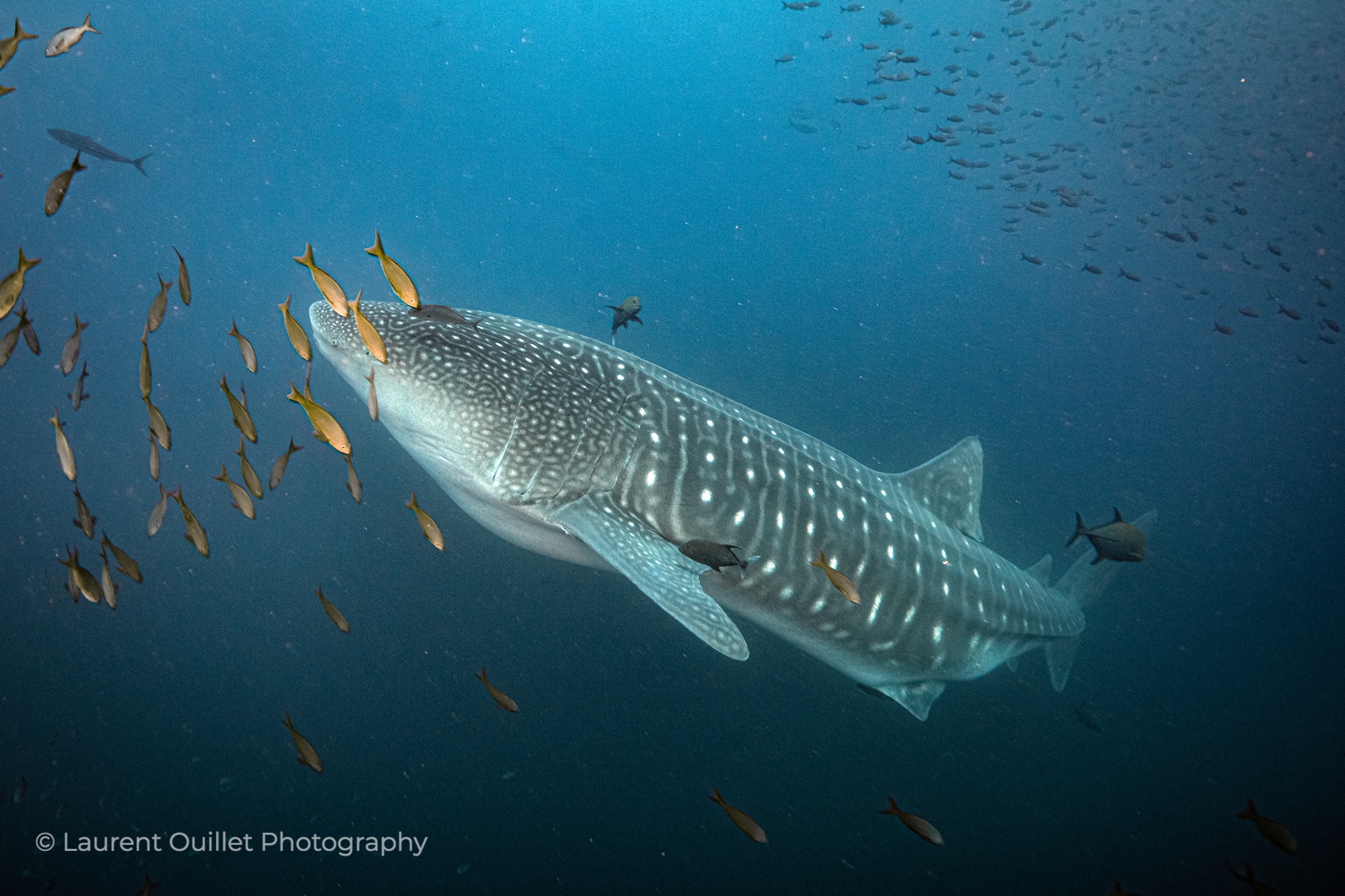
GALAPAGOS · ECUADOR · PACIFIC EXPEDITIONS · 2026
Your Galapagos diving journey starts here.
Compare the boats, understand the costs and prepare for the diving.
Start comparing →Galapagos liveaboard planning guide · Updated 28 September 2026
A Galapagos liveaboard takes experienced divers to remote waters where schooling hammerheads, Galapagos sharks and seasonal whale sharks are the main attraction. Choosing well means matching the itinerary, season and diving demands to your experience, then comparing the full cost of the trip.
Use this guide to plan your journey, explore our boat reviews and find the right next step. Start with the Galapagos liveaboard comparison for cabins, inclusions and boat-by-boat differences.
Explore Galapagos departures and availability →
Disclosure: Divezone may earn a commission when you book through our affiliate links. This guide combines researched operator information with links to our boat profiles and readers’ feedback; it does not claim a new firsthand inspection of every vessel.
Start here: plan the Galapagos trip that fits you
Located roughly 1,000 km off mainland Ecuador, the volcanic Galapagos Islands have a remarkable combination of marine and land wildlife. Visitors may see giant tortoises, sea lions, penguins and marine iguanas, while divers come for sharks, rays and the abundance of life beneath the surface. The good thing about liveaboard diving is that you can access remote areas far beyond the reach of ordinary land-based operations.
| What you need | Start with this guide |
|---|---|
| Choose a boat, cabin and package | Compare Galapagos boats, cabins and prices |
| Understand sites, conditions and marine life | Galapagos diving guide |
| Plan flights, island stays and activities | Galapagos travel guide |
| Find good value and understand extras | Budget Galapagos liveaboards |
| Compare comfort, cabins and inclusions | Luxury Galapagos liveaboards |
| Reduce the bill and assess lower-price offers | Cheap Galapagos liveaboards and full costs |
Before paying a deposit: have the operator approve your dive experience, confirm the exact departure and airports, then obtain a written cabin-and-extras quote. Book flights after the boat confirms its joining instructions.
Galapagos liveaboard reviews: which boats should you compare?
There is no single best boat for every diver. Compare the same duration and cabin occupancy, the number of days at Darwin and Wolf, and what your quoted price includes. The profiles below explain the boats in more detail; the dedicated comparison brings their practical differences together.
| Divezone boat guide | What to compare before booking |
|---|---|
| Humboldt Explorer | A useful starting point for a lower published fare. Compare seven- and ten-night departures, cabin layout, fuel and nitrox extras. |
| Tiburon Explorer | Compare its deck layout and itinerary with Humboldt, then decide whether the higher reference fare suits your priorities. |
| Galapagos Sky | Compare Deluxe and Master cabins and the value of included nitrox. Check both airports on ten-night trips. |
| Galapagos Aggressor III | Compare Deluxe and Master cabin arrangements, joining instructions and optional extras. Its programme does not include night diving. |
| Galapagos Master | Compare Classic and Premium cabins and the dated offer. Confirm the mandatory certification and experience requirements. |
| Danubio Azul | Check that the selected programme is a scuba-diving departure. Request the current cabin plan and named dive sites. |
| Nortada | Obtain a confirmed departure, guest count, cabin occupancy and diving programme before planning flights. |
| Astrea | Use the profile as background. We could not establish a current 2026 departure or fare for this update; do not rely on historical prices. |
Unconfirmed availability is not proof that a boat has ceased operating. We do not present Nortada or Astrea as confirmed bookable departures. Check the full comparison and ask for written confirmation of the vessel and trip being sold.
Comfort and cabin details worth checking
Galapagos Sky’s four Deluxe cabins have fixed twin beds and portholes; its four Master cabins offer king-or-twin arrangements and larger windows. The dive deck remains central to life aboard, with space for equipment and camera preparation. See the Sky cabin guide before selecting a category.
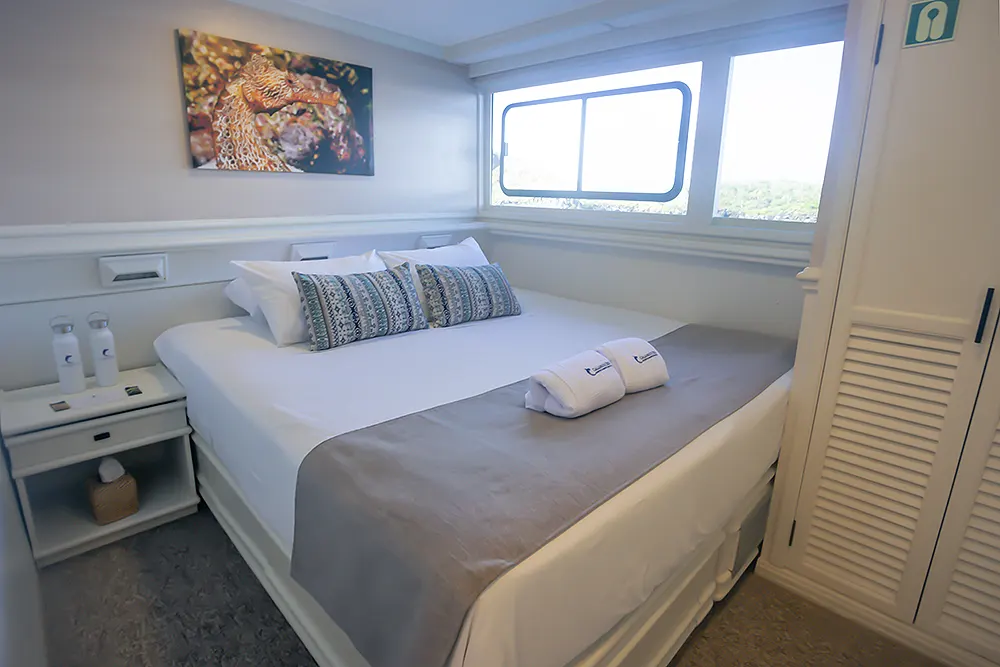
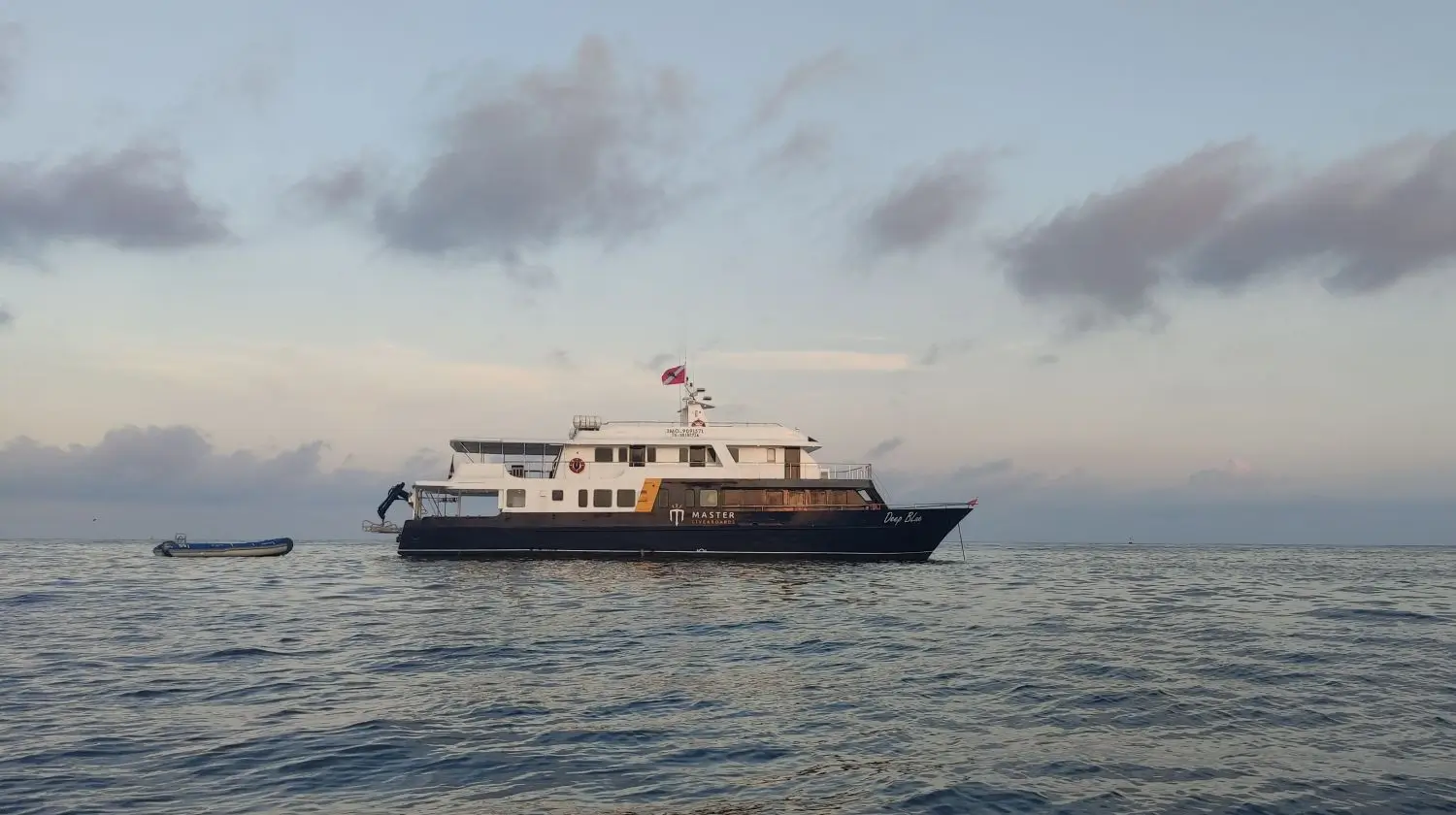
Galapagos Master, also known historically as Deep Blue, accommodates 16 guests in eight cabins. The spacious indoor lounge and camera preparation area remain useful features. Its current Classic cabins have no windows or portholes; Premium cabins have views. This is more useful to your decision than a generic “luxury” label. Read the Galapagos Master profile.
For a couple, specify the bed arrangement on the booking confirmation. For a solo traveller, compare shared accommodation, cabin matching and private-use supplements. Photographers should ask about camera rinse tanks, charging arrangements and luggage limits; comfort on the dive deck matters as much as the cabin.
Darwin, Wolf and the rest of the itinerary
Darwin and Wolf are the backbone of many dedicated diving cruises. Their remote location makes a diving liveaboard the practical choice. A naturalist cruise or a hotel-based diving holiday is a different product and should not be assumed to visit these northern sites.
| Area or trip type | Why it matters |
|---|---|
| Darwin and Wolf | Shark-focused diving. Count the actual days and planned dives in the north, not just the nights aboard. |
| Western islands | Selected itineraries include sites such as Cabo Douglas or Punta Vicente Roca. Their cold-water wildlife and conditions differ from northern sites. |
| Central islands | Routes may include check dives, sites such as Cousins Rock and land visits. Read the day-by-day schedule. |
| Land-based diving | A separate option for combining island stays and local day trips. It does not replace a Darwin-and-Wolf cruise. |
Seven nights aboard are not seven full diving days. Transfers, check dives, crossings, land visits and the final no-fly interval all affect the schedule. Galapagos Sky, for example, advertises 18 dives on its seven-night itinerary and 29 on ten nights, subject to conditions. Its longer itinerary allocates more time to the northern islands.
Do not assume every operator follows the same route or offers night dives. Park permissions, weather and the captain’s decisions can change the order or sites. For marine-life and site background, continue to our Galapagos diving guide.
Best time for a Galapagos diving liveaboard
The islands have two broad seasons, but water temperature, visibility and animal encounters vary between sites and years. Hammerheads can be encountered throughout the year. Whale sharks are a seasonal attraction, especially in northern waters; choosing that season does not guarantee an encounter.
| Period | What to plan for |
|---|---|
| December–May: generally warmer | Often warmer water and clearer conditions. Aggressor publishes an indicative 21–30°C range. Rays and hammerheads remain major attractions. |
| June–November: generally cooler | Commonly chosen for whale-shark chances. Aggressor gives an indicative 16–24°C range; cooler water and changing surface conditions require suitable protection. |
Thermoclines can be much colder than surface readings, particularly in the west. Visibility can change during a dive, so a fixed month-by-month visibility promise would be misleading. Ask for recent dive logs for the same itinerary and choose equipment for the coldest expected dives.
September 2026 field update: Explorer Ventures reports unusually warm, calmer and clearer conditions on recent trips, with some hammerhead encounters deeper than usual. These are operator observations from that period, not a forecast for all islands or future departures. Read its current diving update before relying on the seasonal averages.
Are you ready for Galapagos diving?
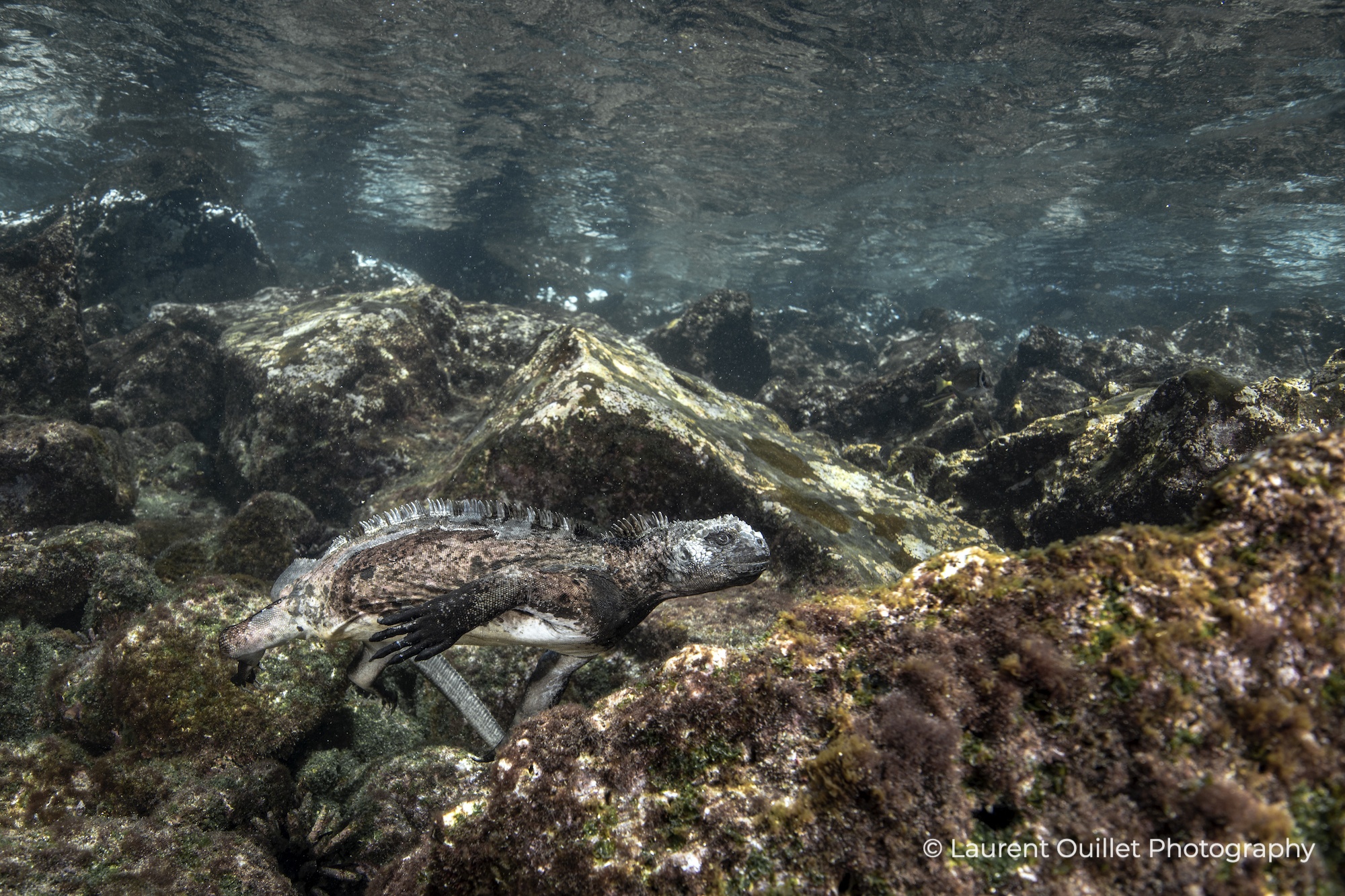
Surge, currents, cold thermoclines, variable visibility and entries from small tenders can make these cruises demanding. A certification card or a dive count alone cannot demonstrate comfort in those conditions. Tell the operator where and when you last dived, your experience in currents and thicker wetsuits, and any concerns before committing.
- Humboldt Explorer: its published rules require at least 60 logged dives and a dive within the previous six months; more than 100 dives are strongly recommended.
- Galapagos Master: its current itinerary and pre-trip information require Advanced Open Water or equivalent, nitrox certification, at least 50 logged dives and experience in currents.
- Galapagos Sky: recommends an experience range of 50–100 dives, recent diving and confidence with tender entries and changing conditions. Ask the operator to assess your suitability.
- Other boats: obtain their own current rules. Do not transfer another vessel’s threshold to your booking.
Practise buoyancy, controlled ascents, DSMB deployment and the entry procedures your operator uses before the trip. Bring certification records and your dive log. The crew may restrict a dive if your skills or the conditions make it unsuitable.
Ask for the emergency plan and the required dive-accident and evacuation cover. Check that your insurance applies to the destination, depth, activity and remote evacuation involved. A chamber-support contribution is not an insurance policy or a promise that treatment costs are covered.
Galapagos liveaboard prices in 2026: build the full budget
These are published reference fares in USD per person sharing, checked 28 September 2026. They are not live availability or all-inclusive trip totals. Promotions, cabin allocation and departure terms can change the quote.
| Boat | Reference fare | Period or cabin |
|---|---|---|
| Humboldt Explorer | US$6,395 | July 2026–June 2027 rate sheet |
| Tiburon Explorer | US$7,395 | July 2026–June 2027 rate sheet |
| Galapagos Aggressor III | US$7,300 | 2026 published Deluxe/Master tariff |
| Galapagos Sky | US$7,495 / $7,795 | 2026 Deluxe / Master; nitrox included |
Sources: Explorer Ventures rate sheet, Aggressor rates and Galapagos Sky rates. For Galapagos Master and other date-specific offers, use the boat comparison and request a current quote.
What to add to the cruise fare
- Park admission: US$200 for the standard international adult category. Discounted categories depend on age, nationality or residency; check the official fee schedule.
- Transit Control Card (TCT): budget US$20 per person and follow the official online instructions.
- Operator extras: fuel surcharges, chamber contributions, nitrox, rental equipment and any taxes or payment fees. Request the amounts and payment method for your departure.
- Travel costs: international and island flights, checked diving luggage, hotels, transfers outside the included window, insurance, optional land tours and gratuities.
Worked example: a seven-night Sky Deluxe fare of $7,495 + $200 park admission + $20 TCT + its published $35 chamber fee = $7,750 in known components. Flights, hotels, insurance, rentals and tips are still additional. This is a partial subtotal, not a complete holiday budget.
Compare like-for-like quotes using our budget guide. The luxury guide explains inclusions and cabin trade-offs; our lower-cost guide explains how to assess offers without relying on an obsolete starting price.
Flights, entry formalities and island extensions
- Confirm the boat first. Ask for arrival and departure airports, meeting times and the operator’s preferred flights. Baltra (GPS) and San Cristóbal (SCY) are different airports.
- Allow a buffer on mainland Ecuador. Reach Quito or Guayaquil before the island flight, allowing for international delays and lost luggage. Explorer Ventures recommends one or two days.
- Check entry documents for your nationality. Use current Ecuadorian consular guidance for passport and visa requirements. Complete the TCT and required customs/biosecurity declarations using the official instructions linked by your operator.
- Verify both ends of a longer itinerary. Sky’s seven-night cruises use San Cristóbal; its ten-night cruises may start and end on different islands. Do not assume a return flight from the same airport.
- Schedule your final dive around the flight. Follow your operator and computer’s restrictions. DAN recommends a minimum 18-hour preflight interval after repetitive or multiday no-decompression diving for divers without symptoms; longer intervals reduce risk further. A full non-diving day is a useful planning buffer. Read DAN’s guidance.
Add land days if seeing tortoises, walking visitor trails or enjoying the islands with a non-diving companion is a priority. The limited land visits on a diving cruise do not replace a dedicated naturalist programme. Use our Galapagos travel guide to plan the extension, and reconfirm local arrangements before booking.
Packing and practical questions for the operator
Bring familiar dive equipment where possible: mask, computer, regulator, suitable fins and boots, and thermal protection matched to the route. A 5–7 mm wetsuit is a common operator recommendation, with a hood or additional layers for colder dives. Confirm rental sizes and availability in advance.
- Ask which DSMB, audible signalling device and electronic locating beacon are provided or required, and learn how to use the supplied equipment.
- Carry certification cards, logbook, insurance details and emergency contacts in accessible offline copies.
- Keep essential personal equipment and medication in cabin luggage, subject to airline rules. Check the baggage allowance for the exact fare you buy.
- Pack sun protection, a light windproof layer, reusable water bottle and soft luggage that is easy to stow.
- Ask about dietary needs, charging sockets, internet costs, onboard payment methods and any cash-only charges.
Follow the guide’s wildlife briefings: keep space around animals, do not chase or touch them, control your fins and equipment, and never sacrifice buoyancy to get a photograph.
Galapagos liveaboard FAQ
Open a question for the answer. Departure-specific instructions always need to be confirmed with the operator.
1. What is the best Galapagos liveaboard?
The best choice depends on your experience, itinerary priorities, cabin needs and complete budget. Start with our boat comparison, shortlist two or three departures, then compare written quotes for the same occupancy and duration.
2. Do I need a liveaboard to dive Darwin and Wolf?
These remote northern islands are the reason to choose a dedicated diving liveaboard. Ordinary day boats from the inhabited islands do not provide the equivalent trip. Check that both islands are named in the booked itinerary.
3. Is a Galapagos liveaboard suitable for a beginner?
Darwin-and-Wolf cruises are generally aimed at experienced divers. Cold water, currents and tender operations require skills beyond completing an entry-level course. Build relevant experience and obtain operator approval; do not use the holiday as your first exposure to demanding conditions.
4. How many logged dives do I need?
There is no single threshold for every boat. Humboldt’s published minimum is 60; Galapagos Master requires 50 with Advanced Open Water or equivalent and nitrox certification. Sky recommends a 50–100-dive experience range. Recent experience and conditions matter too; see the requirements section above.
5. Is nitrox mandatory or included?
It depends on the boat. Master currently requires nitrox certification; Sky includes nitrox in its fare. Other operators may charge extra. Confirm certification, package cost and cylinder arrangements before booking, and dive within your training and the planned gas limits.
6. When is whale-shark season?
The cooler months, broadly June–November, are commonly chosen for whale-shark opportunities around Darwin and Wolf. The timing varies, and no operator can guarantee a sighting. Choose a trip you would enjoy for its wider marine life too.
7. Can I see hammerheads outside whale-shark season?
Yes, hammerheads are encountered throughout the year, although school size, depth and visibility vary. Warmer-season cruises can still be rewarding. Read recent dive reports alongside seasonal averages.
8. How cold is the water and what wetsuit should I bring?
Conditions differ between northern, central and western sites. Plan for thermoclines rather than surface temperature alone. Discuss a 5–7 mm wetsuit, hood and additional layers with the operator, especially if you get cold easily.
9. Should I choose seven or ten nights?
Compare actual diving days and time at your preferred sites. A longer trip may give more northern diving and another region, but it also costs more and means more days at sea. Check airports and land visits, not just the advertised number of nights.
10. Are night dives included?
Not on every boat. Aggressor III says it does not offer night diving. Sky lists optional night diving at Wolf when conditions permit. Confirm the current programme and required lights instead of assuming that a standard package includes it.
11. How much does a Galapagos liveaboard cost in 2026?
The selected seven-night reference fares above range from $6,395 to $7,795 per person sharing, before many travel costs. This is a sample, not the full market range. Add all exclusions and check date-specific promotions before comparing offers.
12. Are the park fee and TCT included?
They are frequently separate. For the standard international adult category, allow $200 park admission and $20 for the TCT unless your quote explicitly includes them. Other park-fee categories apply; check the official table.
13. Are last-minute deals genuinely cheaper?
A discounted cabin can reduce the cruise fare, but late flights, limited cabin choices and extra hotel nights can cancel the saving. Compare the whole trip and cancellation conditions. Check our liveaboard special offers and confirm the departure is still available.
14. Which airport should I fly to?
Use the airport named in your joining instructions: Baltra (GPS) or San Cristóbal (SCY). The boat and itinerary determine the answer. Longer trips may finish at a different airport, so confirm both arrival and departure before buying tickets.
15. Can a non-diving partner join?
Ask about the specific diving departure, not just whether the boat accepts non-divers. There may be long crossings and limited land or snorkelling opportunities. A separate island extension or naturalist cruise may better match a partner’s interests.
16. Can I travel solo?
Yes, subject to the operator’s cabin-sharing and supplement policies. Ask what happens if no roommate is available, whether the advertised fare assumes sharing, and which cabin category can be booked alone. Get the arrangement in writing.
17. What insurance should I arrange?
Confirm the boat’s required dive-accident cover and check remote evacuation, treatment, depth and activity exclusions with the insurer. Separately consider cancellation and interruption cover for the cruise and connecting travel. A chamber contribution does not replace insurance.
18. How long should I wait before flying after the cruise?
For repetitive or multiday no-decompression diving, DAN recommends at least 18 hours for divers without symptoms; longer is more conservative. Follow any longer operator or computer restriction. Do not fly with possible decompression symptoms: seek urgent medical advice.
19. Will I have internet and be able to pay by card?
Ask the boat about connectivity, limits, prices and accepted cards. A satellite connection can be intermittent. Confirm which fees require cash and whether card charges apply; download tickets and essential documents before boarding.
20. Are the photos and reviews all from 2026?
The photographs on this guide were replaced and selected from current operator galleries in September 2026. Their capture dates are not supplied, so they are not labelled as photographs taken in 2026. Reader comments retain their original dates and should be read in that context.
Continue planning with Divezone
- Compare Galapagos liveaboards for cabins, fares and inclusions.
- Explore Galapagos diving and plan the land portion of your trip.
- Choose the budget, luxury or lower-cost guide for your priorities.
- Read a reader’s June 2013 Galapagos dive report for historical trip impressions, not current prices or operating rules.
Sources, review date and photo credits
Editorial review: 28 September 2026. Prices are dated examples; departures and rules can change. The operator’s confirmation for your trip takes priority over a general guide.
- Explorer Ventures rate sheet, Humboldt requirements, travel checklist and diving conditions update.
- Galapagos Sky rates, itinerary and cabins.
- Aggressor III rates and Galapagos programme and seasonal guidance.
- Galapagos Master specifications and pre-trip requirements.
- Official park fees, official TCT process and DAN flying-after-diving guidance.
Photos: Laurent Ouillet Photography / Explorer Ventures, Galapagos Sky and Master Liveaboards, linked beside each image. Selection checked September 2026; capture dates not supplied. Existing reader feedback below remains dated as originally submitted.
Compare boats and plan the complete trip
Compare cabins, diver requirements and matched trip costs in our Galapagos liveaboard comparison. For the wider choice of itineraries, see our Galapagos liveaboard planning guide.
Use the matched 7-night budgets, Nitrox and fee breakdown before comparing an advertised fare with another boat’s package. The same comparison includes operator-specific diver requirements: Humboldt and Tiburon require at least 60 logged dives and recent diving within six months; Master requires Advanced Open Water or equivalent, Nitrox certification, 50 logged dives and experience in currents. Confirm acceptance with the operator before paying.
Plan the journey with our Galapagos travel guide and check seasonal conditions in the Galapagos diving guide. Confirm the arrival and departure airports for your exact itinerary before buying flights, especially on longer cruises.
Internal links, fee references and diving requirements cross-checked on 29 September 2026. Rate validity depends on the operator and departure.


The first Picture does NOT show Galapagos those are the Rock Islands of Palau.
If you book with “Dive the world” understand that the lie about number of dives the offer.
My dive cruise indicated 24 dives but when arriving on the boot the dive guide told me the always did only 18 dives on this dive cruise.
After the dive cruise I complaint to “Dive the world” about that, they just told me that 24 dives was only an indication (on there Booking).
The ask 1000 $ more than other organization that offers 18 dives.
hello,
my partner and I are traveling to the galapagos Islands end of February 2018, beginning of March 2018. As we love diving, we would like to plan a live aboard of approximately 4 days / 3 nights.
Can you please inform me about your options and prices? as we are travelling for a while, we are a little dependend on having a good price offer, we hope you have something for us.
thanks and we look forward hearing from you,
Sandra
Hi Sandra!
My best advice would be to look here : http://divezone.net/liveaboard-special-offers-last-minute-deals
If you look often, you might fall on a great discount. But you should know that even discounted, Galapagos liveaboards are never quite cheap. We update our deal page every week or so.
That being said, I don’t recall seeing any liveaboard that last only 3-4 days. It’s usually 8 days, 7 nights. Maybe try looking for short cruises which would allow enough time for you to dive from the islands.
Happy travels!
Galapagos Sky liveaboard is a scam, its living on past reputation. I just ended a week at this vessel and regardless the marvels seen underwater and the kind service and friendliness of the staff, the boat itself is old, smells and even serves unhealthy water because they have not spent in water filter maintenance according the crew.
If you need more information I can share emails from all passengers from two weeks ago who could share their own experiences as well. I believe you care about your own reputation when mentioning options on your site, you’ll find it useful to verify this information. The vessel is an 7 at the most in a scale from 1 to 10.
Hello Francisco!
First, I’d like to thank you for taking the time to leave a review on Divezone, it sure will be useful for our fellow divers around!
Second, I’m very sorry to hear that the boat was not well maintained and that it’s no longer what it once was. That said, I’m happy as I’m not reading anything negative on scuba diving, which means you must have had a blast anyway!
Thirdly, I’m sure you understand that we promote the ships with the information that is available, and unless the boat contacts us or that we are personally aware of a change, the pages remain the same. That said, our reputation (like you say) is to allow scuba divers to review the liveaboards on a free and independent platform, just like you did. That’s how future divers looking for a boat will realize maybe a boat is no longer brand new, maybe even not maintained, and make their own, informed decision from there.
I hope this explanation helps and I sincerely wish you a fantastic stay on your next liveaboard!
Safe bubbles, always!