
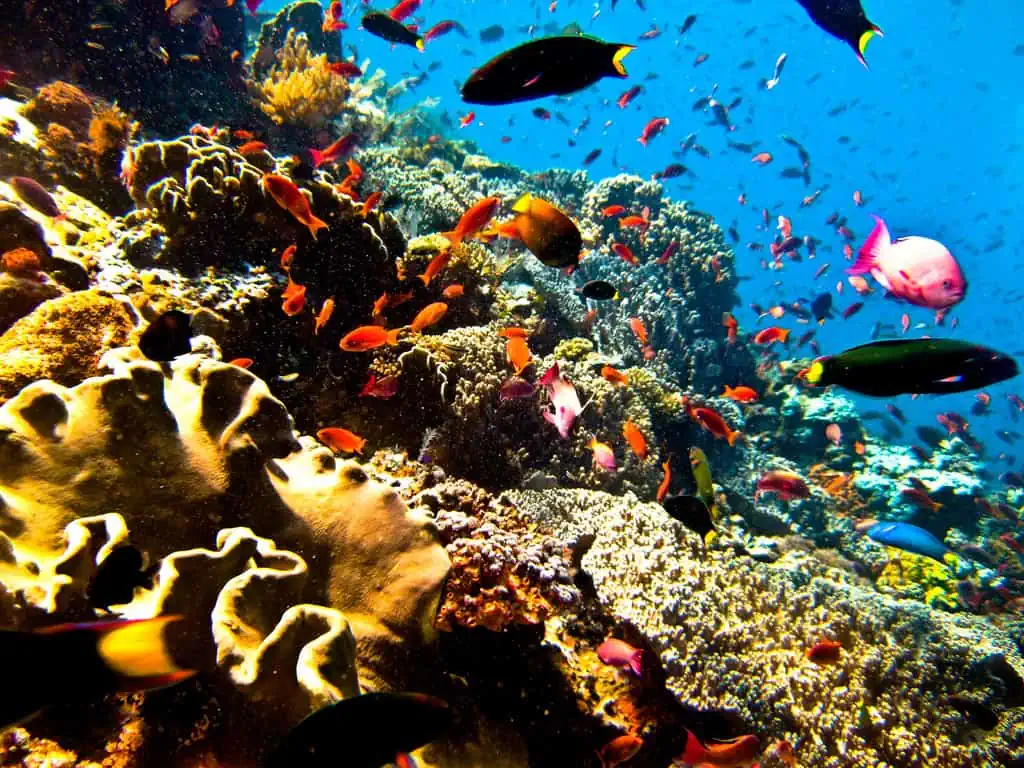
Indonesia is quite simply one of the great scuba-diving destinations: coral gardens, volcanic shores and island journeys that can fill a lifetime of holidays. The practical secret is choosing a manageable piece of it. A week based in Amed feels very different from a Raja Ampat cruise, and both can be wonderful trips.
For a diving holiday, the best starting point is the region and its transfer plan. Bali suits a flexible stay ashore; Labuan Bajo opens the door to Komodo; Sorong is the usual gateway for Raja Ampat. Flight connections, boat departures and time after the final dive matter more than squeezing another island onto the list.
A little planning, a much gentler arrival
In the original guide, Julien noted that he often left accommodation flexible in places he knew well, such as Bali. His advice to arrange the first nights remains useful: having somewhere to shower and sleep after a long journey is a small luxury with a big effect. For a fixed cruise departure or remote resort, the transfer and first-night arrangements belong together.
Holiday dates and popular sailings can fill early, but there is no dependable rule that every hotel doubles its prices. The room category, location, meals, cancellation conditions and transport costs make a more useful comparison.

Original ceremony photograph: rnugraha on Flickr.
In this page you will find practical information to plan a scuba diving trip to Indonesia:
Table of contents
Where to stay?
I usually use this website to book in advance my hotels in Indonesia as they usually have the lowest rates I find. I like it because it's free to cancel and change the dates.
You will find all types of accommodation, from simple guesthouses to comfortable dive resorts and liveaboard cabins. The right base depends on how much of the day you want to spend diving, travelling and enjoying time ashore.
For Bali, staying near the chosen dive coast can avoid repeated long road transfers. For Raja Ampat, an island resort’s boat schedule and package inclusions matter as much as the room itself. In Labuan Bajo, a hotel before a Komodo departure provides a different role from accommodation aboard the cruise.

Original Rinjani photograph: © Amre Ghiba.
Budget for the complete holiday
A national “cheap daily budget” hides large differences between a Bali guesthouse and a remote cruise. A useful quote separates accommodation or cabin fare, meals, dives, equipment, transfers, park charges, Nitrox, optional activities, insurance and flights.
| Dated example | Published planning amount | What remains separate |
|---|---|---|
| Cheng Ho, Raja Ampat, 9–18 April 2027, nine nights | US$4,230 starting fare per person; illustrative US$250–350 park allowance gives US$4,480–4,580 | Combined planning estimate, not a guaranteed quotation; flights, extra hotels, insurance and optional services excluded |
| Eligible tourist visa on arrival | IDR 500,000 for 30 days | Extension procedure and charges, where applicable |
| Bali tourist levy | IDR 150,000 per liable foreign tourist | Separate from visa and dive-park fees |
The Cheng Ho review explains that cruise example’s dates and calculation. A cabin fare, charter total and day-boat price answer different questions and should not be compared as though they cover the same holiday.
Activities and excursions in Indonesia
Travelling with a non-diver?
A land-based stay gives a mixed group more freedom: one person can dive while another enjoys the coast or an agreed excursion. Snorkelling depends on the actual site, access and supervision; a current-swept dive stop is not automatically a suitable swimming stop.
Some liveaboards explicitly welcome snorkellers. Cheng Ho lists a snorkelling guide and offered land excursions, with kayaks and a stand-up paddleboard among its facilities. No current standard non-diver discount was verified for that boat. Ondina publishes a 15% non-diver reduction in its booking conditions; the applicable sailing, fare basis and extras still need to match the quotation. Neither policy should be assumed for another vessel.
Island walks and wildlife visits can be a memorable part of Komodo or Raja Ampat trips, but a particular landing depends on the booked itinerary, access and conditions. On long crossings, there can be substantial time aboard without a shore visit. The best non-diver choice is the programme that remains enjoyable while the divers are underwater.
A glimpse of a Komodo cruise
Christopher Pen’s film from Mermaid I’s 2–11 July 2026 trip, featured in the operator’s trip report. It shows one journey, not guaranteed sightings on a future cruise.

Best time to visit Indonesia
The climate is tropical, but Indonesia does not have one season that works equally well everywhere. Bali’s usual dry-season travel window and Raja Ampat’s main liveaboard season differ, and even neighbouring coasts can have different sea conditions.
| Region | Planning window | Useful distinction |
|---|---|---|
| Bali | May–November is a common diving window | Rain, traffic, sea conditions and sunfish season are separate considerations. |
| Komodo | Diving operates year-round; many central/northern programmes favour April–November | Southern routes and daily site choice respond differently to season and current. |
| Raja Ampat | Many cruises concentrate on October–April | Resort operation and exposed boat transfers need checking for the exact island and dates. |
These are planning tendencies, not promises of calm seas. PADI’s regional guides to Bali, Komodo and Raja Ampat provide further context. The linked diving guide covers underwater differences in more detail.
Light clothing is comfortable in much of the lowlands, while mountain visits can need warmer and rainproof layers. Appropriate clothing at temples, mosques and village visits depends on the place and local custom; Bali’s popularity as a beach destination does not remove that courtesy.
Health and Safety
Health preparation that matches the route
A pre-travel health consultation can take account of the islands visited, medical history and activities. There is no useful blanket statement that Indonesia requires or needs “no vaccinations”: routine vaccines, recommended travel vaccines and certificate requirements are different questions. Yellow-fever certification can apply to travellers arriving from risk countries, although Indonesia itself has no yellow-fever risk.
Mosquito-borne risks vary by region. TravelHealthPro’s Indonesia guidance is a current specialist starting point for a clinician-led discussion. Food and water hygiene, bite prevention and access to personal medication also belong in the travel plan.
Diving, flights and evacuation
For asymptomatic recreational divers within no-decompression limits, DAN recommends at least 12 hours before flying after a single dive and at least 18 hours after multiple dives or multiple days of diving. Longer intervals reduce risk further; decompression dives need more conservative advice. Symptoms after diving require medical evaluation, not an onward flight. The DAN guidance explains the scope and limitations. Operator rules may be more conservative.
Insurance needs to cover the planned diving, depth, qualifications and location, including suitable treatment and evacuation arrangements. An assistance or evacuation membership is not automatically comprehensive travel insurance. Remote operators should be able to explain their oxygen, communications and emergency arrangements; the presence of a clinic on a map is not proof that a chamber is operational.
Road conditions, sea crossings, volcanic activity and local security advice vary. The current official travel advisory is more useful than calling the whole country uniformly safe.

Original Lombok beach photograph: mazzali on Flickr.
If you are planning an upcoming dive trip or travelling to Indonesia, it is a really good idea to invest in travel insurance for scuba diving, because you never know what could happen and when you might need it (because accidents do happen!). I recommend this diving insurance as they offer worldwide coverage and focus on providing scuba divers a quality insurance and medical assistance service.
Where is Indonesia located in the world?
Indonesia stretches across Southeast Asia between the Indian and Pacific oceans, south of Malaysia and north of Australia. Distances are part of the experience: a nearby-looking island may still need a flight and a separate boat transfer.
The itinerary map below makes the key travel distinction visible: some cruises return to their starting point, while others finish at a different gateway. The accompanying table is available even if the interactive map cannot load.
Cruise routes and arrival gateways
These evidenced route families show how different an Indonesian cruise can be. They draw on the Mermaid programme reviewed for our boat profiles; other operators use different ports, stops and durations. Reverse departures also occur. Lines are schematic connections, not navigation tracks or guaranteed dives.
Raja Ampat
- Sorong
- Misool
- Dampier Strait
- Sorong
A regional loop; which island groups fit depends on trip length.
Bali–Komodo loop
- Benoa, Bali
- Saleh Bay
- Komodo
- Bali
An extended cruise rather than a Labuan Bajo day boat.
Bali–Komodo–Maumere
- Benoa, Bali
- Saleh Bay
- Komodo
- Maumere
Different start and finish ports.
Banda–Raja crossing
- Ambon
- Banda Islands
- Misool
- Sorong
A crossing with two different flight gateways.
Ring of Fire
- Maumere
- Alor
- Banda Islands
- Ambon
A regional expedition; daily sites depend on conditions.
Maumere–Raja crossing
- Maumere
- Alor
- Banda Islands
- Misool
- Sorong
A longer journey across several distinct regions.
Halmahera crossing
- Lembeh / Bitung
- Halmahera
- Sorong
Broad regional connections, not exact daily tracks.
Togian loop
- Lembeh / Bitung
- Togian Islands
- Lembeh / Bitung
Special programme rather than a universal weekly departure.
Forgotten Islands special
- Sorong
- Dampier Strait
- Misool
- Koon
- Manuk
- Nil Desperandum
- Serua
- Banda
- Ambon
An expedition example; island sequence is itinerary-specific.
Programme reviewed 9 November 2026; operator itineraries and transfer arrangements. The exact sailing determines the ports and included stops.
The route table remains available without the map.
Dive-site context for the journey
This separate map places a selection of named sites in their geographical context. It is not an exhaustive list, a promised cruise programme or a guide for use underwater.
- USAT Liberty, Bali (-8.27396, 115.59307): Coral-covered wreck reached from Tulamben; shore entry conditions matter. Local operator listing via PADI.
- Manta Point, Nusa Penida (-8.79547, 115.52553): An exposed cleaning-station site; access depends on favourable sea conditions. Local operator listing via PADI.
- Batu Bolong, Komodo (-8.53608, 119.61399): A fish-filled pinnacle where current and the guide’s route choice are important. Local operator listing via PADI.
- Cape Kri, Raja Ampat (-0.55627, 130.69074): A reef reference in the Dampier Strait; actual dive plans depend on conditions. Local operator listing via PADI.
- Blue Magic, Raja Ampat (-0.50953, 130.74795): An offshore reef reference near Kri and Mioskon. Local operator listing via PADI.
- Mioskon, Raja Ampat (-0.49742, 130.72699): An island-reef reference for the central Raja Ampat area. Local operator listing via PADI.
Approximate reference positions, checked 9 November 2026.
How to get to Indonesia?
The gateway depends on the diving
| Trip | Useful arrival point | What comes next |
|---|---|---|
| Bali | Denpasar / Ngurah Rai | Road transfer to the chosen coast; Nusa Penida and Lembongan need a boat connection. |
| Komodo | Labuan Bajo | Hotel, day boat or cruise check-in. Some longer cruises use different ports. |
| Raja Ampat | Sorong | Liveaboard boarding or the resort’s agreed sea transfer. |
| Bunaken and Lembeh | Manado | Different road and boat transfers for the two areas; these are not the same base. |
For example, Mermaid’s programme includes both Bali–Komodo–Maumere and Maumere–Alor–Banda Sea–Raja Ampat crossings. A flight back from the arrival airport would be the wrong assumption for those one-way trips. The operator’s transfer table identifies each departure’s embarkation and disembarkation arrangements.
Domestic flight schedules can change. An overnight buffer before a fixed boat departure is a useful planning choice, rather than a guarantee against disruption; the operator can advise where that night works best. International travel time depends on the origin, connection and onward domestic flight, so a single “14-hour journey” is not a reliable country-wide estimate.
Do I need a visa for Indonesia?
Passport, visa and arrival declaration
Entry rules depend on nationality, passport type and purpose of travel. For eligible visitors, the tourist visa on arrival costs IDR 500,000 for 30 days, with a possible further 30-day extension subject to the immigration procedure and fee. Eligibility is not universal. The Indonesian embassy’s visa-on-arrival guidance specifies six months of passport validity from arrival; passport condition and return/onward travel documentation also matter.
The All Indonesia arrival declaration is free and can be submitted within the three days before arrival. It brings immigration, health, customs and quarantine information into one process and produces a QR code. The official submission instructions explain the steps. This declaration is separate from a visa.
Foreign tourists visiting Bali are generally subject to a separate IDR 150,000 tourist levy per person; exemptions and current payment arrangements need checking through the provincial authority. The official Indonesia travel advisory links the relevant immigration and Bali resources. Park or conservation charges on a dive trip are additional items, not substitutes for entry formalities. Information checked 9 November 2026.
Getting Around
Between islands
Indonesia is a huge archipelago. Flying is often the practical choice for widely separated dive regions, while shorter island connections may use ferries or an operator’s transfer boat. A cruise itinerary is a particularly enjoyable way to make the journey part of the holiday, provided its arrival and departure ports fit the wider plan.
For dive equipment, the allowance on the actual ticket matters. Garuda’s baggage information distinguishes ticket allowances and special equipment; a generous allowance on one flight does not establish the rules for every connecting carrier. Batteries, camera housings and heavy dive bags deserve a separate check.
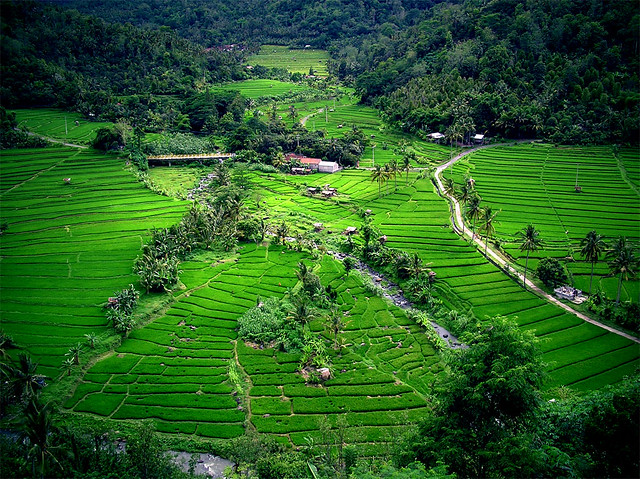
Original Bali rice-field photograph: rnugraha on Flickr.
On land
As the original guide suggested, a car with a driver can make a Bali transfer pleasantly straightforward, particularly with dive bags. A written quote that includes the route, waiting time and any stops is more useful than an old country-wide daily price. Local minibuses and buses can suit some journeys, but their practicality depends on the luggage and destination.
A scooter offers freedom but also exposes the rider to road risk. The required licence, helmet, experience and insurance cover all matter; renting a vehicle does not establish that the rider is legally licensed or insured. A driver or arranged transfer is often the simpler choice after a long flight.
Indonesia travel questions
Is one week enough for Indonesia?
It can be enough for one dive base with sensible travel buffers. Combining distant regions often gives away more diving time than expected.
Does every Komodo cruise start in Labuan Bajo?
No. Some longer itineraries use Bali, Maumere or other endpoints. The actual departure’s transfer instructions determine the flights.
Is the arrival declaration the same as a visa?
No. All Indonesia is a free arrival declaration; visa eligibility and fees are separate.
Can a non-diver join a liveaboard?
Some operators welcome them, but acceptance, price and activities are boat- and route-specific. A non-diving fare reduction should never be assumed.
Can I fly straight after the last morning dive?
The flight plan needs an appropriate surface interval after the final dive, following the applicable medical guidance and any more conservative operator rule. A morning dive and afternoon flight should not be assumed compatible.
Practical information checked 9 November 2026. Original credited photographs and useful advice have been retained; historical photographs do not establish current conditions. Individual flights, fares, permits and operator arrangements remain departure-specific.
Indonesia Photos
-
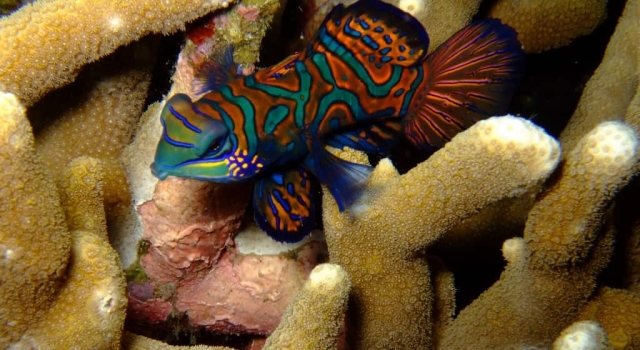 Beautiful & Colorful Mandarin FishPhoto by Rich Guest
-
 Yellow Seahorse in Lembeh StraitPhoto by Agnes Tjandranegara
-
 Blue Nudibranch in Lembeh StraitPhoto by Rich Guest
-
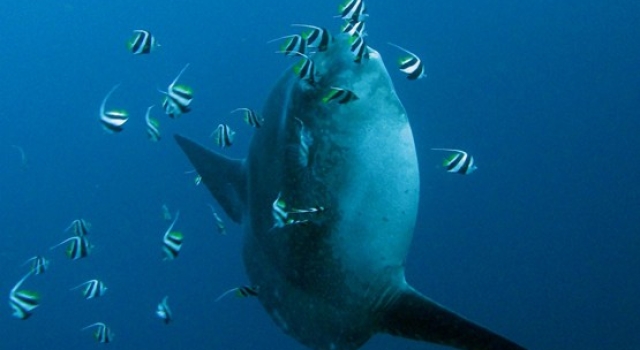 Mola Mola And Moorish IdolPhoto by Jihye Lee
-
 Clown fishes waiting in front of their blue anemone housePhoto by Jihye Lee
-
 Lion Fish swimming in crystal clear waterPhoto by Agnes Tjandranegara
-
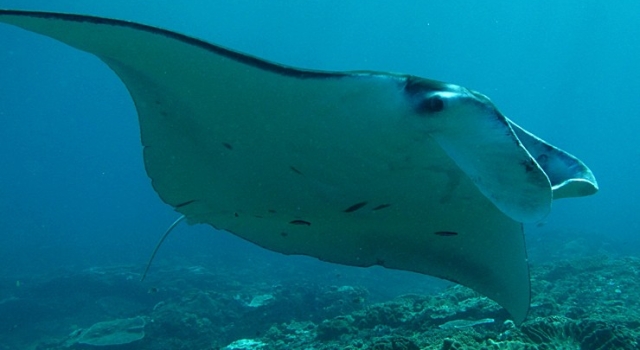 Flying Ray Manta in Bali!Photo by Jihye Lee
-
 FrogfishPhoto by Jihye Lee
-
 Surreal LifePhoto by Jihye Lee
-
 Lion FishPhoto by Jihye Lee
Scuba diving
You will find all information about sea life, best time to visit, top dive spots, etc. in our review: Indonesia Diving

Diving Reviews for this region
 destination of the month
Komodo Island
Komodo pairs busy coral pinnacles and manta habitat with quieter bays and southern macro reefs. The best plan matches your experience to the tides, with a choice of Labuan Bajo day boats or longer cruises.

Wakatobi
Coral gardens, walls and tiny reef residents, with distinct choices between local island diving, Wakatobi Resort and Pelagian cruises.
Raja Ampat
Fish-filled reef corners, tiny pygmy seahorses and manta encounters give Raja Ampat its extraordinary range. Resorts, homestays and liveaboards offer different ways into this remote Indonesian archipelago.
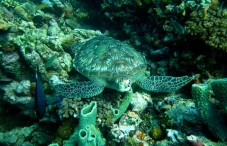
Gili Islands, Lombok
Turtles, reef slopes and short boat trips make the three Gilis an appealing diving base. Training-friendly profiles and deeper drift sites offer quite different days underwater.
Lembeh Strait
Lembeh’s volcanic sand hides frogfish, seahorses and other remarkable small creatures. Slow macro dives are the main draw, with coral sites and guided snorkelling adding variety.
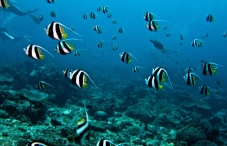
Bunaken, Manado
Bunaken pairs coral-covered walls with shallow reef gardens, turtle habitat and small creatures in the crevices. Island resorts and Manado-based boats offer different ways to enjoy the same marine park.
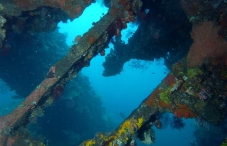
Tulamben
Tulamben’s USAT Liberty combines a shore-access wreck with reef life, while the Drop Off and nearby macro sites reward a longer stay. Rocky entries, depth and conditions still shape the dive.
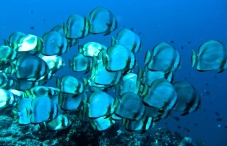
Pemuteran, Lovina
Pemuteran combines shore-access restoration reefs, short boat dives and rewarding macro excursions. Lovina is a separate north-coast base; Puri Jati and Secret Bay offer a different, sand-and-critter diving day.
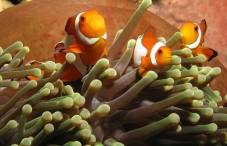
Padang Bai
Padang Bai rewards close looking: sandy slopes, reef fish and tiny macro subjects near Blue Lagoon and Jepun, with more demanding offshore dives available when conditions suit.
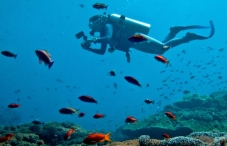
Nusa Penida / Nusa Lembongan
Manta cleaning stations, seasonal sunfish and lively coral drifts make Penida and Lembongan memorable. The best dive is the one matched to the current, swell and experience of the group.
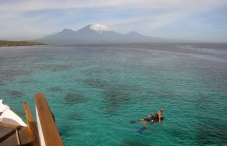
Menjangan Island
Menjangan’s reef shelves and coral-covered walls reward unhurried diving and snorkelling from mainland bases in northwest Bali. Clear water and sea fans are part of the appeal, with profiles and site choices matched to conditions and experience.
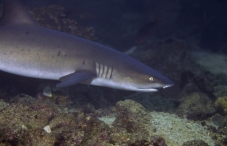
Candidasa
Candidasa’s offshore islets offer dramatic walls, schooling fish and reef-shark encounters, with seasonal sunfish possibilities. Strong, changeable currents make Tepekong, Mimpang and Biaha outings for suitably experienced divers and careful local planning.

Bali
Bali brings together the coral-covered Liberty wreck, east-coast macro life and the manta encounters and seasonal sunfish of Nusa Penida. Shore dives and drift dives suit different experience levels; currents, colder upwellings and the chosen base shape the trip.

Indonesia
From Bali's volcanic shores to Raja Ampat's coral gardens, discover Indonesia's wrecks, walls, manta encounters and remarkable macro life. The most rewarding region depends on the season, your experience and the diving you love.
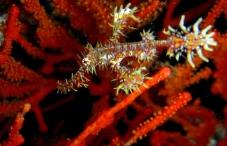
Amed
Amed combines volcanic-sand macro dives, shallow reef gardens, artificial reefs and deeper walls. Shore entries and short jukung trips make a rewarding east-Bali base, with sites chosen for experience and conditions rather than a promise of current-free diving.
Liveaboard Reviews in Indonesia
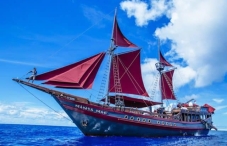
Manta Mae
Manta Mae brings a decorative, distinctly personal style to the phinisi experience. The appeal is a small group, a shaded table for long meals and a choice between a regional diving holiday and a longer island crossing. Choosing the right cabin and the
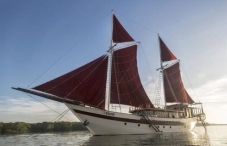
Tiaré Cruise
A long camera bench is a promising sight on a dive boat. So is a shaded bow lounge where the conversation can drift from a tiny nudibranch to the next island on the horizon. Tiaré brings these two pleasures together, with six ensuite cabins and a progr
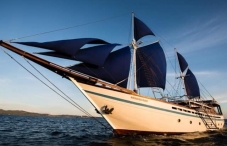
MV Samambaia
Samambaia pairs the lines of a wooden phinisi with a holiday built around diving. Fourteen guests share seven cabins, with a camera room for the equipment and a choice of indoor and outdoor spaces for the people. The Master cabin’s broad sea view is th
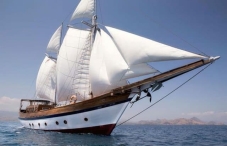
Mantra
The attraction of a small wooden boat is easy to understand: familiar faces at breakfast, a quiet deck after diving and an island view that keeps changing. Mantra’s published descriptions point to that kind of holiday, but its current booking details n
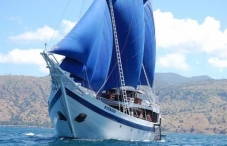
MS Ombak Putih
A morning with a mask and snorkel, an afternoon ashore, then dinner beneath the awning: Ombak Putih makes room for Indonesia above and below the water. This SeaTrek pinisi is a snorkelling and cultural cruise ship, not an onboard scuba-diving operation
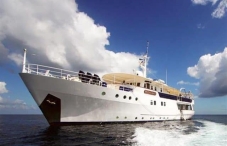
MV Pelagian
Pelagian photographs: Wakatobi / existing Divezone boat gallery.
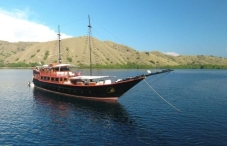
Samata
A morning underwater, a quiet afternoon on deck and dinner with the people you brought along: that is the attraction of Samata’s private-charter approach. Five suites give a family or group of friends a comfortable base for a holiday that can mix divin
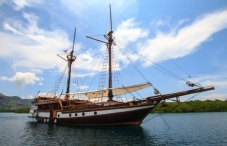
MS Wellenreng
A handful of friends, a shaded table and a tender ready for the next reef: Wellenreng has the ingredients for a pleasantly small-scale adventure. The three-cabin layout is especially appealing when everyone wants a say in the rhythm of the day.
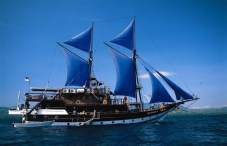
KLM Sea Safari VI
Indonesia · A smaller phinisi with a changing island programme
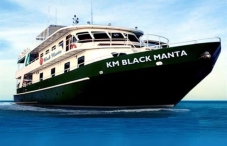
MV Black Manta Diving
Historical profile — current operator and departures unconfirmed. This page concerns the former White Manta Fleet vessel. It preserves its earlier description and travellers’ experiences; a similarly named liveaboard is not automatically the same boat.
Cruise ship Reviews in Indonesia
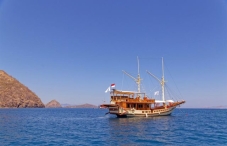
Phinisi Waecicu
The Phinisi Waecicu is a traditional Indonesian sailing boat offering adventure cruises in Indonesia. Built in 2012 and renovated in 2020, the 36-meter cruise ship offers a luxurious private retreat to the world-famous Komodo National Park. This sailin
If you have been to Indonesia before, please share your experiences, ideas and feedback (Hotel, Excursions, General Feeling,…) in the comments section below, by doing so you will help fellow travellers to plan their next trip