 Destinations
We can’t be everywhere at once, and so sometimes we have fellow divers keeping us, and you, informed about the best diving spots, trends and much more. Plus, what is better than having a local diver sharing tips about scuba diving in Australia ? Read below to discover more about scuba diving in Western Australia and Queensland!
Surrounded by the Indian, Pacific and Southern oceans, Australia offers far more than one reef holiday. But where to start: the west coast and beautiful Ningaloo Reef, or Queensland and the Great Barrier Reef? The best choice depends on your route, season and the kind of diving you enjoy.
Western Australia
The main city is Perth, it is home to many dive centers and plenty of diving opportunities. Not only are there numerous shore dives located between Perth and Rockingham in the south but also 1-hour boat ride from Fremantle is Rottnest Island.
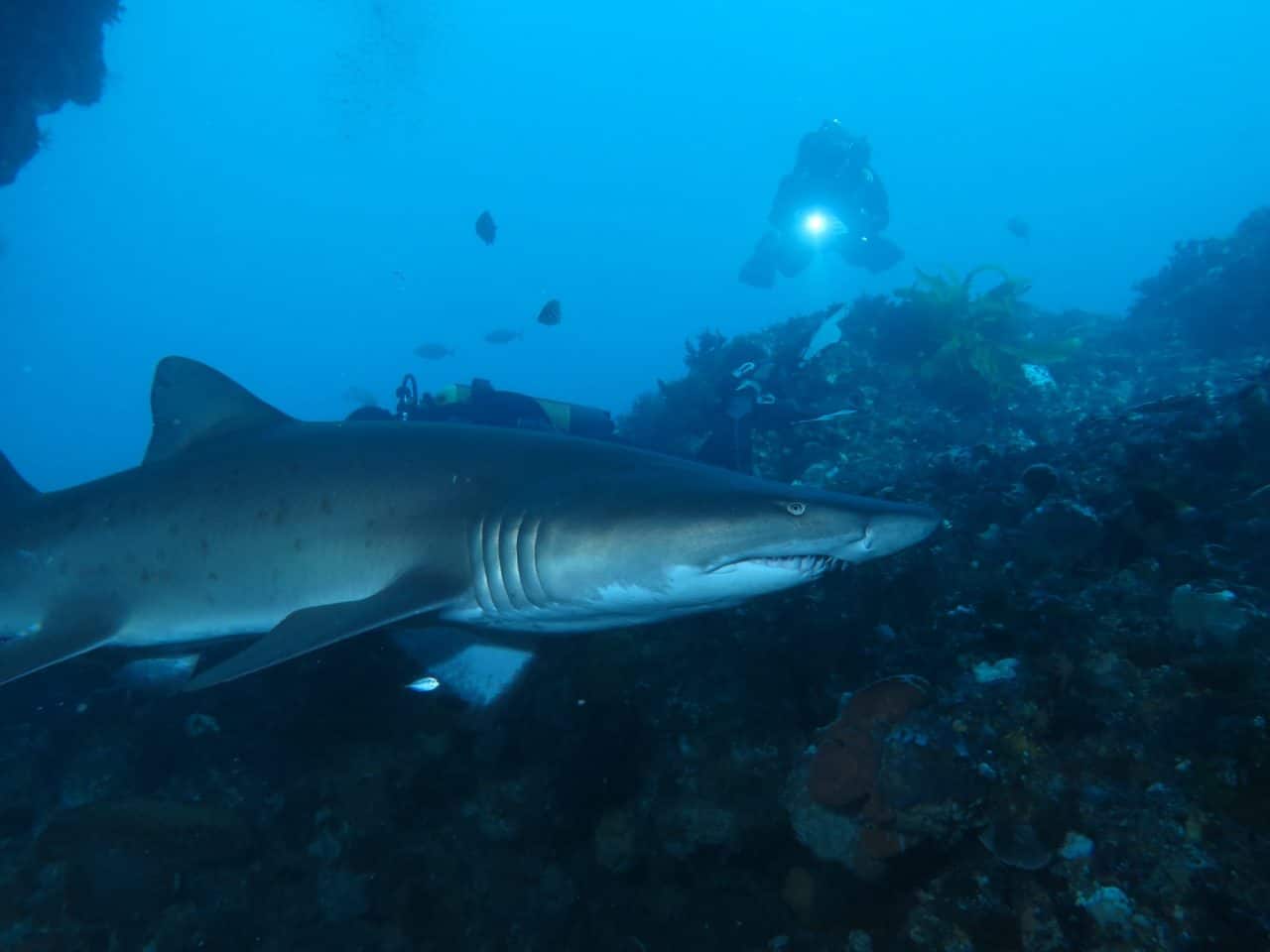
Rottnest Island is known for its beautiful turquoise waters and gorgeous Quokkas but also boasts great diving. An island made up of limestone, you will find large swim-throughs teaming with life with interesting structures and beautiful caverns. The most popular but hard to reach spot (because of its location, it often gets smashed by bad weather) is called Shark Cave. Its located west end of Rottnest Island and home to Grey Nurse Sharks. Normally at least 8 Sharks are spotted here year-round and if approached in a calm manner, they often hang around and are curious by divers.
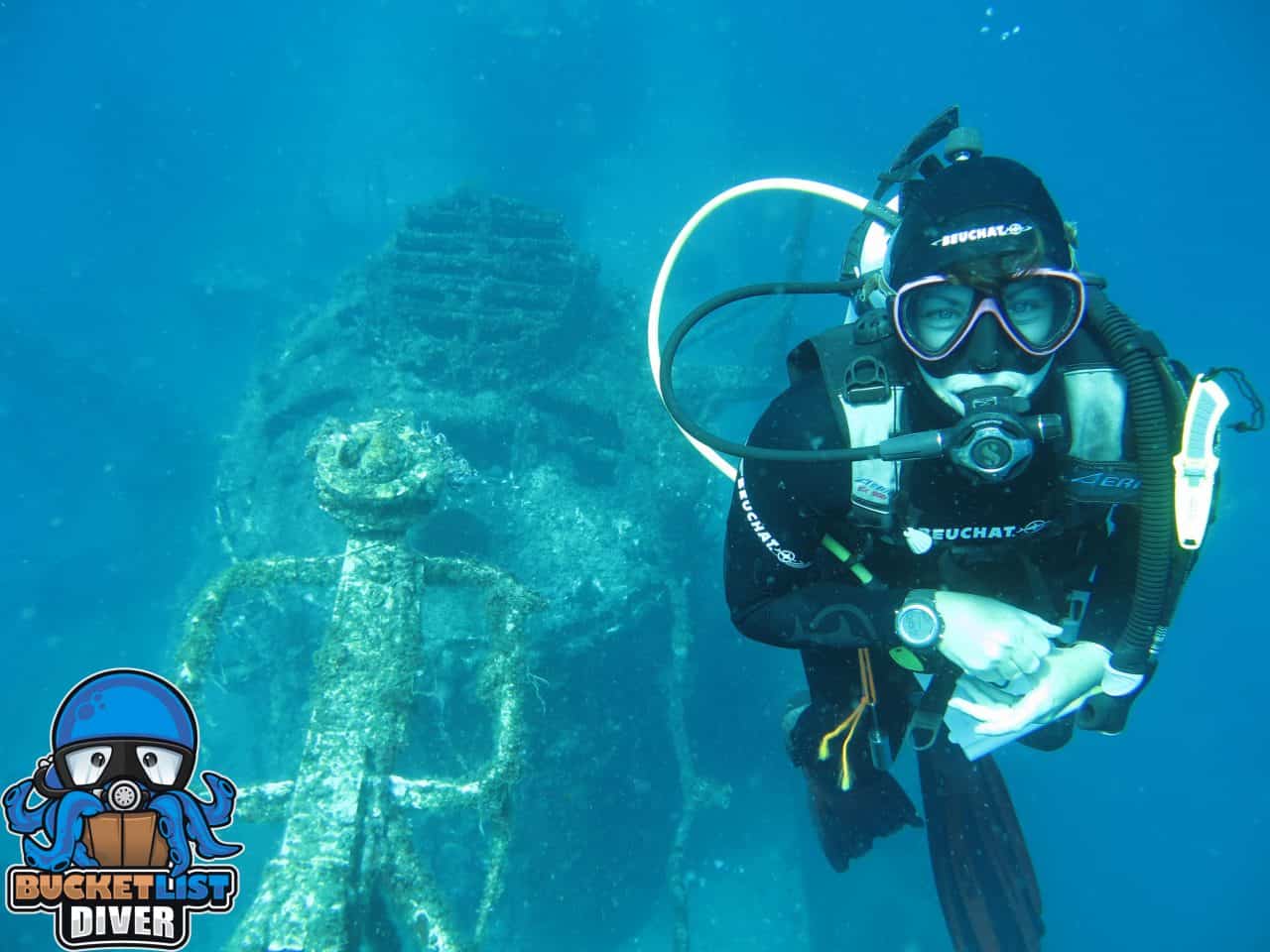
In the south of Western Australia, you will find more great diving such as the Lena wreck in Bunbury, Busselton Jetty, HMAS Swan near Dunsborough and HMAS Perth near Albany. These are not interchangeable beginner dives: depth, swell, visibility and wreck hazards change the experience, and penetration requires suitable training. Summer often offers a more comfortable starting point for southern trip planning, but the local forecast and operator briefing matter more than a seasonal promise of clear water. Further north, Coral Bay opens onto Ningaloo Reef, with corals, manta rays and seasonal whale encounters. Asho’s Gap is a shark-cleaning site where reef sharks may be seen attended by cleaner wrasse. For the current wildlife seasons and practical alternatives, use our Ningaloo diving guide.
North of Coral Bay, Exmouth is another base for exploring Ningaloo. Its well-known Navy Pier attracts groupers, schooling fish, sharks and smaller marine life, but Navy Pier is currently closed for extensive maintenance. Dive Ningaloo has not confirmed a reopening date while it awaits Department of Defence updates (checked 13 October 2026). Do not plan a dive there until access resumes. Even when operating, this naval site is not open to independent public access; visits require the licensed operator and suitable tidal conditions. The operator’s access notice takes priority over older trip reports.
Queensland
Who hasn’t heard of the Great Barrier Reef? There are many reefs to explore, although bleaching and storm damage mean conditions vary between sites and years. Cairns and Port Douglas are both useful bases for reaching the reef. Choose the sites and trip style that suit you rather than expecting identical conditions across this enormous region.
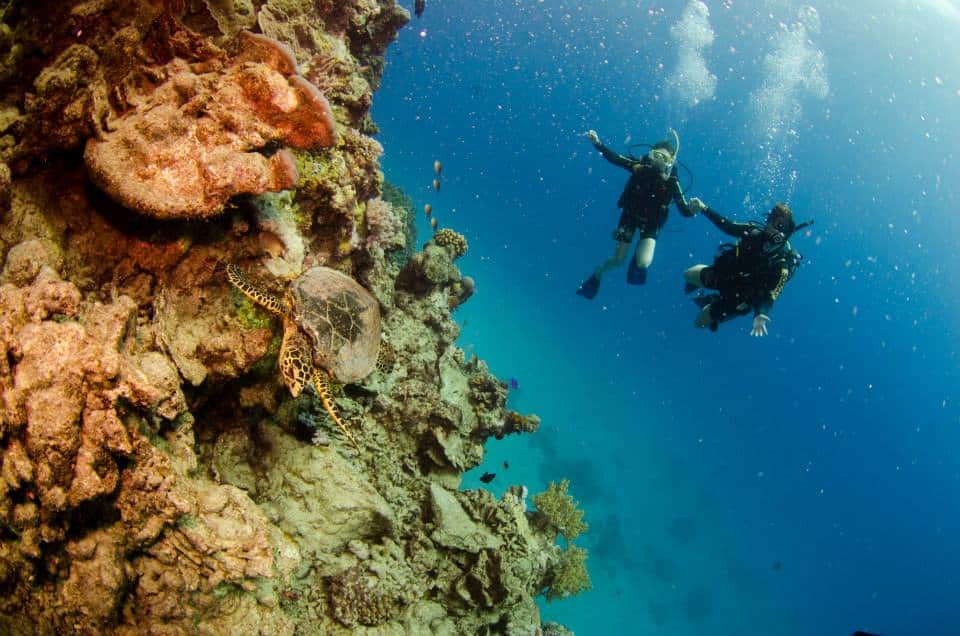
June and July are the main period to consider for specialist dwarf minke whale trips in the northern Ribbon Reefs. Encounters are usually organised as carefully managed snorkelling experiences, with the whales choosing whether to approach. A seasonal departure offers an opportunity, never a guaranteed sighting; follow the operator’s wildlife briefing.
The northern Ribbon Reefs are a rewarding liveaboard choice, with sites such as Steve’s Bommie, Pixie Pinnacle and Cod Hole. North Horn is at Osprey Reef in the Coral Sea, not in the Ribbon Reefs. Some longer expeditions combine both regions, but a Ribbon Reefs booking alone does not establish a visit to North Horn. Parks Australia describes Osprey as a remote offshore reef for experienced divers; compare the actual itinerary and conditions before booking. Further south, the SS Yongala wreck is reached from the Townsville / Ayr region. Its fish life can be extraordinary, with rays, groupers, barracuda, turtles and trevally among the possible sightings. Currents and sea conditions can make the dive demanding; this protected wreck must not be penetrated.
Whichever coast you discover, you will certainly have some great diving and will not be disappointed.
Access and geography updated 13 October 2026. References: Parks Australia: Osprey Reef; Navy Pier operator notice linked above.






Hi there,
I got my PADI back in Autralia when i was backpacking, I also got my advanced. But now I’m working fulltime (to bad haha) but I got the change to go on holiday for three/four weeks. And I’m think to get more expierenced en trained in diving. The underwaterworld is so spectecular, no words can bescrive. But I know to get to be an instructur you need a lot of steps. Is there a win win situation that I can work for you and can do my diving training at your place? I’m from Holland but really motivated.
hi im korean
i want going to the Ast
because i like see and keep going in the sea
plz look it my lpt
endeavor egs well to in ast
ilt 700
I’m studying steadily
i want pr toktcing to cic