 Destinations
If you have been to Australia before, please share your experiences, ideas and feedback (Hotel, Excursions, General Feeling,…) in the comments section below, by doing so you will help fellow travellers to plan their next trip

Australia is a very popular travelling destination for backpacker and family holidays. Its contrasting landscapes are spectacular, ranging from lush rainforests to dry deserts. For a diving holiday, the most useful first decision is simple: which coast do you want to explore?
Cairns works well for the northern Great Barrier Reef; Exmouth and Coral Bay are the main bases for Ningaloo. They are separate journeys, not neighbouring resorts. A little restraint in the itinerary leaves much more time for the holiday itself.
In this page you will find practical information to plan a scuba diving trip to Australia:
Table of contents
Where to stay?
I usually use this website to book in advance my hotels in Australia as they usually have the lowest rates I find. I like it because it's free to cancel and change the dates.
Australia has a wide range of accommodation to offer. For lower budgets, there are hostels, camping sites and caravan parks. For higher budgets and those who prefer a little luxury, there are hotels and resorts, including in Port Douglas.
For reef diving, location often matters more than a long list of facilities. A Cairns city hotel can simplify an early pickup; Port Douglas offers a different base and transfer plan. At Ningaloo, choose Exmouth or Coral Bay to suit your booked activities. On a liveaboard, the cabin replaces the hotel only for the cruise nights, not the arrival and return buffer.
What belongs in the holiday budget?
- The cruise or day-trip fare, on the correct per-person and cabin-sharing basis.
- International and domestic flights, baggage, land transfers and any rental vehicle.
- Hotels and meals before and after the boat.
- Mandatory reef charges or fuel supplements when they are not already included.
- Equipment, Nitrox, private guiding or courses where they cost extra.
- Insurance, drinks, personal spending and optional excursions.
Australian dollar prices should be compared for the same duration and inclusions. A one-night snorkelling fare is not a substitute for a multi-night certified-diving quote. Our budget Great Barrier Reef guide and higher-comfort Great Barrier Reef guide address different choices.
Activities and excursions in Australia
A holiday together, even if only one of you dives
A land base gives mixed-interest travellers room to choose their own pace. Around Cairns and Port Douglas, reef days can sit alongside rainforest outings; the Whitsundays combine island stays and sailing. Ningaloo offers dedicated snorkelling and wildlife experiences as well as scuba options. These are separate bookings unless the itinerary expressly includes them.
For a shared night on the reef, OceanQuest publishes a snorkelling programme with its own fare. Other cruise operators set their own rules for non-divers, children and in-water supervision. The Australia diving guide has a practical non-diver example and its price conditions.
What does a non-diver pay?
OceanQuest lists AUD 730 per person for one night or AUD 950 for two nights, sharing a twin or double cabin, valid to 31 March 2027. Meals, snorkelling equipment and compulsory reef charges are included; sole occupancy and optional activities cost extra. It is an outer-reef stay with snorkelling and time aboard, rather than daily island visits. Families should arrange supervision with the operator before booking.
OceanQuest snorkelling fare and conditions. Prices checked 9 October 2026.

Best time to visit Australia
Australia’s seasons run opposite to those in the northern hemisphere: summer is December–February, autumn March–May, winter June–August and spring September–November.
The tropical north also has a wet and dry cycle. November–April is broadly the wet season, with heat, heavy rain and possible tropical storms; May–October is broadly drier. These patterns do not guarantee calm water or an uninterrupted sailing. Southern Australia and the southwest have different climates, so a single “hot and dry all year” description is misleading.
Book around the reason for your visit: a reef course, a minke-whale departure and a Ningaloo whale-shark outing may point to different dates. Our Australia diving guide explains these underwater choices. School holidays and Christmas can also affect accommodation availability.
Tourism Australia’s seasons guide, checked 9 October 2026.
Health and Safety
Build the return journey around the end of your diving. DAN recommends at least 18 hours before flying after multiple dives or multiple days of no-decompression diving; an operator may require a longer interval. Pro Dive Cairns recommends 24 hours. Follow the applicable longer requirement and leave room for schedule changes. Dives involving decompression and any symptoms require separate medical advice.
DAN flying-after-diving guidance and Pro Dive Cairns trip conditions.
Arrange insurance that covers the diving you plan, the relevant depth and certification, treatment and evacuation. A boat’s included dive cover is not necessarily comprehensive holiday insurance. Keep policy details and the operator’s contact information available offline.
Health and vaccination advice depends on your itinerary and travel history. Australia has specific border guidance for arrivals from yellow-fever risk areas; consult the official yellow-fever information and your travel-health professional where relevant.
On land and at the coast, follow local warnings for heat, weather, swimming and wildlife. Remote travel needs more preparation than a city stay. A familiar-looking beach is not an invitation to ignore a warning sign.

Photo: original photographer.
If you are planning an upcoming dive trip or travelling to Australia, it is a really good idea to invest in travel insurance for scuba diving, because you never know what could happen and when you might need it (because accidents do happen!). I recommend this diving insurance as they offer worldwide coverage and focus on providing scuba divers a quality insurance and medical assistance service.
Where is Australia located in the world?
Australia’s reef gateways are widely separated. The map distinguishes Cairns-based reef trips, Rowley Shoals departures from Broome and the Fremantle–Dampier West Coast Explorer. Book flights around the exact joining and leaving points; route lines are indicative, not navigation tracks.
See the map below.
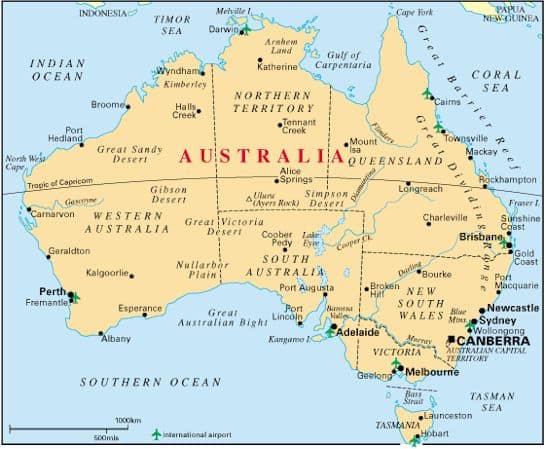
Australia itinerary map
Choose routes independently or overlay several. Numbered regional/site references show the order; straight connections are indicative, not navigational tracks. Weather, permits and the booked departure determine actual stops.
- Cairns outer reefs · Scubapro example: Cairns Marlin Marina → Flynn Reef → Milln Reef → Thetford Reef → Cairns Marlin Marina.
- Ribbon Reefs · 3 nights: Cairns waterfront → Steve’s Bommie → Lighthouse Bommie → Cod Hole → Lizard Island.
- Coral Sea · 4 nights: Lizard Island → Cod Hole → Osprey Reef / North Horn → Steve’s Bommie → Cairns waterfront.
- Ribbons & Coral Sea · 7 nights: Cairns waterfront → Steve’s Bommie → Lighthouse Bommie → Cod Hole → Lizard Island → Osprey Reef / North Horn → Steve’s Bommie → Cairns waterfront.
- Minke season · Ribbon Reefs: Cairns waterfront → Steve’s Bommie → Lighthouse Bommie → Cod Hole → Lizard Island.
- Far North · northbound: Cairns waterfront → Cod Hole → Tijou Reef → Horn Island.
- Far North · southbound: Horn Island → Tijou Reef → Steve’s Bommie → Cairns waterfront.
- Ribbons and Beyond: Cairns waterfront → Norman Reef → Cod Hole → Tijou Reef → Steve’s Bommie → Cairns waterfront.
- Southern Adventure: Cairns waterfront → Myrmidon Reef → Flinders Reef, Coral Sea → Cairns waterfront.
- Far East Exploration: Cairns waterfront → Flinders Reef, Coral Sea → Magdelaine Cays reef → Lihou Reef → Herald Cays reef → Holmes Reef → Cairns waterfront.
- Yongala expedition: Cairns waterfront → SS Yongala → Cairns waterfront.
- Coral Sea Exploratory · 7 nights: Cairns waterfront → Holmes Reef → Bougainville Reef → Osprey Reef / North Horn → Cod Hole → Steve’s Bommie → Cairns waterfront.
- Northern Exposure · 7 nights: Cairns waterfront → Cod Hole → Raine Island reef → Great Detached Reef → Horn Island.
- Ashmore Exploratory · 7 nights: Horn Island → Great Detached Reef → Raine Island reef → Ashmore Reef, Coral Sea → Horn Island.
- Yongala & Coral Sea · 7 nights: Townsville · Breakwater Marina → SS Yongala → Flinders Reef, Coral Sea → Holmes Reef → Cairns waterfront.
- Coral Sea Odyssey · 10 nights: Townsville · Breakwater Marina → SS Yongala → Flinders Reef, Coral Sea → Holmes Reef → Bougainville Reef → Osprey Reef / North Horn → Cod Hole → Steve’s Bommie → Cairns waterfront.
- Rowley Shoals · 8 days: Broome departure area → Clerke Reef → Mermaid Reef → Broome departure area.
- West Coast Explorer · 10 nights: Fremantle embarkation area → Houtman Abrolhos → Steep Point · Shark Bay → Coral Bay · Ningaloo → Montebello Islands → Dampier disembarkation area.
These are examples from the named boats, not interchangeable guaranteed circuits. Fly/dive programmes include separate air transfers. Special expeditions have their own experience rules and limited dates. See each boat review for route-specific sources and joining instructions.
Principal dive-site references
- Flynn Reef: Reef reference for sites such as Gordon’s Mooring and Tracy’s Bommie; not an exact dive mooring.
- Milln Reef: Reef reference; Swimming Pools and Whale Bommie are among the operator’s named sites.
- Thetford Reef: Reef reference; bommies, walls and swim-throughs, with site choice governed by conditions.
- Steve’s Bommie: Ribbon Reef pinnacle, known for concentrated fish life and smaller reef creatures.
- Lighthouse Bommie: Ribbon Reef pinnacle; seasonal minke encounters are never guaranteed.
- Cod Hole: Northern Ribbon Reef site associated with potato cod. Follow the dive briefing and wildlife rules.
- Osprey Reef / North Horn: North Horn reference at the northern tip of Osprey Reef. Offshore access depends on weather.
- Tijou Reef: Reef reference from a published survey, not the exact dive entry point.
- Norman Reef: Outer reef reference used in the Ribbons and Beyond sample departure.
- Myrmidon Reef: Outer shelf reef reference; strong ocean conditions require suitable experience.
- Flinders Reef, Coral Sea: Offshore reef reference, distinct from Flinders Reef near Brisbane.
- Magdelaine Cays reef: Reef-group reference. A diving visit does not include permission to land on closed cays.
- Lihou Reef: Large reef-system reference, not an exact mooring or entry point.
- Herald Cays reef: Reef-group reference. Access restrictions apply to landings on protected cays.
- Holmes Reef: Reef reference from published survey coordinates; actual dives depend on conditions.
- SS Yongala: Wreck reference; weather and currents control access. No penetration of this protected wreck.
- Bougainville Reef: Reef reference from published survey coordinates; not a guaranteed entry point.
- Raine Island reef: Offshore reef reference. A dive visit does not imply permission to land on the nesting island.
- Great Detached Reef: Far Northern Reef reference; exact dive sites are chosen aboard.
- Ashmore Reef, Coral Sea: Far Northern Coral Sea reef, not Ashmore Reef off Western Australia.
- Clerke Reef: Atoll reference: Aquarium, walls, channels and Bedwell Island in the sample programme. Site selection depends on tides.
- Mermaid Reef: Atoll reference: Mermaid Wall, Coral Gardens and channel dives. Exact entry points are set by the crew.
- Houtman Abrolhos: Island-group reference. The sample trip spends several days exploring the Abrolhos.
- Steep Point · Shark Bay: Headland reference, not a dive-entry coordinate.
- Coral Bay · Ningaloo: Town reference for the Ningaloo section; actual reef sites depend on conditions.
- Montebello Islands: Archipelago reference for the final exploration days.
Map references checked 9 October 2026: Published reef survey coordinates; Cod Hole; Steve’s Bommie; Lighthouse Bommie; Ashmore Reef; Lizard Island; Horn Island; Townsville marina; Yongala · OceanQuest · Pro Dive Cairns · Spirit of Freedom · Mike Ball Dive Expeditions. Positions are for trip planning, not navigation.
How to get to Australia?
Most international visitors arrive by air, then connect to their diving region. The best arrival airport is the one that fits your actual departure port. A bargain flight to the wrong side of the country may not be such a bargain once domestic flights and extra hotel nights are included.
| Holiday base | Arrival plan | Practical detail |
|---|---|---|
| Cairns / northern Great Barrier Reef | Cairns Airport, then the city | Many reef boats leave early. An arrival night in Cairns is a useful buffer; the operator confirms check-in and any hotel pickup. |
| Port Douglas | Cairns, then a road transfer north | Allow roughly an hour on the coastal road plus airport formalities and transfer waiting time. A Cairns hotel pickup is not automatically a Port Douglas pickup. |
| Ningaloo / Exmouth | Learmonth Airport (LEA), then Exmouth | Exmouth is around 36 km from the airport. Arrange the onward transfer or rental car; Coral Bay needs a separate plan. |
| Whitsundays | Proserpine (PPP) for Airlie Beach, or Hamilton Island (HTI) | Choose the airport to match mainland or island accommodation and the boat’s departure point. |
Arrival buffer: reaching the embarkation town the previous day is sensible editorial planning advice, especially after an international connection. It is not a promise that every boat provides an overnight hotel or airport transfer.
Gateway references checked 9 October 2026: Port Douglas, Ningaloo, Great Barrier Reef gateways.
Western Australia expedition gateways
Odyssey’s Rowley Shoals diving programme joins in Broome. True North’s ten-night West Coast Explorer travels from Fremantle to Dampier, so it needs different arrival and return arrangements. Some east-coast fly/dive trips use Lizard Island or Horn Island. The operator confirms the included air segment, baggage limit and ground transfer; a named port on a route map is not an airport-transfer promise.
Do I need a visa for Australia?
Your passport, nationality and purpose of travel determine the correct entry permission. Use the Australian Department of Home Affairs visa finder before booking non-refundable travel. Visitor options include the eVisitor (subclass 651), Electronic Travel Authority (601) and Visitor visa (600), but they are not interchangeable and eligibility differs.
Where applicable, the ETA and eVisitor allow visits of up to three months at a time within a 12-month validity period. The stay allowed on your grant is what matters; “valid for 12 months” does not mean you can stay continuously for a year. Processing times and entry requirements should be checked for your own circumstances.
Bringing dive gear and food
Australia takes biosecurity seriously. Clean used outdoor equipment before travelling and complete the required declarations accurately. Food and natural materials may need declaration or may be prohibited; use the Australian Border Force item guide instead of guessing at the airport.
Formalities checked against official information on 9 October 2026.

Photo: original photographer.
Getting Around
Distances to cover are huge in Australia, and flying is often the practical choice between widely separated diving regions. Compare the full fare with checked dive equipment, connections and airport transfers included. A short domestic flight on the map can still use most of a holiday day.
Road, rail and coach
A coastal road trip can be a lovely part of the holiday, provided it is a trip in its own right rather than a rushed transfer. Rail and coach services also connect many destinations, but schedules and journey times deserve checking before fixing a boat departure. Remote-area driving needs a suitable vehicle, supplies and a plan for conditions and communications.
Within a diving base, the boat’s pickup arrangements may be enough for reef days. For Ningaloo, accommodation, beaches and tour meeting points can be spread out: a rental car or prearranged transfer can make a real difference. Confirm the meeting point printed on the booking, rather than heading automatically to the nearest marina.

Photo: original photographer.
Before you pack the fins
Choose your region and dates, reserve the diving that matters most, then fit flights and accommodation around the boat’s actual check-in and return times. Save your booking, entry permission, insurance and operator details offline. A soft overnight bag, sun protection, suitable warm layers, prescribed medication and your certification information usually earn their space more easily than a second pair of smart shoes.
Can I fly home on the day my liveaboard ends?
The boat’s return time alone cannot answer that. The interval runs from your final dive, and your operator may require a longer wait than the general minimum. Plan the flight only after reconciling both times.
Should I stay in Cairns or Port Douglas?
Choose the base for the trips you have booked. Cairns is the departure point for many liveaboards; Port Douglas is a separate road transfer and reef-trip base. Do not assume one town is covered by the other’s hotel pickup.
What is the easiest way to avoid too much travelling?
Build a first trip around one region. The Great Barrier Reef and Ningaloo each justify their own holiday, with plenty to enjoy above the surface as well.
Continue with our Australia diving guide and Australia liveaboard guide. Travel information checked 9 October 2026.
Australia Photos


Scuba diving
You will find all information about sea life, best time to visit, top dive spots, etc. in our review: Australia Diving

Diving Reviews for this region
Townsville
Townsville combines Great Barrier Reef day trips, the Museum of Underwater Art at John Brewer Reef and access to the SS Yongala wreck. Magnetic Island adds a nearby island stay. Choose the reef/art trip for a mixed party; choose Yongala only after checking the operator’s experience requirements.
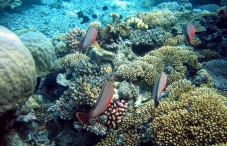
Cairns
Cairns is a practical base for Great Barrier Reef day boats, learn-to-dive courses and liveaboards. Depending on your time, your budget, and your diving certification you can dive in many places around Cairns. Choose nearby outer reefs for a short visit, or a northern Ribbon Reefs/Coral Sea itinerar
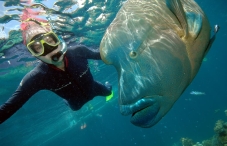
Great Barrier Reef
The Great Barrier Reef is a long reef system off Queensland, not a single dive site. Choose Cairns for the largest range of reef boats and northern liveaboards, Port Douglas for Agincourt day trips, Townsville for MOUA and Yongala access, or the Whitsundays for island holidays and Hardy Reef.
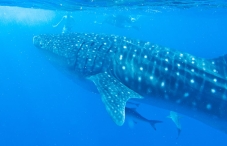
Ningaloo Reef
The Ningaloo Reef is located on the stunning West Coast of Australia. Choose Exmouth for the North West Cape and Coral Bay for a compact reef holiday farther south. This is a fringing-reef destination with shore snorkelling, boat dives and seasonal wildlife trips; it is not part of the Great Barrier
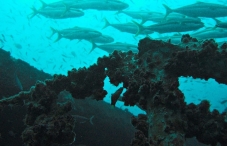
Port Douglas
Port Douglas is a small, beautiful coastal town of North Queensland famous for its beach and reef life. Its main diving choice is a day boat to the Agincourt reef system, with the Daintree area close enough for a separate land day. Do not confuse this with a liveaboard expedition to Cod Hole or Ospr
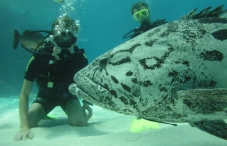
Australia
From the Great Barrier Reef and Ningaloo to southern wrecks and seadragons, Australia rewards choosing a region and season that suit the diving you love.

Whitsunday Islands
When diving in the Whitsunday Islands you have two possibilities: the local spots or going further out on the Great Barrier Reef. Airlie Beach is the mainland base, while Hamilton Island offers a resort-and-airport alternative. Decide whether you want island sailing with some snorkelling or a trip d
Liveaboard Reviews in Australia
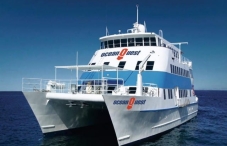
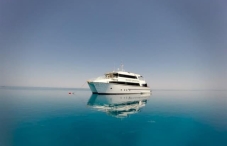
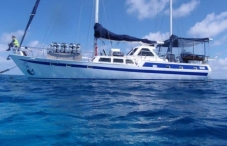
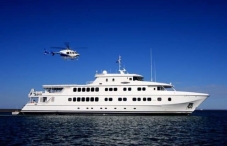
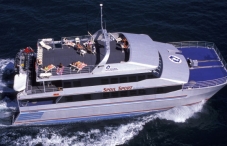
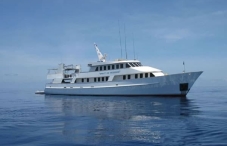

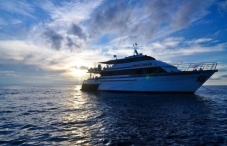
Cruise ship Reviews in Australia



Free Australia maps city by mail