
If you have been to Philippines before, please share your experiences, ideas and feedback (Hotel, Excursions, General Feeling,…) in the comments section below, by doing so you will help fellow travellers to plan their next trip

A good Philippines diving holiday starts with the right island base and enough time between connections. A week around Anilao, Panglao or Malapascua feels very different from a fixed liveaboard departure to Tubbataha. The country rewards unhurried travel: crossing several islands can mean a flight, a road journey and a boat ride before the next dive.
Land-based travel is often slower when ferries link the islands. For a short stay, one main region usually leaves more room for diving and relaxed evenings; with longer, a second base can add a different kind of underwater experience. The important comparison is the whole door-to-door journey, not simply the flight time.
In this page you will find practical information to plan a scuba diving trip to Philippines:
Table of contents
Where to stay?
I usually use this website to book in advance my hotels in Philippines as they usually have the lowest rates I find. I like it because it's free to cancel and change the dates.
A coastal base gives flexibility; a liveaboard gives access and a fixed rhythm. Neither is automatically the better holiday. The choice depends on the dives, the people travelling together and how much moving around feels enjoyable.
Anilao: a dive-focused mainland stay
Anilao works well for a holiday built around macro diving and photography. Accommodation and diving are usually planned together, with a road transfer from Manila. A hotel near the airport on arrival can be useful when a late flight would otherwise turn the first night into a long drive.
Panglao and Bohol: a base for mixed interests
Panglao offers a convenient base for reef trips alongside beach time and land excursions. Staying in one place can be particularly pleasant for a couple or family whose interests differ. Balicasag is a boat outing, rather than the name of the main accommodation area.
Malapascua: an island stay with an extra transfer
Malapascua combines local diving with its well-known shark excursions. Reaching it involves northern Cebu and a sea crossing, so an international arrival in Cebu is only the first part of the journey. The return connection needs the same care.
Coron: wreck diving from the Calamianes
Coron town and resorts around Busuanga serve different styles of stay. Distance from the airport, the dive centre’s pickup arrangements and the route to the chosen wrecks all affect the daily routine. A remote resort may be appealing, but it is not equivalent to staying near the town’s services.
Tubbataha: the boat is the accommodation
Tubbataha is an offshore liveaboard destination. There is no resort stay on the reefs to combine with a day boat. Puerto Princesa supplies the arrival or departure hotel, while accommodation during the cruise is aboard the vessel.
Activities and excursions in Philippines
Travelling with a non-diver?
A land-based stay usually gives companions more freedom to choose their day. Panglao and Bohol combine beaches with inland sightseeing; Coron can combine a resort stay with separately arranged excursions. The activities included in a hotel package or boat tour still need checking individually.
Liveaboard acceptance is a different question. Seadoors is marketed as non-diver friendly and lists snorkelling guidance and shore activities, but its non-diver fare and the programme on each route require confirmation. Atlantis’s liveaboard information says snorkelling is not allowed at Tubbataha. These policies should not be generalized to every boat in the Philippines.
There is no verified destination-wide non-diver discount. A price reduction, if offered, should specify the cabin, occupancy, duration and what remains included. Offshore passages and repeated dive stops can mean long periods aboard, even when a companion is welcome.
Seadoors facilities and booking details · Atlantis liveaboard policies
Time between diving days
A day without diving can be part of the holiday rather than simply a gap between activities. Around Bohol, inland sightseeing offers a contrast to reef days; on a liveaboard, the equivalent may be reading on deck during a passage. Shore visits, swimming and snorkelling depend on the actual itinerary, permits and conditions.

Best time to visit Philippines
The broad Philippine climate pattern is drier from December to May and wetter from June to November, but regional exposure matters. Tubbataha normally has a March–June liveaboard season; a coastal centre operating year-round does not mean its conditions stay the same.
Weather affects the holiday above water too. Ferry suspensions, changed boat departures and disrupted flights can turn a tightly connected itinerary into a difficult one. A spare night around an important sailing is often more useful than squeezing in one additional island.
PAGASA climate information · Diving seasons and conditions by region
Health and Safety
Travel advice needs to match the actual route. The Philippines should not be treated as one uniform risk zone, and the presence of a dive operation does not override a government advisory. The FCDO currently advises against travel to specified parts of Mindanao and the Sulu archipelago, with different advice for other areas. The detailed map and your own government’s current advice are more useful than an old blanket reassurance about “the south”.
Current FCDO regional advice and insurance guidance
Insurance should cover the actual diving, itinerary and evacuation arrangements. Remote offshore diving also needs an operator emergency plan; a generic statement that insurance is available does not establish what is covered. Health preparation and medication questions belong with a qualified clinician or travel-health service.
Flying after diving needs its own space in the itinerary. DAN recommends at least 12 hours after one no-decompression dive and at least 18 hours after repetitive or multi-day no-decompression diving; diving requiring decompression stops calls for substantially longer. These are minimum recommendations for asymptomatic divers, not a guarantee against decompression sickness.
DAN flying-after-diving guidance
Packing and documents that make the trip easier
Passport and entry documents, offline booking confirmations, certification and dive log, insurance details and operator contacts belong together. Personal medication, sun and rain protection and suitable footwear are useful on both resort and boat holidays.
Equipment and rental requests are best settled before departure, including exposure protection, prescription mask needs and any special tank or Nitrox arrangements. Airline rules govern baggage, batteries and dive lights; the boat or hotel can confirm its sockets and charging facilities. Downloaded documents are useful when mobile coverage is unreliable offshore.
If you are planning an upcoming dive trip or travelling to Philippines, it is a really good idea to invest in travel insurance for scuba diving, because you never know what could happen and when you might need it (because accidents do happen!). I recommend this diving insurance as they offer worldwide coverage and focus on providing scuba divers a quality insurance and medical assistance service.
Where is Philippines located in the world?
The Philippines is an archipelago, so an airport near one diving region may be a poor choice for another. Coron, Puerto Princesa and El Nido, for example, are different arrival points; “Palawan” alone is not precise enough for booking a transfer.

How to get to Philippines?
The most useful arrival airport follows the destination and the actual flight schedule. Manila, Cebu and Clark are distinct gateways, not interchangeable terminals.
| Gateway | Useful context | Connection to plan |
|---|---|---|
| Manila · MNL | International gateway and a starting point for road travel towards Anilao | Traffic, immigration, baggage and any terminal transfer |
| Mactan–Cebu · CEB | Cebu-based stays and many Visayas liveaboards | The airport is on Mactan; the north-Cebu transfer to Malapascua is a separate substantial journey |
| Clark · CRK | An alternative Luzon gateway | Its own flight network and ground transfer; Clark is not a NAIA terminal |
| Puerto Princesa · PPS | The usual gateway for Tubbataha liveaboards | The operator’s hotel/airport pickup and harbour joining instructions |
| Busuanga · USU | Coron and Busuanga stays | Airport-to-resort or town transfer; it is not Puerto Princesa |
| Bohol–Panglao airport | Panglao and Bohol stays | Road transfer to the chosen accommodation |
Airline routes and terminal assignments change. The booked airline’s current instructions are a better reference than an old destination guide. Separate tickets also mean that a missed onward service may not be protected by the first carrier.
For a liveaboard, an arrival night before embarkation is a useful planning buffer. It is a recommendation, not a universal operator rule. The exact latest boarding time, pickup point and return arrangements belong to the dated cruise instructions.
Manila airport authority information · Busuanga municipality transport information · Panglao visitor information
Do I need a visa for Philippines?
Entry permission depends on nationality, passport and purpose of travel. Many eligible visitors can enter visa-free for an initial 30 days, but that is not a universal visa-on-arrival scheme. Other nationalities and document combinations have different periods and conditions.
The Philippine Department of Foreign Affairs publishes the applicable visa-free categories, passport-validity conditions and onward-ticket requirements. Its current policy is the appropriate starting point, followed by the Philippine embassy or consulate responsible for your application. An extension should not be assumed simply because a flight has been booked for a later date.
Official visa-free entry policy · Bureau of Immigration extension information
eTravel registration
The official eTravel portal says arriving foreign passengers normally need to register, with specified official/diplomatic exceptions. Registration is free. Its FAQ gives a window within 72 hours before arrival, and the QR code should be saved for boarding and arrival checks. eTravel registration is separate from any visa requirement.
Official eTravel FAQ and registration guidance
Money and payments
The local currency is the Philippine peso (PHP). A useful written quote distinguishes costs paid in advance from cash payments aboard or at the dive centre. Card acceptance, transaction fees and the currency for extras should be agreed with the operator; a remote cruise is a poor place to discover an unexpected cash-only charge.

Getting Around
Transfers work best when they are planned as a complete chain. An airport pickup, a long drive, a ferry and a final resort transfer may be sold separately. The useful questions are who meets the traveller at each stage, what happens after a delay, and whether luggage and dive bags fit the booked service.
For island crossings, the current ferry timetable and the resort’s advice matter more than an old fixed departure time. Daylight, weather and local operating decisions can affect the final boat leg. An onward flight on the same day leaves less room for disruption than a night near the departure airport.
Boat choice and the wider budget
A liveaboard quote should identify the actual departure, both ports, number of nights, cabin category and occupancy. Seadoors, for example, offers distinct Visayas and Tubbataha programmes; selecting the boat name alone does not settle the route.
As a dated reference, Seadoors’ 5–11 December 2026 Southern Visayas calendar showed €2,290 per person sharing a Standard cabin for seven days/six nights when checked on 16 November 2026. Mandatory charges are additional and route-dependent; the detailed profile separates them from the cabin fare. This is not a total holiday budget or a held fare.
| Budget item | What belongs in the quote |
|---|---|
| Accommodation or cruise | Dates, nights, room/cabin and occupancy |
| Diving and mandatory extras | Included dives, park permits, fuel, taxes and any compulsory service charge |
| Travel | International/domestic flights, bags, hotels, road and sea transfers |
| Personal extras | Insurance, Nitrox, rental equipment, drinks, optional activities and discretionary tips |
Tubbataha’s published visitor conservation fee is PHP 5,000 per person, with children aged 12 and below exempt, checked on 16 November 2026. That park fee is not the same as every charge a boat may collect. The operator should state whether it is already included and itemise any other compulsory costs.
Tubbataha permits and fees · Philippines liveaboard planning
Philippines trip-planning questions
Is Cebu always better than Manila for a diving holiday?
No. Cebu is convenient for some Visayas plans, while Manila may fit Anilao and other Luzon arrangements. Tubbataha needs Puerto Princesa joining instructions, and Coron uses Busuanga. The complete route matters more than a general ranking of airports.
Can I connect straight from an international flight to my liveaboard?
Some schedules may allow it, but delays, baggage and transfers leave little margin. An arrival night is a useful buffer, while the cruise operator’s final joining instructions determine the actual boarding deadline.
Do I need to pay for eTravel?
No. Official eTravel registration is free. It is a travel declaration, not a replacement for a visa or permission to enter.
Can I stay at a resort in Tubbataha?
No. The reefs are visited by liveaboard; the relevant arrival hotels are in Puerto Princesa. A beach resort elsewhere in Palawan does not provide day-boat access to Tubbataha.
Do non-divers pay less on a liveaboard?
Only if the selected operator confirms a fare or discount. Acceptance aboard, a reduced price and a worthwhile non-diver programme are three separate questions.
Planning information checked 16 November 2026. The diving guide covers the underwater choices, while the liveaboard guide brings together cruise planning.
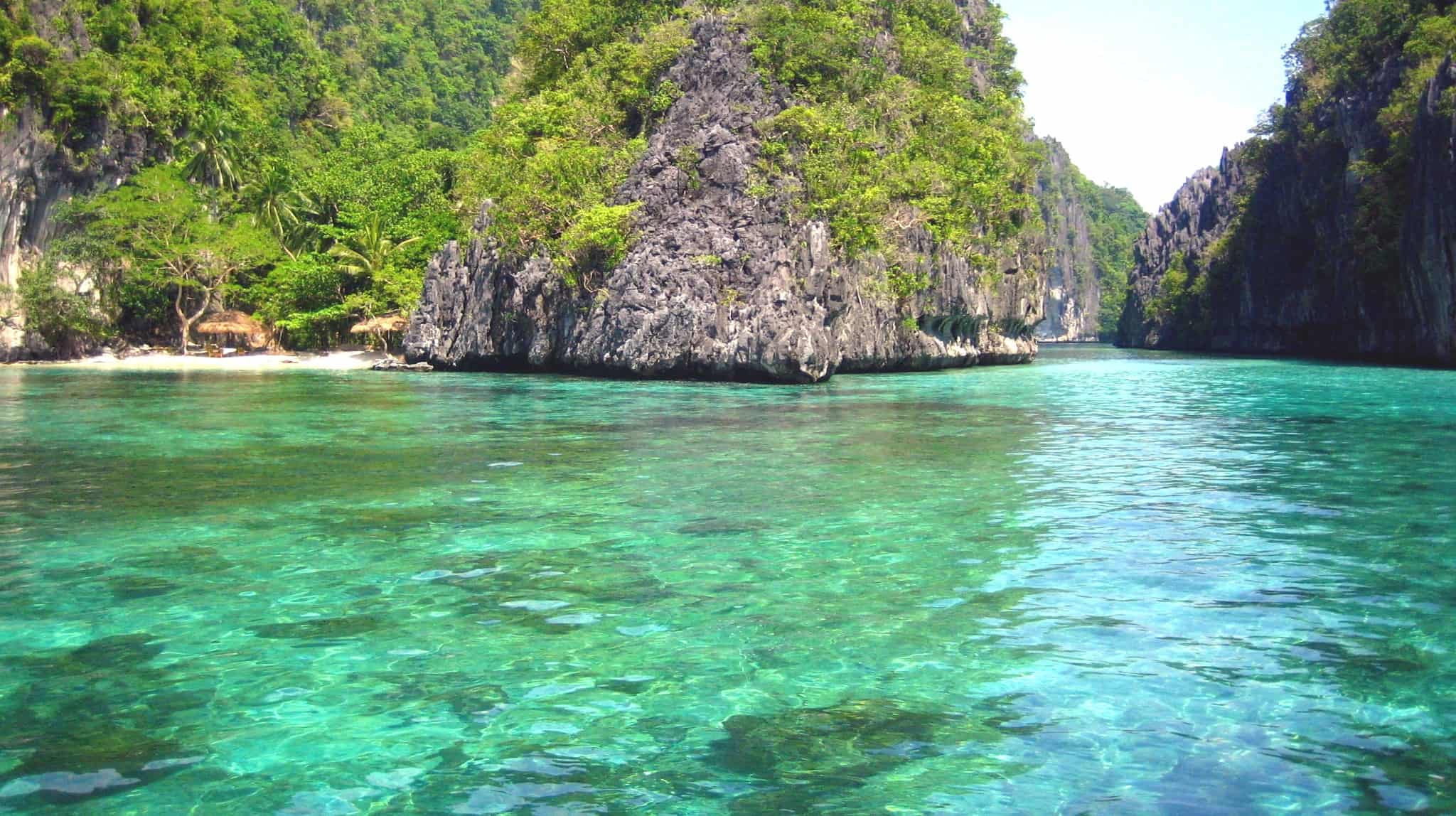
Philippines Photos
Scuba diving
You will find all information about sea life, best time to visit, top dive spots, etc. in our review: Philippines Diving

Diving Reviews for this region

Subic Bay
Historic wrecks and lively reef alternatives within reach of Manila and Clark. Depth, visibility and harbour permissions shape each dive.

Donsol
Seasonal whale-shark snorkelling in Donsol Bay, with separate scuba trips towards Ticao and Manta Bowl. Wildlife encounters and offshore departures depend on conditions.

Puerto Galera
Great spot for Macro Underwater Photography, to take a diving course and for amazing Drift Diving.

Anilao, Batangas
A favourite for macro photographers, with critter-rich slopes, colourful reefs and boat dives around the Mabini peninsula. Site choice and sea conditions shape each day.

Boracay Island
Great place to learn Scuba Diving or to take courses. Some interesting and challenging dive sites and good macro photography opportunities.

Bohol Island
Balicasag turtles and walls, Panglao reef dives, Cabilao sea fans and Anda macro life: Bohol rewards choosing a base that matches the diving you enjoy.

Coron, Palawan
One of the Best places in the World for Wreck Diving!!! Also very interesting lake diving all within a superb tropical scenery setting... ahh bliss!

Malapascua Island
Thresher sharks at Kimud Shoal, Gato reef dives and Malapascua’s tiny macro creatures: an island base with plenty to enjoy beyond the famous shark mornings.

Philippines
Thresher sharks off Malapascua, Coron wrecks, Anilao macro life and Tubbataha liveaboards: the Philippines offers very different dive holidays, depending on the island and season.
Liveaboard Reviews in Philippines
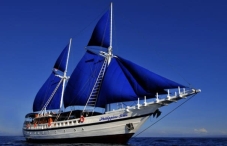
SY Philippine Siren
Philippine Siren photographs: LiveAboard.com gallery. Selected November 2026; capture dates not supplied.
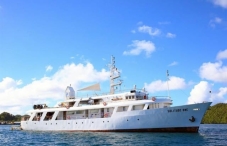
MV Solitude One
Photos: Solitude One gallery on LiveAboard.com, selected November 2026. Photo capture dates are not supplied.
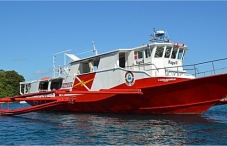
Rags II
Historical photographs retained from Divezone’s Rags II archive; they do not establish current condition or sailing availability.

MV Discovery Palawan
Historical vessel photographs; these images do not establish the boat’s present condition.
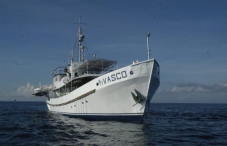
MY Vasco
Same-vessel photographs from the Resolute gallery on LiveAboard.com, selected November 2026; these are not dated Vasco-era photographs.
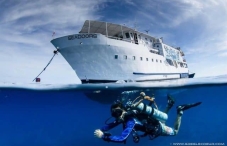
Seadoors
Seadoors takes up to 16 guests around the Philippines, with eight en-suite cabins and a day shaped by diving, shared meals and time out on deck. The 25-metre boat combines a sociable outdoor dining area with an air-conditioned lounge: somewhere to comp
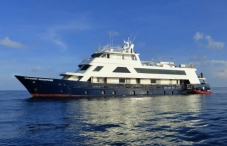
MV Discovery Adventure
Historical vessel photographs; these images do not establish the boat’s present condition.
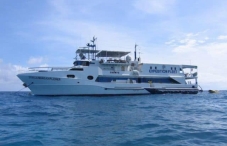
MY Stella Maris Explorer
Photos: Stella Maris Explorer gallery on LiveAboard.com, selected November 2026; capture dates are not verified.

MV Eco Explorer
Historical Eco Explorer photographs from Divezone’s archive and Expedition Fleet’s vessel gallery; present condition is unverified.

MY Infiniti
Photos: Infiniti gallery on LiveAboard.com, selected November 2026. Photograph capture dates are not supplied.
Hi, I would like to borrow your Philippine map for my article, thanks! Full credits will be given to you.