
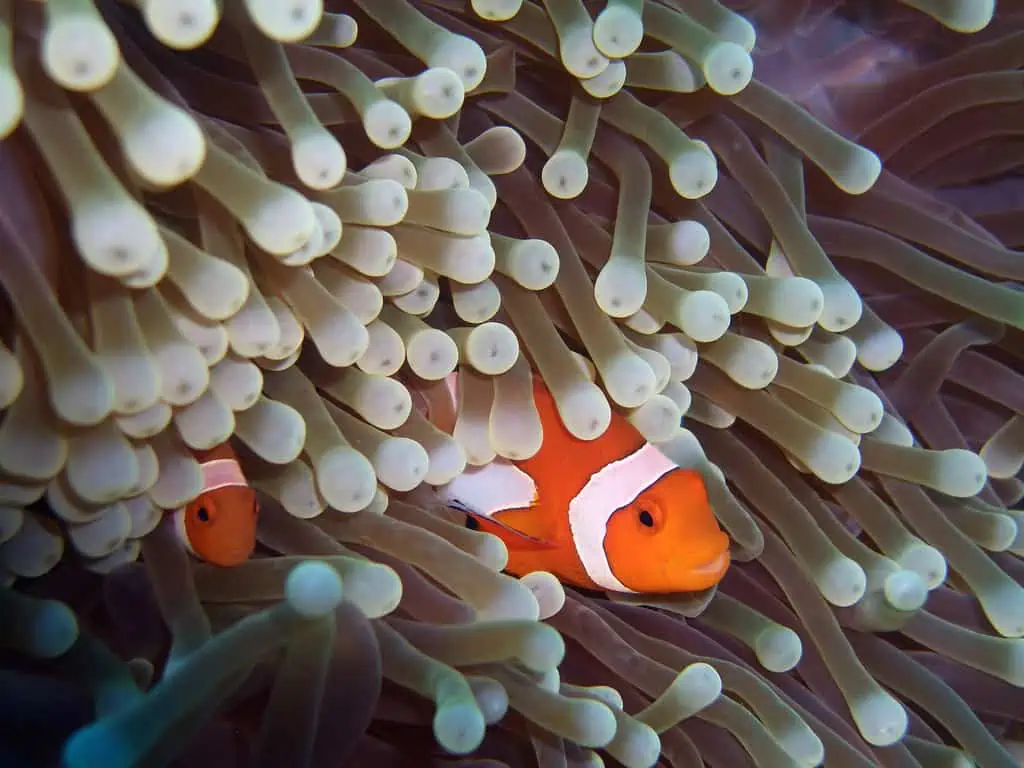
A trip to Thailand can be a lovely mixture of island life, colourful reefs, markets and long conversations over a good meal. The useful first decision is which coast fits your diving plans. The Andaman Sea lies on the west coast; Koh Tao, Koh Phangan and Koh Samui are in the Gulf of Thailand, with a different weather pattern.
For a short holiday, one coastal base usually leaves more time underwater than a dash between both sides of the peninsula. Khao Lak suits northern Andaman liveaboard departures, Phuket offers a broad choice of day boats and onward connections, and Koh Tao brings dive schools and island life together.

In this page you will find practical information to plan a scuba diving trip to Thailand:
Table of contents
Where to stay?
I usually use this website to book in advance my hotels in Thailand as they usually have the lowest rates I find. I like it because it's free to cancel and change the dates.
Khao Lak
A useful base before a northern Andaman liveaboard, especially when the confirmed departure is from the Thap Lamu area. The hotel’s pickup eligibility matters more than being directly on the beach for a one-night pre-trip stop.
Phuket and Krabi
Phuket suits travellers wanting plenty of dining and land-based options alongside diving. Krabi and Ao Nang make a different mainland base for the islands nearby. Road transfers can be longer than a map suggests, so a hotel close to the chosen operator’s pickup route can simplify early starts.
Koh Tao and neighbouring Gulf islands
Koh Tao brings dive centres, accommodation and restaurants close together, though quieter bays can involve extra transfers. Koh Samui and Koh Phangan offer alternative bases, with diving schedules and travel times that differ from staying on Koh Tao itself.
Room prices vary greatly by season, location and cancellation conditions. Older fixed baht ranges are not useful quotes for a current booking; the total including transfers is the better comparison.
Activities and excursions in Thailand
Non-diving days are part of the appeal: local food markets, coastal walks, kayaking and time in a quiet bay can give a trip a completely different pace. Phuket and Krabi offer more land-based variety than a remote offshore itinerary. In the Surin Islands, community-led cultural visits may be available when park access and the day’s programme allow.
A non-diving companion on a liveaboard needs a boat-specific answer about snorkelling supervision, shore visits, available equipment and the fare. A dive boat passing a beautiful island does not automatically mean passengers can land there. For couples with different plans, a shore-based stay often offers more independence.
Travelling with a non-diving partner
There is no Thailand-wide rule or discount for non-divers on scuba boats. As one documented example, South Siam’s published one-night fare is THB 10,900 per non-diver sharing, before park fees, for the 2026–2027 programme checked on 17 November 2026. The South Siam 3 profile explains its offshore joining arrangements and shared bathrooms; the exact date, passenger acceptance and complete charges still need confirmation.
Permission to travel is only part of the decision. Snorkelling supervision, suitable stops, tender access and permitted landings vary, and an offshore dive pinnacle may offer little for a snorkeller. A dedicated snorkelling outing or a hotel base with separate daytime plans can suit a mixed couple better than a diving-led cruise. The liveaboard guide compares these choices.

Best time to visit Thailand
Thailand’s two coasts do not share one neat “best season”. On the Andaman side, the main offshore diving season generally runs from around mid-October to mid-May, subject to park opening decisions and weather. Similan National Park reopened on 15 October 2026. December onward often brings more settled conditions, although no month guarantees a smooth crossing.
The southwest monsoon usually affects Thailand from about mid-May to mid-October. The northeast monsoon can bring substantial rain to the southern Gulf coast later in the year, including November and December. Koh Tao’s calendar therefore differs from Khao Lak’s; current marine forecasts remain more useful for a particular crossing than a countrywide sunshine chart.
Light clothing works well at sea level, with an extra layer for air-conditioned transport or higher ground. Temple visits call for clothing covering shoulders and knees. Rain can be prolonged: the old promise that showers always finish within two hours does not hold up.
Health and Safety
Travel-health preparation depends on your route, medical history and activities. Routine vaccinations, mosquito-bite precautions and any additional vaccines or malaria advice are best discussed with a qualified travel-health professional. Thailand has no local yellow-fever transmission risk, but an entry certificate can be required after travel or certain transits through a risk country.
TravelHealthPro’s Thailand guidance covers these distinctions. Current UK travel health advice also explains healthcare and medication considerations. Insurance needs to cover the diving you actually plan to do, including depth limits, emergency treatment and evacuation where applicable.
Flying after diving
For symptom-free divers, DAN recommends a minimum 12-hour surface interval after a single no-decompression dive, and 18 hours after multiple dives or several diving days. Dives requiring mandatory decompression need a substantially longer interval. These are minimum risk-reduction guidelines, not a guarantee. A full non-diving day before flying is a convenient planning buffer after a liveaboard; the dive operator and your individual circumstances may call for more.
DAN flying-after-diving guidance
On land, unfamiliar traffic and scooters deserve the same attention as conditions at sea. A licensed driver, suitable helmet and insurance valid for the vehicle and activity matter; a rental shop handing over keys does not establish legal or insurance eligibility.
If you are planning an upcoming dive trip or travelling to Thailand, it is a really good idea to invest in travel insurance for scuba diving, because you never know what could happen and when you might need it (because accidents do happen!). I recommend this diving insurance as they offer worldwide coverage and focus on providing scuba divers a quality insurance and medical assistance service.
Where is Thailand located in the world?
The easiest arrival point depends on the island or boat you have chosen. A flight into Bangkok can work well for a longer journey, while Phuket or Krabi may save an extra domestic leg for an Andaman holiday. Flight availability and baggage allowances vary by airline and departure city.
How to get to Thailand?
Andaman arrivals
Phuket airport is a practical gateway for Phuket-based diving and road transfers to Khao Lak. Krabi is useful for Ao Nang and onward island transfers. A liveaboard advertised as departing “Phuket” may include a road transfer to another harbour: the actual pier, pickup area and boarding time matter more than the headline destination.
Gulf island arrivals
Koh Tao has no airport. The journey combines a ferry with a flight, train or road connection. Chumphon and Surat Thani/Donsak are mainland gateways; Koh Samui is another useful connection when flights and ferries line up.
Lomprayah’s current routes and timetables cover several of these connections. Different services use different piers, and a flight arrival is not the same as being ready to board a ferry. An overnight buffer before a liveaboard departure is often worth more than an ambitious same-day connection.
Do I need a visa for Thailand?
Entry information checked on 12 November 2026. Visa exemption depends on nationality, passport type and purpose of travel. Thailand changed its exemption arrangements in September 2026; older advice promising 60 days to everyone on a former eligibility list is not a reliable planning basis. The Thai embassy in Seoul currently lists a 30-day scheme for eligible passports. The permission stamped on arrival determines the authorised stay.
Current Thai embassy visa-exemption information provides the eligibility details; the Thai embassy responsible for your place of residence can confirm the route appropriate to your passport.
Most non-Thai arrivals must also complete the free Thailand Digital Arrival Card within the three days before arrival. The TDAC is an arrival form, not a visa. The official instructions explain the exceptions, including certain transit passengers.
Official TDAC instructions · Entry guidance for French passport holders

Getting Around
Domestic flights, trains, buses and ferries make a multi-stop trip possible, but the last connection to a pier is easy to underestimate. Rail journeys to the southern mainland still need a road and, for islands, a ferry connection. Phuket and Krabi are not reached by a direct passenger train.
A rhythm that works for a diving holiday
A mainland arrival night, an island or liveaboard stay, and a final night near the departure airport make a forgiving itinerary. After a multi-day dive trip, that final night also helps create a flying-after-diving interval. Moving between the Andaman and Gulf coasts is best treated as a travel day, rather than squeezed between two dive bookings.
Ferry departures can change with sea conditions. Separate tickets do not necessarily protect a missed connection, so the operator’s check-in instructions, baggage rules and cancellation terms deserve a place alongside the timetable.
Three routes, with different arrival plans
The map compares a northern Andaman cruise, a southern Andaman cruise and a Koh Tao day trip. Phuket Airport is a common Andaman gateway, followed by a road transfer to the confirmed pier. Koh Tao has no airport and requires a separate ferry connection. Gateway pins show regional starting areas, not airport-to-pier directions or a confirmed boarding berth.
Three different Thai diving journeys
A northern cruise, a southern cruise and a Gulf day trip are separate holiday choices. These operator examples connect regional stops in travel order; they are not navigation tracks, dive-entry coordinates or a promise of access. The southern Phuket and Koh Tao pins indicate gateway areas, not confirmed boarding piers.
Full descriptions remain available below if the map cannot load.
Northern Andaman · four-night example
The Junk’s Thap Lamu programme reaches the Similans and the northern pinnacles. Some departures use another joining port; the confirmed instructions determine the transfer.
- 1 · Thap Lamu, boarding.
- 2 · Similan island group.
- 3 · Koh Bon and 4 · Koh Tachai.
- 5 · Surin Islands and 6 · Richelieu Rock.
- 7 · Khao Lak coastal wreck area, then 1 · Thap Lamu.
The Junk operator programme · checked 12 November 2026. The wreck pin represents an area, not a guaranteed wreck stop.
Southern Andaman · four-night regional example
Deep Andaman Queen’s published Southern–Lipe example links the Phuket gateway with Koh Haa, the Lipe area and the southern pinnacles. The map groups nearby sites into regions. The operator’s page has inconsistent dive totals, so the number of dives and actual port need confirmation for the selected departure.
- 8 · Southern Phuket gateway area: airport pickup and boarding arrangements.
- 9 · Koh Haa, continuing towards 10 · the Lipe-area sites.
- 10 · Koh Lipe and surrounding diving.
- 11 · Hin Daeng–Hin Muang region, returning via 9 · Koh Haa.
- 12 · Bida islands / Phi Phi, with other final dives selected by the operator, then 8 · the Phuket gateway.
Deep Andaman Queen southern programme · checked 12 November 2026. Actual sites and order depend on conditions.
Gulf of Thailand · Sail Rock day trip
Big Blue’s Koh Tao example includes two Sail Rock dives followed by Shark Island. It returns to the island that evening and is a separate journey from an Andaman liveaboard.
- 13 · Koh Tao: departure arrangements with the dive centre.
- 14 · Sail Rock: two planned dives.
- 15 · Shark Island: third planned dive.
- 13 · Koh Tao: return.
Big Blue day-trip programme · checked 12 November 2026. Offshore conditions can change the plan.
Location references include PADI Sail Rock · PADI Shark Island · PADI Koh Haa · PADI Bida Nok. These are planning references, not underwater guidance.
Where the dive sites sit
These site references help place a diving programme geographically. They do not establish a snorkelling stop, beach landing or public ferry connection.
Sites to put the geography in perspective
This site map is separate from the cruise examples above. Locations are surface planning references, not entry points or a guide for use underwater. Access, depth and the route around a site belong to the current local briefing. Koh Bon lies beyond the main Similan island group; Richelieu Rock is in the Surin park.
The linked site descriptions remain available if the map cannot load.
1 · Christmas Point
Granite formations near the north-west of island 9; exposed conditions can change the plan.
Location reference · checked 12 November 2026
2 · Deep Six
Boulders off the northern end of island 7, with deeper sections and current.
Location reference · checked 12 November 2026
3 · West of Eden
Reef and boulder scenery on island 7’s western side.
Location reference · checked 12 November 2026
4 · Koh Bon
A separate northern stop beyond the Similan island group; the pin represents the main ridge area.
Location reference · checked 12 November 2026
5 · Richelieu Rock
An offshore pinnacle in the Surin park, reached on selected northern programmes.
Location reference · checked 12 November 2026
6 · Koh Haa Lagoon
A southern Andaman island-group stop; calm-looking surface conditions do not determine the dive plan.
Location reference · checked 12 November 2026
7 · Koh Bida Nok
A limestone island at the southern end of the Phi Phi group.
Location reference · checked 12 November 2026
8 · Shark Island
A surface-breaking pinnacle off southern Koh Tao, in the Gulf of Thailand.
Location reference · checked 12 November 2026
Thailand travel questions
Is one week enough for both coasts?
It is possible to move between them, but one coast usually makes a more relaxed week, especially with diving and a flight home. A transfer day and the no-fly interval quickly use up spare time.
Can a ferry transfer follow a late flight arrival?
Only when the actual schedule, pier transfer and check-in deadline work together. An overnight stop is a more resilient choice before a fixed liveaboard departure.
Does a non-diver need to join the liveaboard?
No. A shore-based holiday can let one person dive while the other explores independently. On a liveaboard, snorkelling and shore activities depend on the particular itinerary and supervision available.
Share your Thailand experience
Weather and park information
Tourism Authority of Thailand: October 2026 reopening · Thailand’s monsoon patterns
Thailand Photos
-
 Fishes Black EyesPhoto by Jihye Lee
-
 Eel Hiding In Sea FloorPhoto by Rich Guest
-
 Seahorse Backlit SunPhoto by Rich Guest
-
 Yellow Line FishesPhoto by Jihye Lee
-
 Mandarin Fish Resting In ReefPhoto by Rich Guest
-
 Unicorn FishPhoto by Rich Guest
-
 Blue Spotted RayPhoto by Jihye Lee
-
 Blue-ringed OctopusPhoto by Rich Guest
-
 Orange FrogfishPhoto by Rich Guest
-
 White Nudibranch Reef Koh Lanta ReefPhoto by Rich Guest
Scuba diving
You will find all information about sea life, best time to visit, top dive spots, etc. in our review: Thailand Diving

Diving Reviews for this region
Khao Lak
A mainland base for northern Andaman liveaboards, island day trips and fish-filled local wrecks. The best choice depends on your experience, crossing time and the actual departure programme.

Surin Islands
Island reefs and the offshore spectacle of Richelieu Rock, with day-trip and liveaboard options. Surin snorkelling and a pinnacle dive are different experiences with different requirements.
Similan Islands
Granite boulder dives, reef photography and northern Andaman liveaboards. Day boats also visit the Similans; route choice, current and park access determine the right trip.

Phuket
Racha reef days, offshore wrecks and longer Andaman trips: Phuket offers several ways to dive, with the right choice depending on experience, season and time aboard.
Koh Phi Phi
An island base for Bida reefs, limestone walls and local dive trips, with courses and varied reef life close to Phi Phi Don.
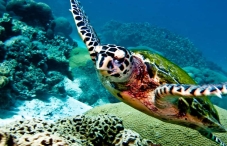
Koh Lanta
Offshore reefs, island day trips and a relaxed beach base, with the right route matched to experience and season.
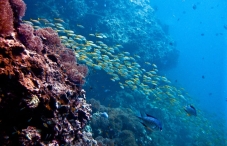
Koh Tao
An island base for learning, reef days and offshore pinnacles, with year-round diving shaped by Gulf weather.
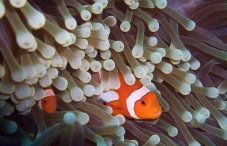
Thailand
Two coasts, very different dive holidays: Andaman liveaboards and limestone islands, or Gulf reefs and Koh Tao dive schools. Season, experience and the actual itinerary make the difference.
Liveaboard Reviews in Thailand
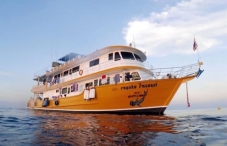
Gentle Giant
Gentle Giant makes room for both halves of Thailand’s Andaman Sea. Her four-night cruises concentrate on the Similans and northern pinnacles; selected six-night journeys continue south to Koh Haa and Hin Daeng–Hin Muang. That longer trip is the interes
Sawasdee Fasai
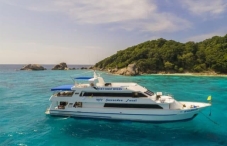
Sawasdee Fasai is a good boat for divers who like a full day underwater and room to spread out afterwards. Four nights carry the trip from the Similans’ granite scenery to the northern pinnacles, with Richelieu Rock given a full day in the sample progr
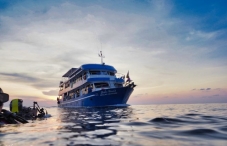
MV Smiling Seahorse
Photos: Smiling Seahorse operator gallery via LiveAboard.com.
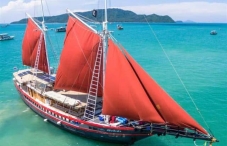
Thailand Master (The Phinisi)
Photos: Thailand Master operator gallery via LiveAboard.com.
Andaman Tritan
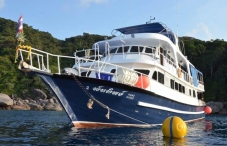
Andaman Tritan’s appeal is easy to picture: a cushioned saloon for cooling down after a dive, meals outside and a top deck with room to watch the islands slide past. Her documented cruising history includes the Similans and the waters around Tioman and

The Junk
Three masts, a wooden hull and a history that began with charcoal rather than scuba tanks: The Junk brings a little romance to a Thai diving holiday. The appeal goes well beyond a photogenic silhouette. Eighteen guests share six ensuite cabins, and the
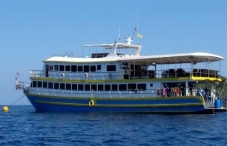
MV Oktavia
Historical Oktavia images supplied through LiveAboard.com. They do not depict a verified current Orca Oktavia configuration.
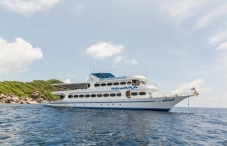
MV Pawara
Pawara photo gallery: operator imagery supplied through LiveAboard.com. The confirmed cabin allocation governs your booking.
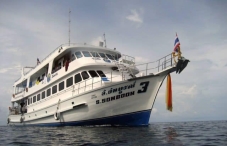
South Siam 3
South Siam 3 photographs supplied through LiveAboard.com. Cabin allocation is subject to confirmation.
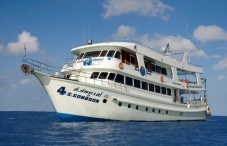
South Siam 4
South Siam 4 gallery supplied by Sunrise Divers. Cabin allocation is subject to confirmation.
If you have been to Thailand before, please share your experiences, ideas and feedback (Hotel, Excursions, General Feeling,…) in the comments section below, by doing so you will help fellow travellers to plan their next trip